
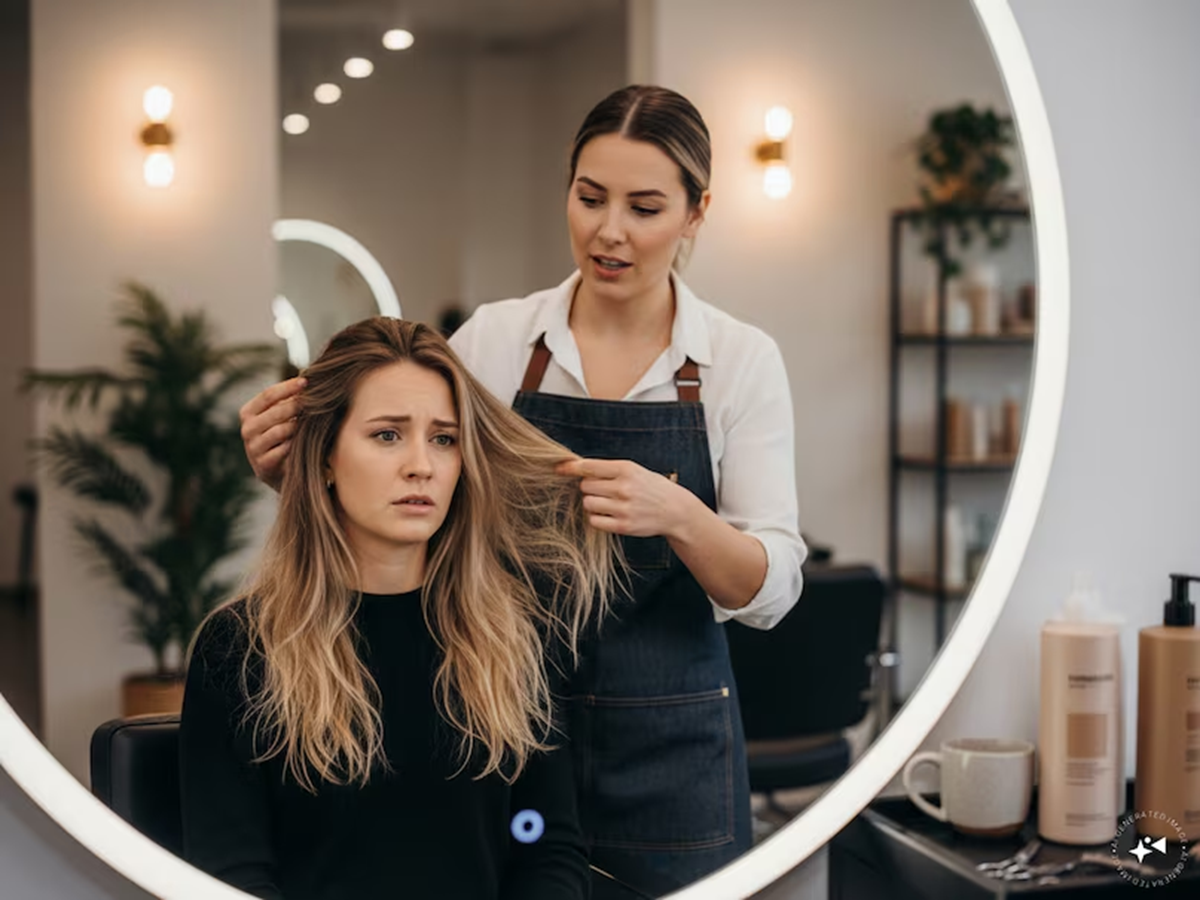
Hair Coloring Tips: Coloring one's hair is quite fashionable these days. While some people color their hair to hide gray strands, others do it to achieve a different look. However, simply buying a black hair dye and applying it isn't enough. Often, after coloring, hair can end up looking excessively dark, overly shiny, or artificial. If you are coloring your hair yourself, keep these 8 points in mind.
Choose the right shade of black: The market offers various shades, such as jet black, blue-black, brown-black, soft black, and natural black. Instead of picking just any black dye, select a shade that closely matches your hair's natural color. A very deep, jet-black shade can sometimes look artificial.
Apply Vaseline around your hairline: When coloring your hair at home, the dye can easily get onto your forehead, ears, or neck, leaving dark stains on your skin. To prevent this, apply a thin layer of Vaseline along your hairline and around your ears—just be careful not to get any on your hair. Also, wear gloves to protect your hands.
Check the ingredients: Before purchasing a hair dye, read the list of ingredients and the usage instructions on the packaging. While many people prefer ammonia-free dyes, this does not guarantee that such products are entirely free from the risk of an allergic reaction. It is crucial to mix the color and the developer in the exact proportions specified.
Don't forget to perform a patch test: Conducting a patch test before applying hair dye is essential. It helps determine whether the product causes any allergic reaction or skin irritation. Follow the instructions and the recommended duration provided on the packaging. If you experience itching, redness, swelling, or irritation, do not use that product.
Avoid applying too much color to the roots—refrain from over-applying hair color to the roots when trying to cover gray hair, as this can result in an excessively dark or uneven color. Divide your hair into small sections while applying the color to ensure an even distribution.
Do not leave the color on for longer than recommended—some people believe that leaving hair color on for an extended period will result in a deeper, darker shade, but this is not the case. Doing so can cause scalp irritation and make your hair dry. Always rinse off the color within the time frame specified on the product packaging.
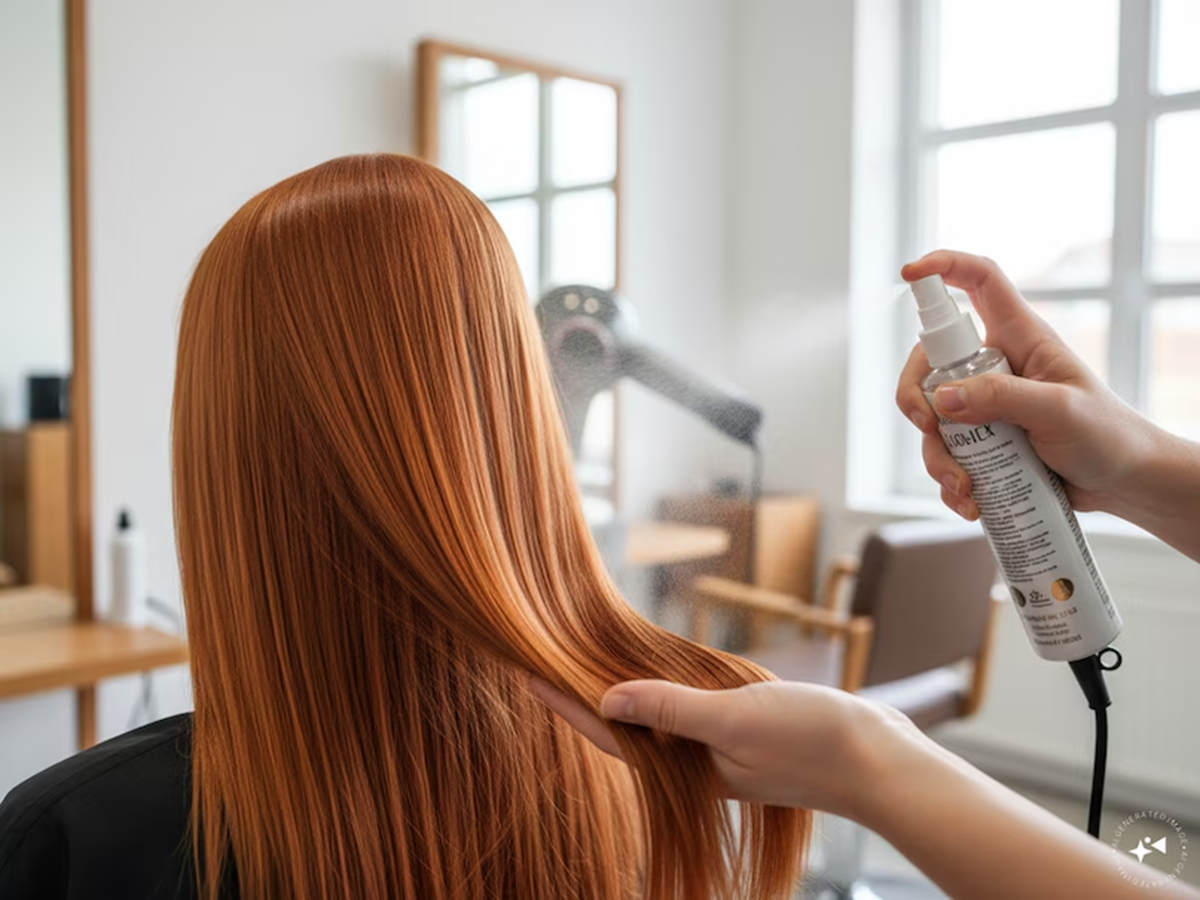
Use a hair serum or gloss—after coloring, you can use a hair serum or gloss to make your hair look smooth and shiny. A serum helps reduce frizz, while a hair gloss adds a lustrous shine. However, use these products in moderation.
Take care of your hair after coloring—colored hair requires special attention. Use shampoos and conditioners specifically formulated for color-treated hair. Avoid frequent washing and the use of high-heat styling tools. If you do use a hair dryer or straightener, remember to apply a heat protectant.
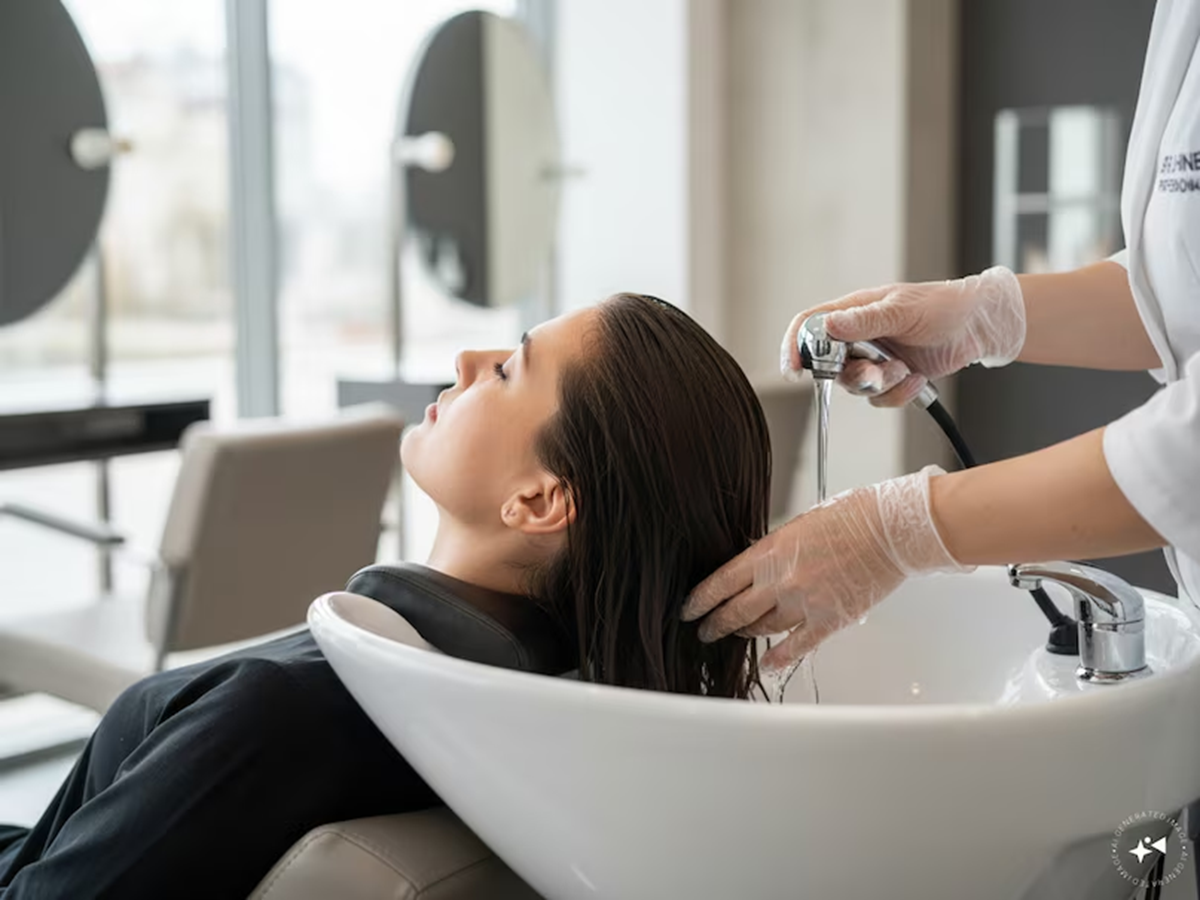
When to seek expert help—if your hair has previously undergone bleaching or other chemical treatments, consult a hair expert rather than attempting to color it at home. Achieving the right shade on hair that is already damaged or has an uneven color can be difficult. Additionally, if you experience persistent irritation, swelling, or itching after applying hair color, consult a doctor.
PC Social Media