
LIFESTYLE
Home Remedies for Loose Motions: What to do if you have diarrhea? These home remedies will come in handy..
What to Do for Loose Motions (Diarrhea): During the monsoon season, complaints of diarrhea become common due to contaminated water, stale food, bacteria, and viruses. Frequent loose stools, stomach cramps, vomiting, weakness, and dehydration are the primary symptoms of diarrhea.
If not managed properly in time, dehydration can become severe. Children, the elderly, and individuals with weak immunity need to be especially cautious.
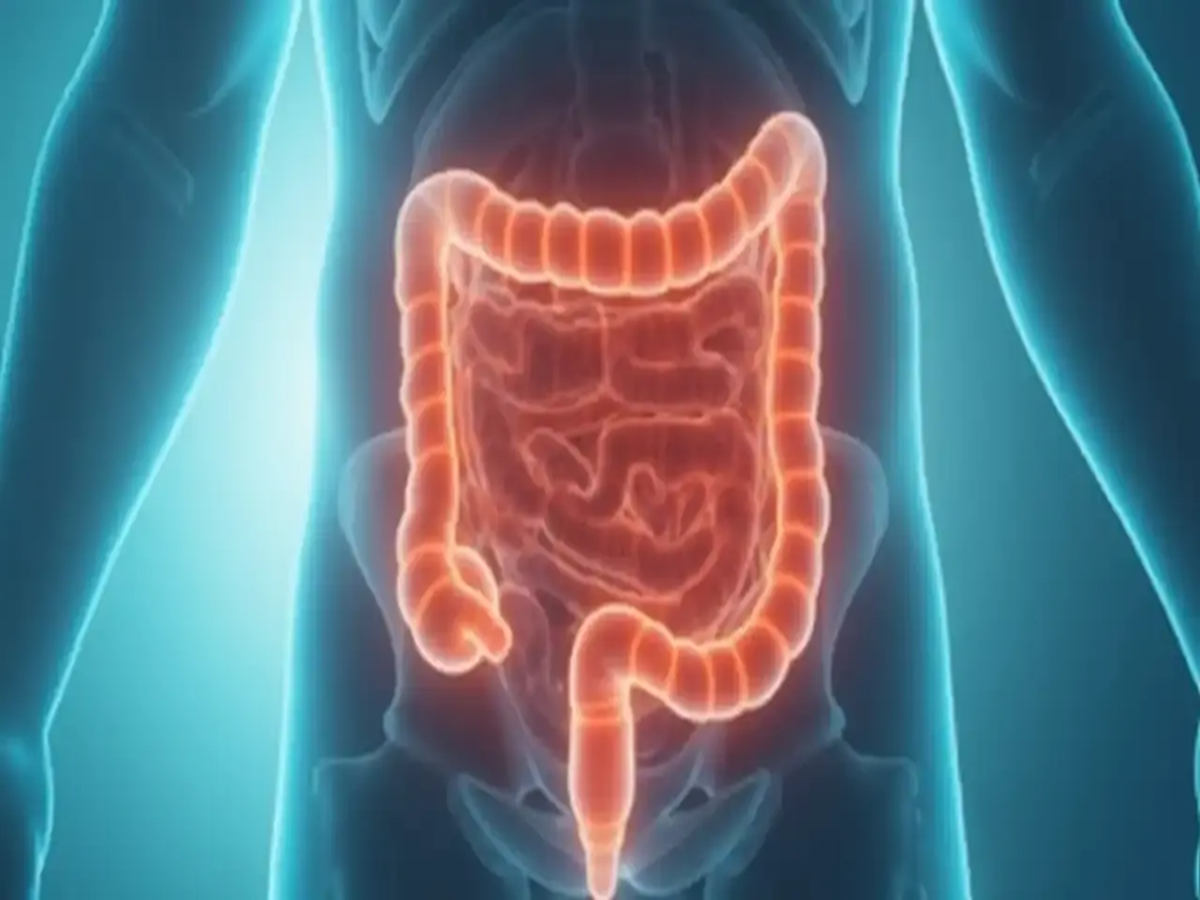
While home remedies can help in mild cases, it is essential to consult a doctor immediately if diarrhea persists or severe symptoms occur. Let us look at what should be done during diarrhea, which home remedies offer relief, and what precautions should be taken.
What to do during diarrhea? Try these simple home remedies:
1. Drink ORS solution first
During diarrhea, the body rapidly loses water and essential electrolytes. Drinking ORS solution is crucial in such situations. If ORS is unavailable, a solution can be prepared at home using clean water, salt, and sugar, following a doctor's advice.
2. Drink plenty of water
Frequent loose motions increase the risk of dehydration. Keep drinking boiled or clean water, coconut water, lemon water (with less sugar), and other safe fluids throughout the day.
3. Eat bananas
Bananas are a good source of potassium and can help maintain the body's electrolyte balance during diarrhea. They are also considered gentle on the digestive system.
4. Consume yogurt (curd)
The probiotics found in fresh yogurt can help maintain the balance of good bacteria in the intestines. Unless advised otherwise by a doctor, yogurt can be consumed in moderation.
5. Eat light and easily digestible food
During diarrhea, consume light foods such as *khichdi* (lentil and rice stew), plain rice, toast, porridge, and boiled potatoes. Avoid fried, spicy, and heavy foods.
6. Avoid eating outside food completely
During the monsoon, food sold in the open and contaminated water can increase the risk of infection. Stick to fresh, clean, home-cooked food until you have fully recovered.
7. Avoid caffeine and soft drinks
Tea, coffee, energy drinks, and cold drinks can aggravate diarrhea in some people. Instead, prioritize fluids like water and ORS.
8. Maintain hand hygiene
Wash your hands thoroughly with soap before eating and after using the toilet. This reduces the risk of spreading infection.
9. Do not take medication without a doctor's advice
Antibiotics are not required for every case of diarrhea. It is better to consult a doctor rather than self-medicating.
10. Do not ignore these symptoms
Consult a doctor immediately if diarrhea persists for more than 24–48 hours, if there is blood in the stool, high fever, persistent vomiting, or signs of dehydration (excessive thirst, dizziness, or reduced urine output).
PC Social Media