LIFESTYLE
Weather Change Alert: If there is an asthma patient at home, be sure to take these precautions when the weather changes..
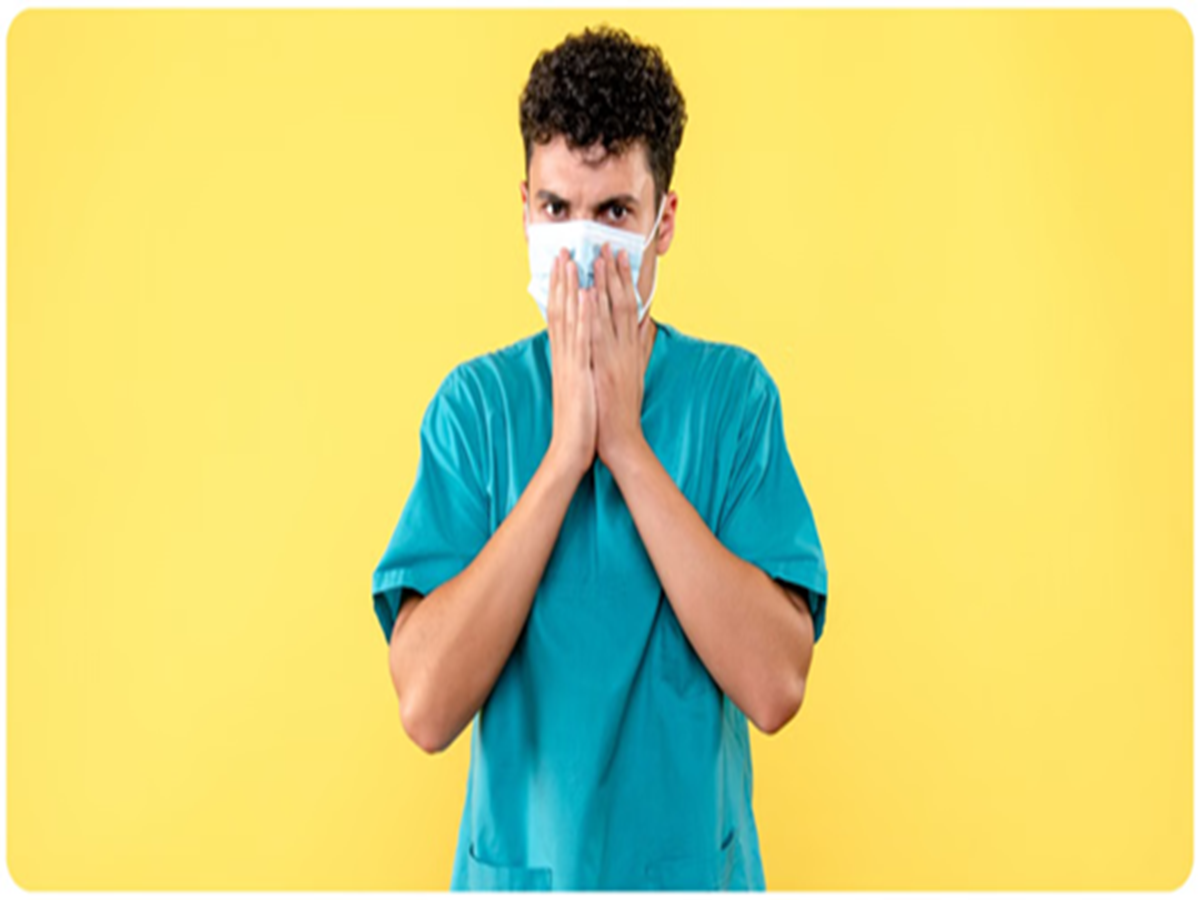
Weather Change Alert: Asthma is a respiratory condition that can worsen during changing weather. Asthma patients may experience increased breathing difficulties, coughing, chest tightness, and wheezing—especially during the monsoon, winter, or sudden weather shifts. High humidity, dust, fungus, pollen, and pollution in the air can heighten the risk of an asthma attack.

If there is an asthma patient in your home, or if you are personally managing the condition, taking specific precautions is essential. Let’s look at the key measures asthma patients should adopt during changing weather to stay healthy and avoid breathing difficulties.
1. Always carry your inhaler
The inhaler is one of the most critical medications for asthma patients. A doctor-prescribed "rescue inhaler" provides immediate relief during sudden breathlessness or an asthma attack, while a "controller inhaler" helps manage the condition over the long term. Always keep your inhaler in your bag or pocket when stepping out and periodically check its expiry date. Do not stop using the inhaler without consulting your doctor.
2. Avoid dust, smoke, and pollution
Dust, smoke, vehicle emissions, cigarette smoke, incense sticks, strong perfumes, and chemical odors are common asthma triggers. Exposure to these can cause inflammation in the airways and lead to breathing difficulties. Wear a high-quality mask when going outdoors and avoid unnecessary outings when pollution levels are high. Ensure a smoke-free environment at home.
3. Protect against humidity and fungus
During the rainy season, increased indoor humidity can lead to the rapid growth of fungus and mold on walls and around bathrooms, kitchens, and windows. Their microscopic particles mix with the air and enter the body through inhalation, which can aggravate symptoms for asthma patients. Keep your home well-ventilated, regularly clean areas prone to dampness, and use exhaust fans or dehumidifiers if necessary.
4. Clean your home regularly
Dust mites and allergy-causing particles can accumulate in household dust, carpets, curtains, pillows, mattresses, and bedsheets. These can trigger asthma attacks. Therefore, clean your home regularly, use a vacuum cleaner, and periodically wash bedsheets, pillow covers, and curtains in hot water. Prevent dust accumulation in rooms and ensure adequate ventilation.
5. Eat a nutritious diet
A balanced and nutritious diet helps strengthen the body's immune system. A diet rich in Vitamin C, Vitamin D, Omega-3 fatty acids, protein, and antioxidants can help maintain optimal lung function. Include seasonal fruits, green leafy vegetables, nuts, pulses, and plenty of water in your diet. Limit the consumption of fried and highly processed foods.

6. Protect against infections
Viral infections, the flu, the common cold, and other respiratory infections can worsen asthma symptoms. Therefore, wash your hands regularly, exercise caution in crowded places, and avoid contact with sick individuals. Get the flu vaccine or other necessary vaccinations on time if recommended by a doctor. Seek medical advice immediately upon noticing early signs of infection so that treatment can begin before the asthma condition worsens.
PC Social Media