LIFESTYLE
How many days after Raksha Bandhan can the Rakhi be removed? Find out the right time and the rules regarding the sacred thread.
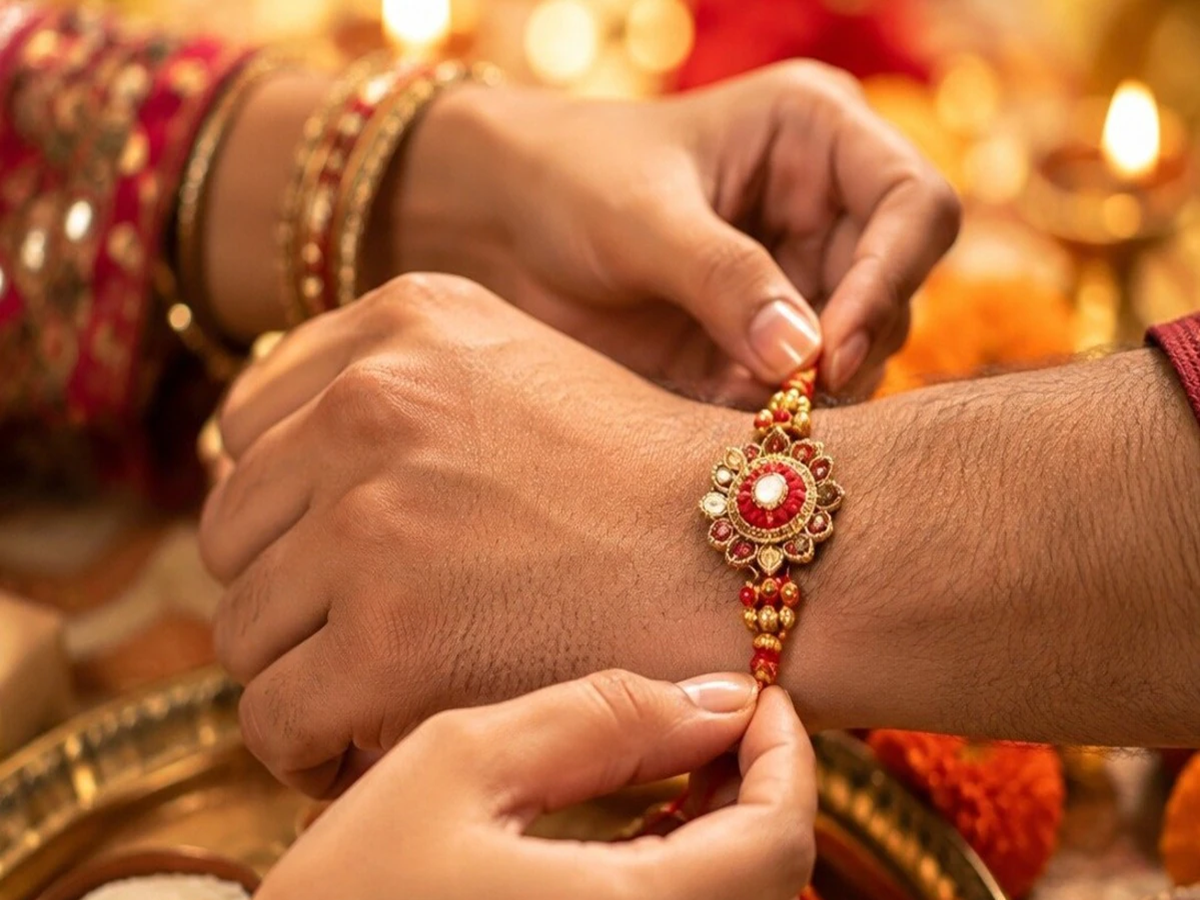
When to Remove Rakhi After Raksha Bandhan: The festival of Raksha Bandhan has been celebrated with great enthusiasm. It symbolizes the love, trust, and vow of protection shared between siblings. On this day, a sister ties a *Rakhi* (or *Raksha Sutra*) around her brother's wrist, and he pledges to protect her. While most festivals are dedicated to specific deities, this is the only one dedicated to the bond between siblings. The true essence of Raksha Bandhan lies in maintaining a relationship built on love, respect, and mutual responsibility. After the *Rakhi* is tied, many wonder how long it should remain on the wrist and what should be done with it once removed. Let us find the answers to these questions...
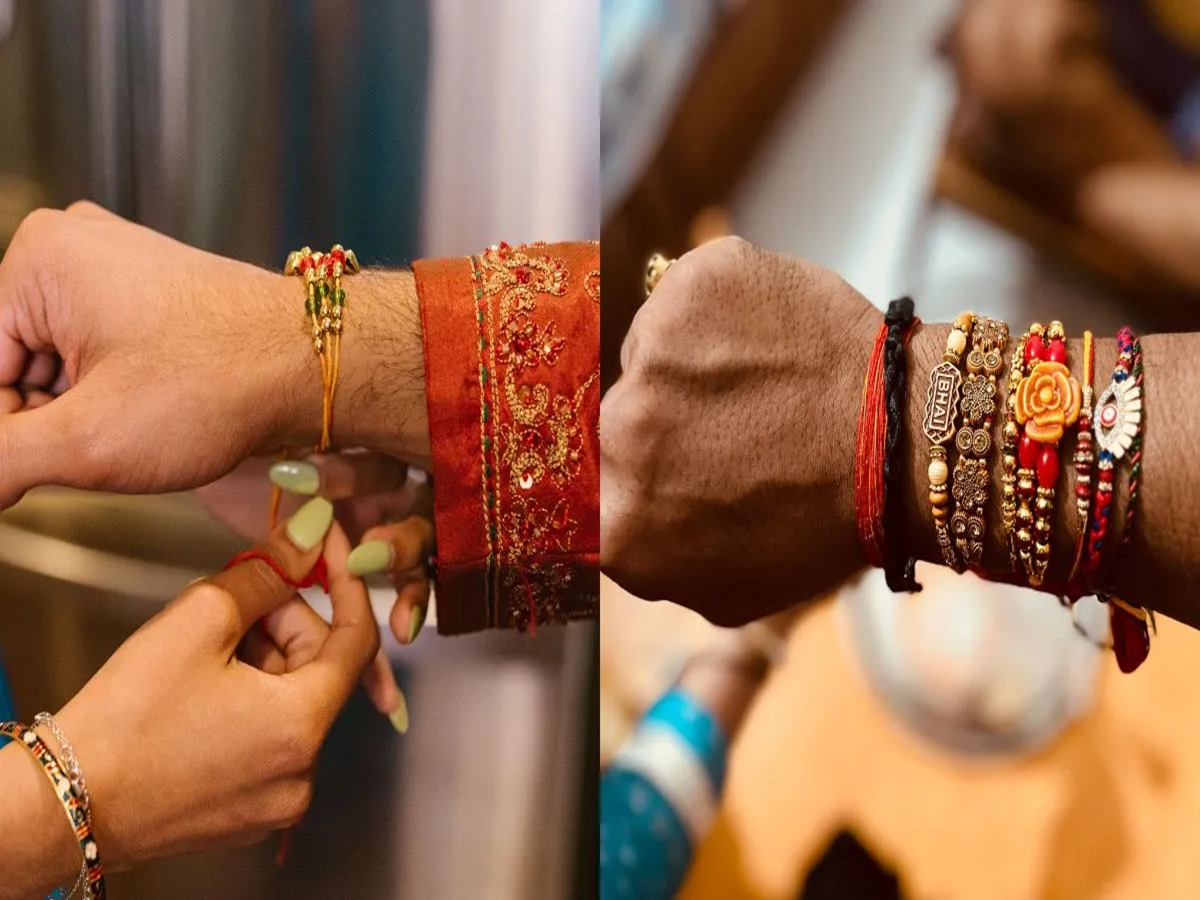
When should the *Rakhi* be removed?
Customs regarding the removal of *Rakhi* vary by region. This sacred thread is similar to the *Kalava* worn during religious rituals or prayers. Religious beliefs suggest a tradition of wearing the *Rakhi* for at least 21 days. If wearing it for 21 days proves difficult, one should keep it on until Krishna Janmashtami. However, some astrologers advise wearing it for at least 16 days—specifically from *Sawan Purnima* (the full moon of the month of Shravan) to *Bhadrapad Purnima* (the full moon of the month of Bhadrapad).
Some traditions advocate wearing the *Rakhi* until Dussehra. Many brothers keep the *Rakhi* on their wrists all year round, replacing the old one with a new one only on the following Raksha Bandhan. Additionally, days like Janmashtami and Ganesh Chaturthi are considered auspicious for removing the *Rakhi*. Ultimately, the most important factor is adhering to your family's traditions and local customs. If the *Rakhi* becomes too loose, starts to break, or interferes with daily activities, it can be respectfully removed on any of these auspicious dates.
The Proper Way to Remove the Rakhi
You may choose any auspicious date to remove the Rakhi; it should ideally be removed during the *Abhijit Muhurat* (which falls around midday) while meditating upon your chosen deity. The Rakhi is not merely a thread; it symbolizes the bond of love and the sense of responsibility shared between a brother and sister. Its significance lies in the fact that it offers an opportunity to strengthen the relationship and reminds one of their mutual duties.
What to Do After Removing the Rakhi?
It is not considered appropriate to simply discard the Rakhi haphazardly or throw it in the trash. If the Rakhi is made of natural materials and tradition permits, some families follow the custom of respectfully immersing it in a clean spot or in flowing water. However, keeping environmental concerns in mind, one should avoid immersing plastic or synthetic Rakhis in water. According to religious beliefs, you may tie it to a tree branch or wrap it in a clean cloth and place it in a sacred spot. Some people keep it safely along with their worship materials.
PC Social Media