LIFESTYLE
How should asthma patients take care of themselves during Diwali? Tips for avoiding smoke from firecrackers..

Precautions for Asthma Patients During Diwali: During Diwali, homes are lit with *diyas* (oil lamps), sweets are prepared, and fireworks are set off. However, the smoke from firecrackers and the fine particulate matter in the air can exacerbate problems for asthma patients. Exposure to strong odors, dust, and polluted air can often trigger issues such as coughing, difficulty breathing, chest tightness, and wheezing.
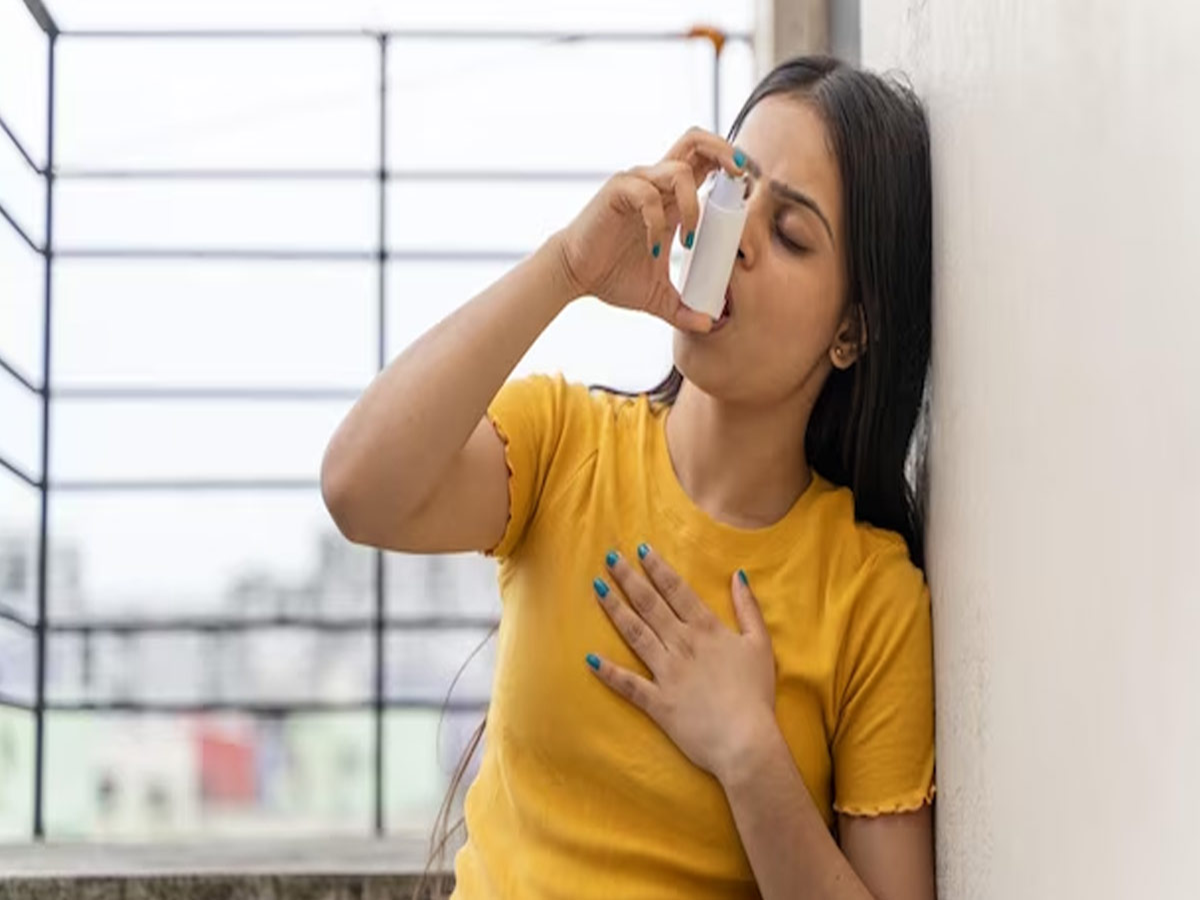
Given this, individuals living with asthma need to exercise extra caution during Diwali. Simply staying away from firecrackers is not enough; it is also important to pay attention to indoor air quality and ensure that medications are readily available.
Stay Away from Firecracker Smoke During Diwali
For asthma patients, even standing near firecrackers can lead to complications. The smoke and fine pollutants released by fireworks can irritate the airways, potentially worsening symptoms like coughing, wheezing, and shortness of breath. Therefore, it is best for asthma patients to avoid lighting firecrackers and to stay away from areas where fireworks are being set off. If firecrackers are being used nearby, ensure you stay upwind—away from the direction in which the smoke is drifting.
Pay Attention to Indoor Air Quality
While staying indoors is a sensible choice when outdoor pollution levels rise during Diwali, it is equally important to ensure that the air inside your home remains clean.
Keep windows and doors closed when outdoor smoke and pollution levels are high.
Prevent dust from accumulating indoors. Use a damp cloth for cleaning instead of a dry broom.
Avoid using incense sticks (*agarbatti*), *dhoop*, mosquito coils, or strongly scented sprays.
Ensure that no one smokes inside the house.
Allow fresh air to circulate once the outdoor air quality improves.
These simple precautions can help minimize exposure to dust and smoke within your home. Keep your medications and inhaler with you
Asthma patients should not be negligent about their medications during Diwali. Continue using the inhalers or other medicines prescribed by your doctor exactly as directed. If you use a 'reliever' inhaler, keep it with you so that it can be used immediately if needed. Do not stop taking your medication or alter the dosage without consulting your doctor. If you anticipate that smoke during Diwali might worsen your condition, consult your doctor before the festival to review your medications and emergency plan.
Check the AQI before stepping out
The AQI (Air Quality Index) indicates how clean or polluted the air is in your surroundings. Air quality can deteriorate around Diwali; therefore, check your city's AQI before leaving home. If the air quality is poor, avoid going out for walks or spending extended periods in the open. If you must step out for an essential task, consider wearing an N95 mask. However, please note that a mask is not a substitute for your inhaler or the treatment prescribed by your doctor.
What to do if breathing difficulties increase?
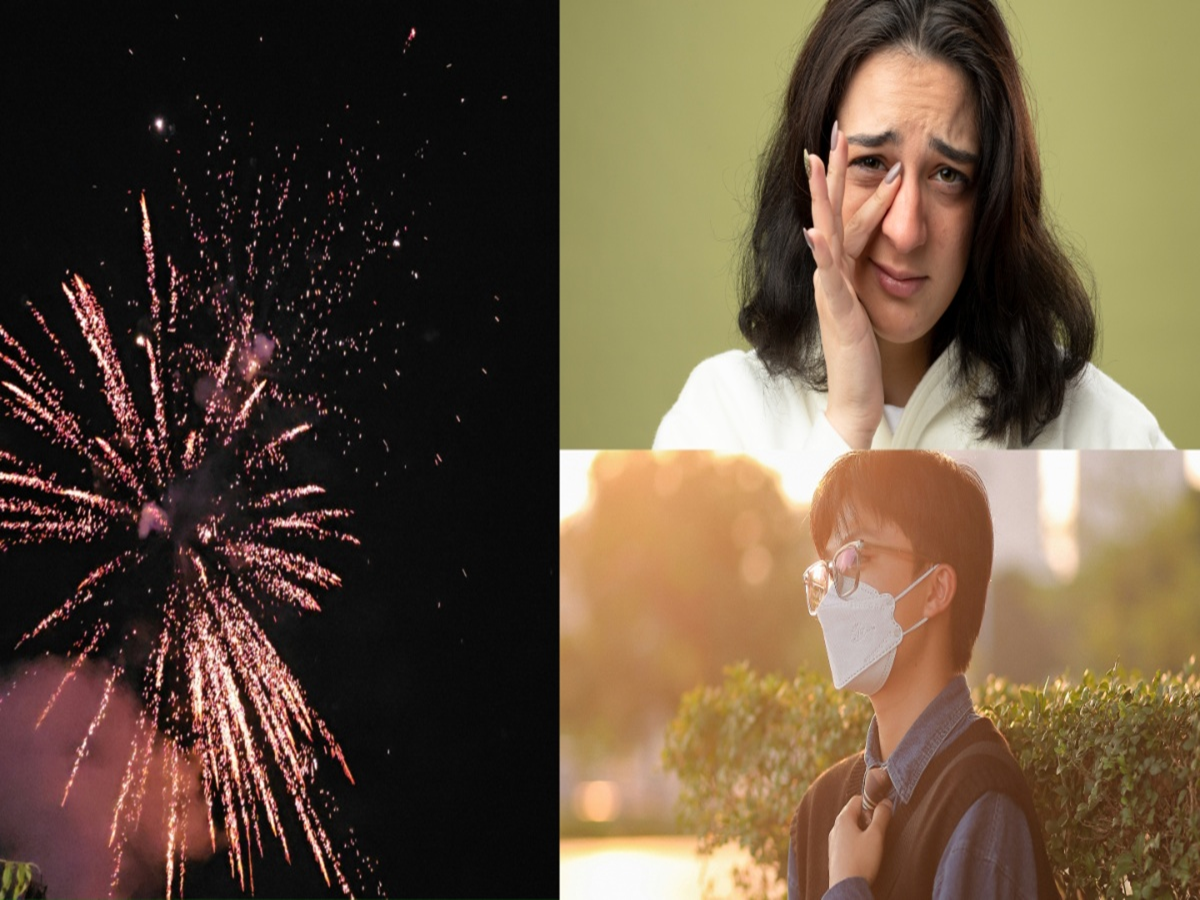
If you experience shortness of breath, chest tightness, or persistent wheezing after exposure to smoke from firecrackers, do not ignore it. Follow the 'Asthma Action Plan' provided by your doctor. If you face severe difficulty breathing, struggle to speak, or find no relief from your prescribed reliever medication, seek emergency medical assistance immediately.
PC Social Media