LIFESTYLE
Why are miniature clay houses made during Diwali? Discover the unique secret behind the figurines of the 'Seth' and 'Sethani'..
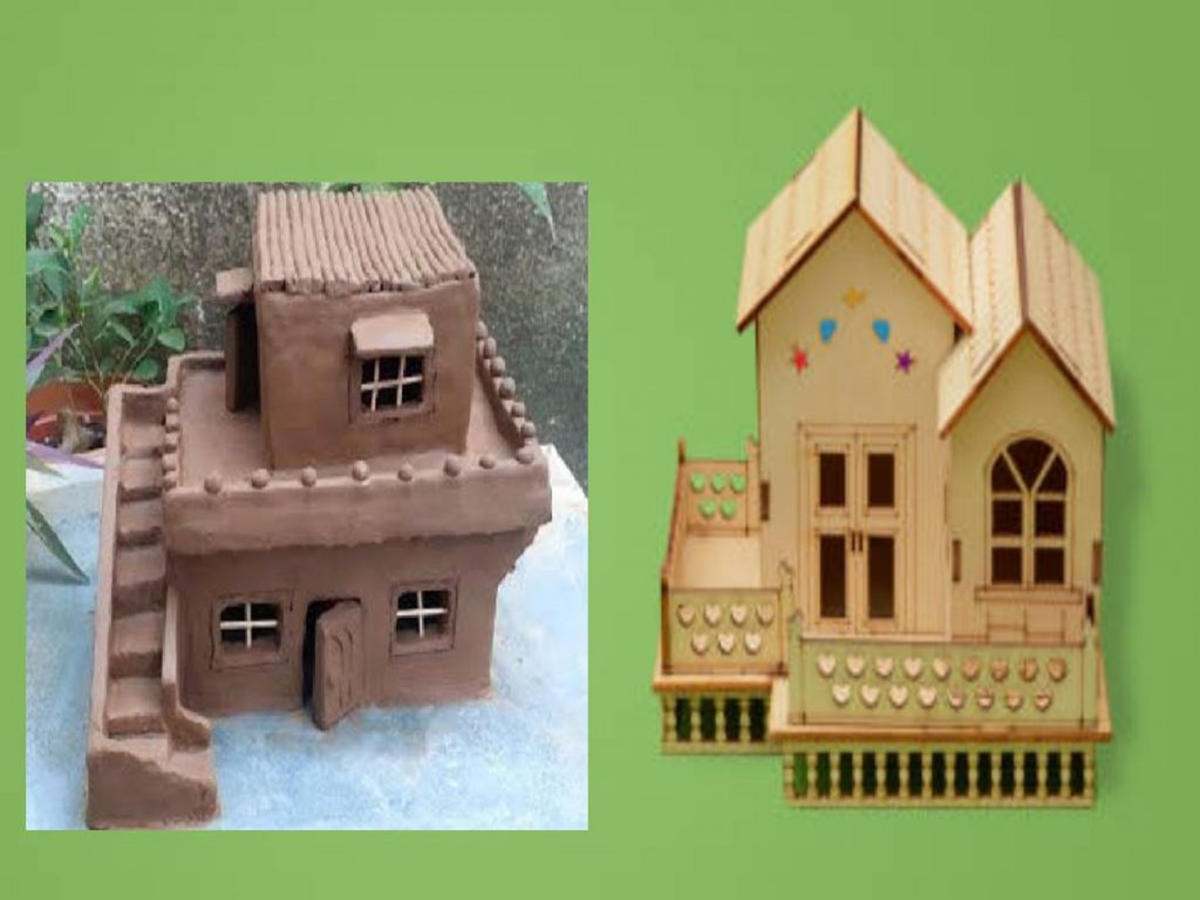
During the auspicious festival of Diwali, there is a special religious and cultural significance attached to creating a 'gharaunda' (a small, symbolic house) and placing figurines of a 'Seth-Sethani' (a merchant couple). In states like Madhya Pradesh, Bihar, Uttar Pradesh, and Jharkhand, this tradition is considered a symbol of prosperity, well-being, and abundance for the family. Learn about the significance of this beautiful folk tradition, how to create it, and the associated rituals.
Diwali is not merely a festival of lamps and fireworks; it is also a confluence of folk culture and rich traditions. In the central and northern states of India—such as Bihar, Jharkhand, Uttar Pradesh, and Madhya Pradesh—there exists a beautiful and meaningful tradition of constructing a 'gharaunda' (a small earthen house) during Diwali and placing figurines of a 'Seth-Sethani' inside it.
Religious and Cultural Significance of the 'Seth-Sethani' Figurines
Just before Diwali, one can find beautiful figurines of a 'Seth-Sethani' couple—crafted from clay and various other materials—available in the markets.
A Symbol of Prosperity and Abundance: This couple is regarded as a symbol of wealth, grain, affluence, and commercial growth. It is believed that bringing them home and placing them in the area designated for worship ensures that a household never faces a shortage of wealth or food grains.
Guardians and Other Figurines: In Gwalior and its surrounding regions, the 'Seth-Sethani' figurines are often accompanied by figures of a 'Nati' (a performer/dancer) and a 'Fauji' (a soldier). In this context, the soldier figurine is seen as a symbol of protection and guardianship for the home.
The 'Gharaunda' Tradition: Significance and Beliefs
While ready-made earthen 'gharaundas' are available in the market—which you may choose to purchase—the term 'gharaunda' itself is an affectionate, diminutive form of the word 'ghar' (home). This tradition is primarily carried out by the daughters of the household.
Inviting Goddess Lakshmi: It is believed that on the night of Diwali, Goddess Lakshmi enters only those homes that are clean and well-organized. By crafting beautiful miniature houses out of clay, daughters extend a joyful invitation to Goddess Lakshmi to grace their homes.
Lessons for Future Domestic Life: From a traditional perspective, this serves as an early, practical lesson for daughters—learned through play—on how to manage a household and care for a family effectively.
The Abode of the 'Seth' and 'Sethani': Within these miniature structures, small clay figures representing a 'Seth' (merchant/householder) and 'Sethani' (his wife) are placed, symbolizing an inexhaustible supply of food grains and success in business.
Constructing and Decorating the Miniature House
Evolution of Design: In ancient times, these structures were crafted entirely from clay and bricks. Today, people often use cardboard, thermocol, or wood to build elaborate, multi-storied, palace-like structures.
Painting and Adornment: These structures are decorated with vibrant colors, *rangoli* patterns, *diyas* (earthen lamps), and *torans* (decorative door hangings).
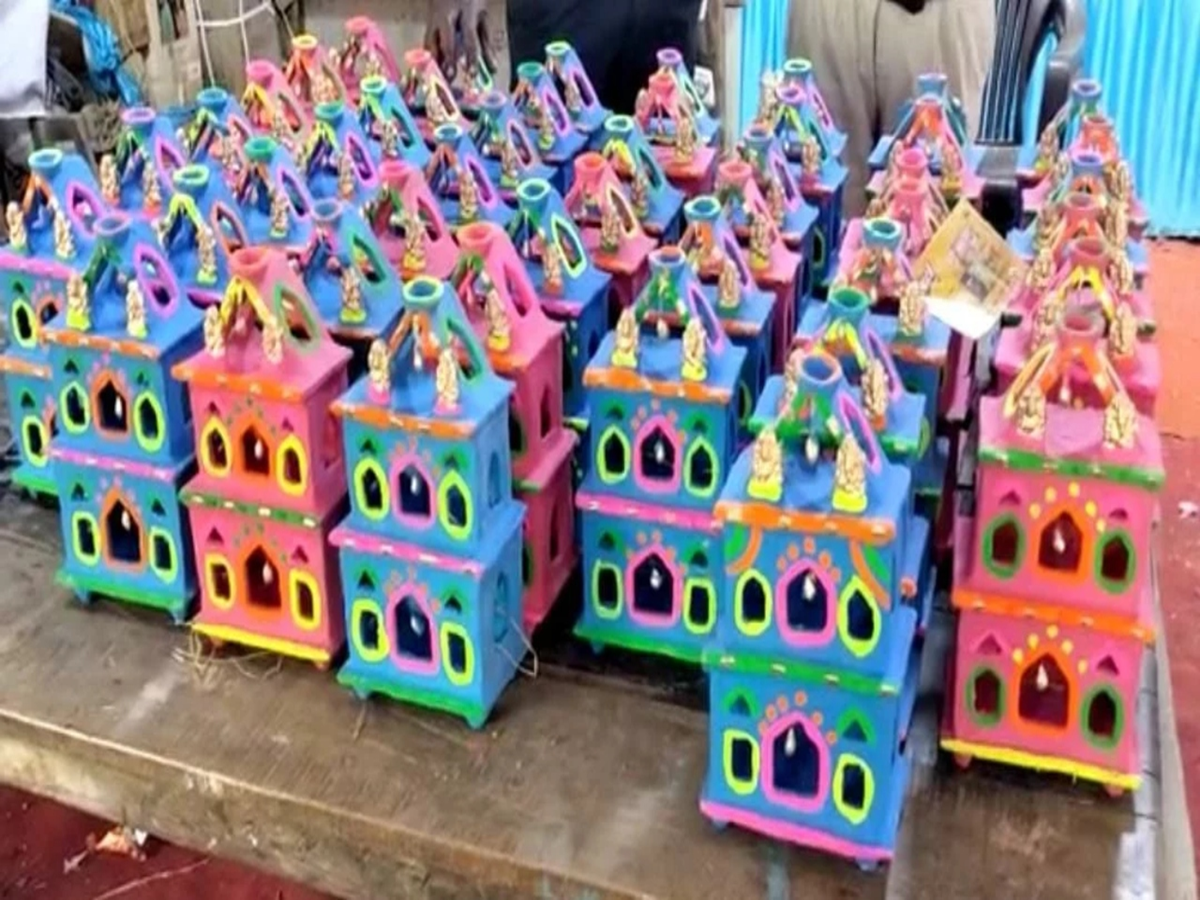
Miniature Utensils and Provisions: Inside the structure, one finds tiny clay replicas of household items such as a grinding mill, a stove, a cooking pan, a water pot, and a weighing scale. These vessels are filled with *kheel* (puffed rice), *batashe* (sugar drops), sweets, and grains—an auspicious sign that the household’s kitchen and coffers will always remain full.
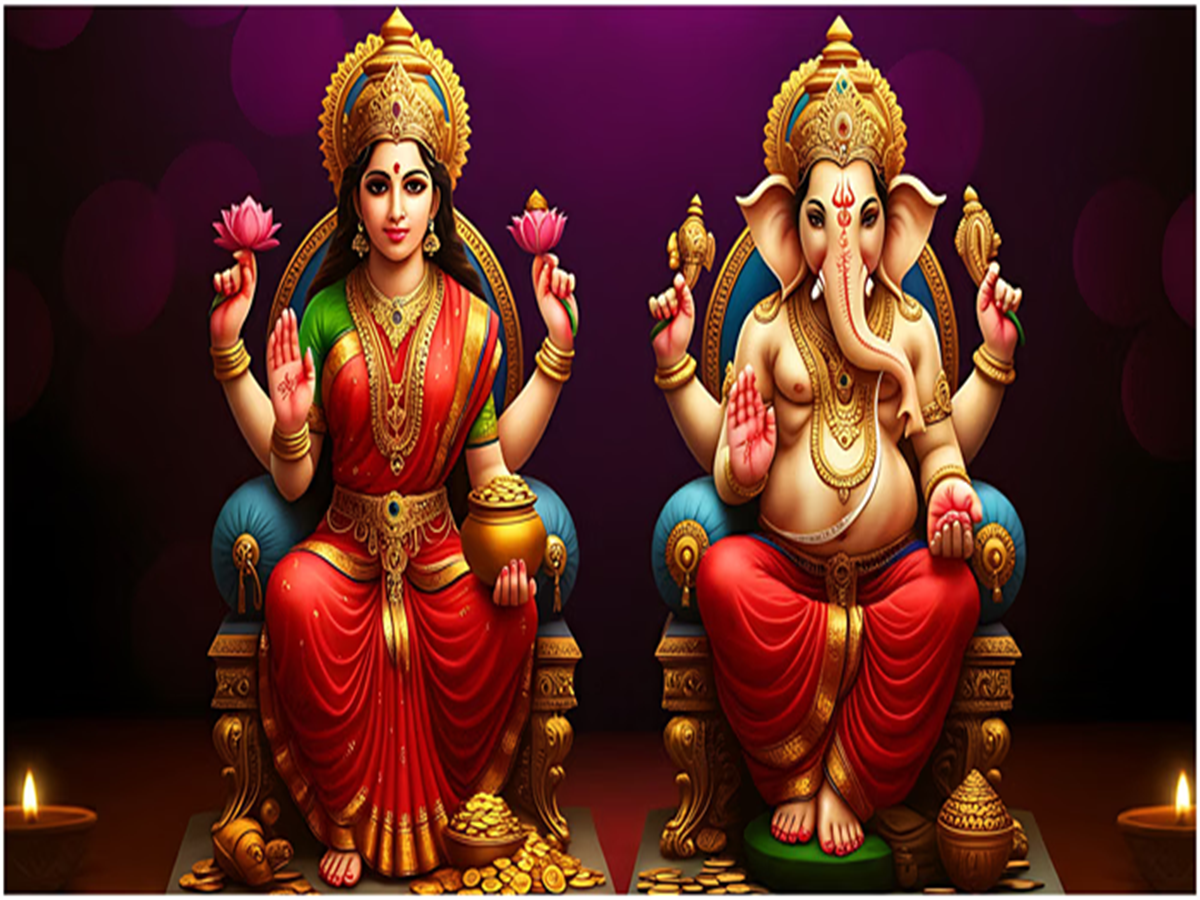
On the main evening of Diwali, alongside the grand worship of Lord Ganesha and Goddess Lakshmi, these miniature houses are also ritually worshipped. Family members come together to light the first *diya* here, offering prayers for the happiness, peace, and enduring prosperity of the entire household.
PC Social Media