LIFESTYLE
Kajari Teej 2026: Today is Kajari Teej—learn about its significance, the worship rituals, and why this festival is celebrated..
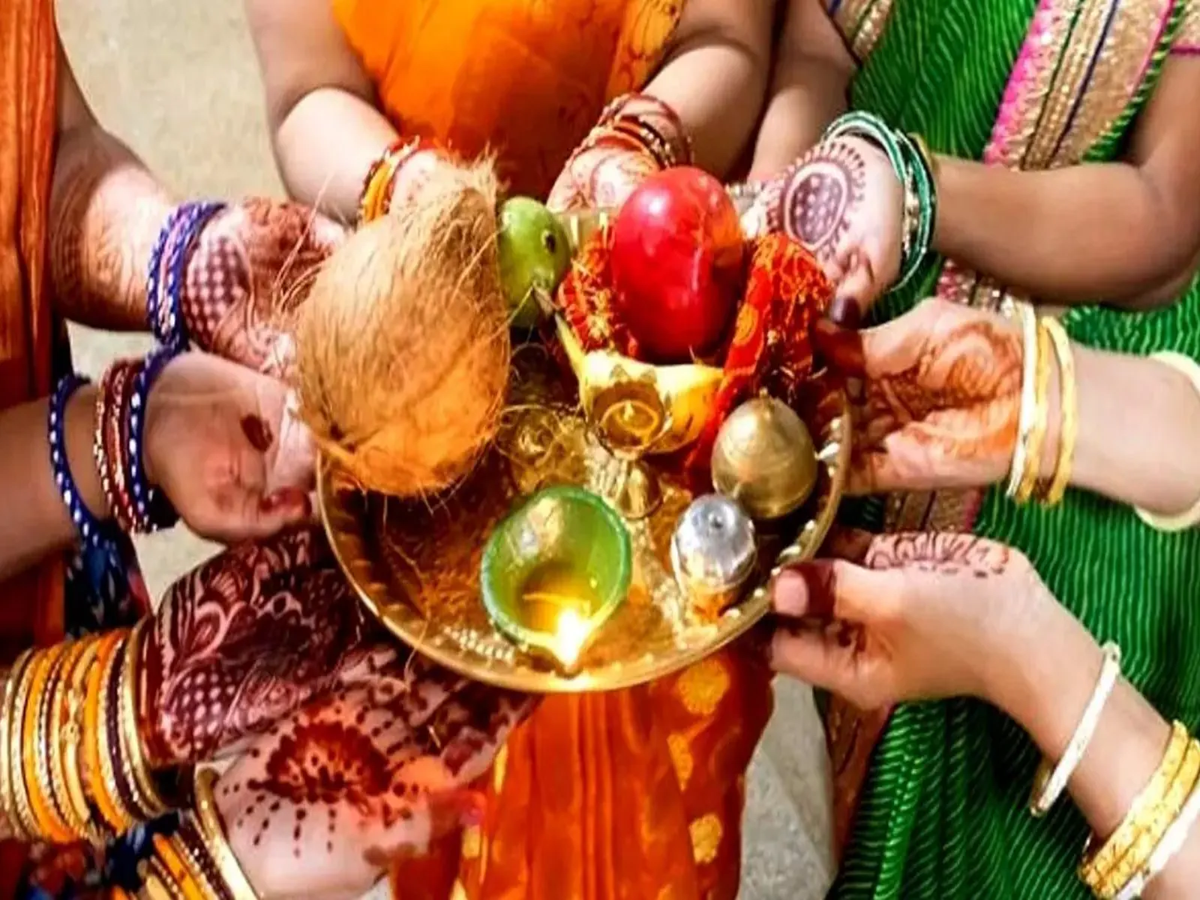
Kajari Teej 2026: The Teej festivals hold special significance in Hinduism, and Kajari Teej is considered one of the major fasts among them. This festival is celebrated with devotion and enthusiasm, primarily in various parts of Uttar Pradesh, Rajasthan, Madhya Pradesh, and Bihar. In 2026, the Kajari Teej fast will be observed on Monday, August 31. This fast is observed on the *Tritiya Tithi* (third day) of the *Krishna Paksha* (waning phase of the moon) in the month of Bhadrapada. Let us learn about the worship rituals of Kajari Teej...
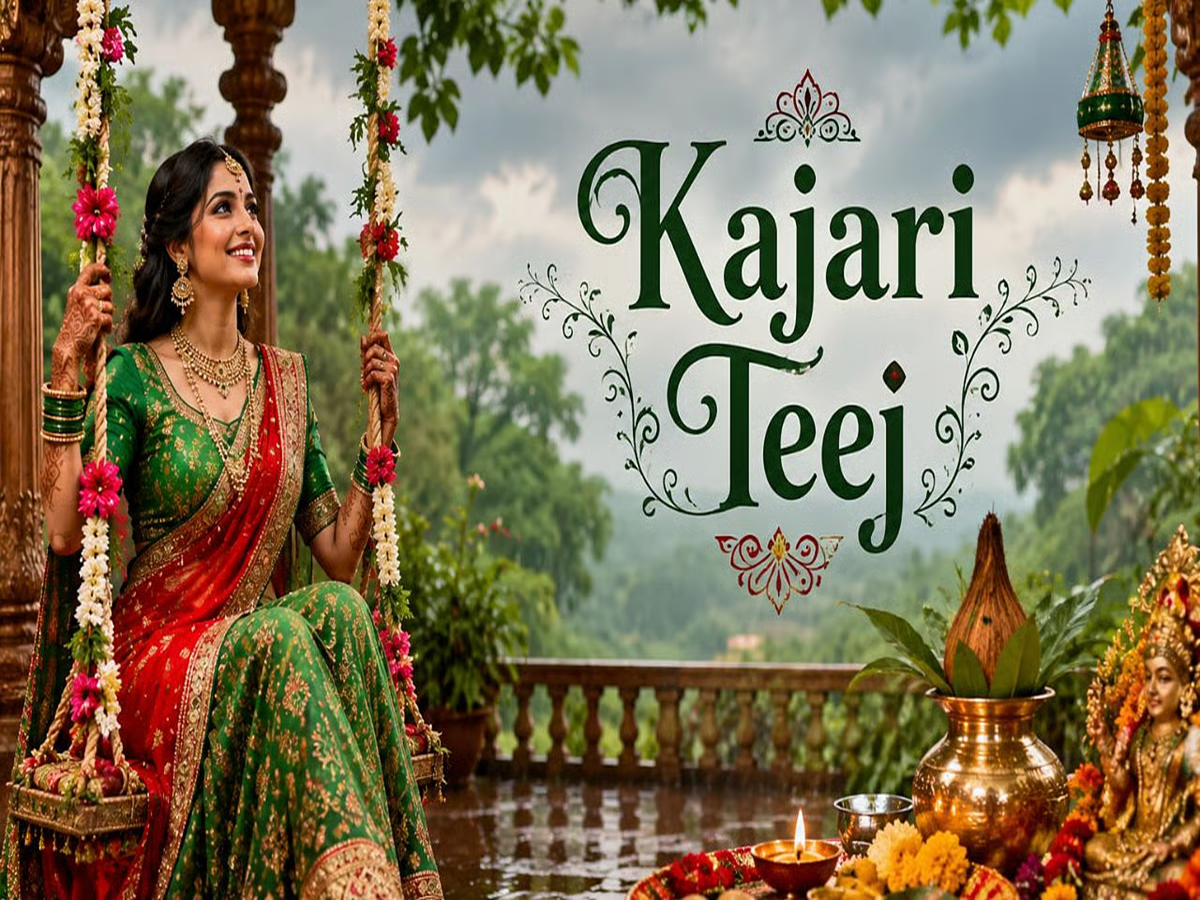
Why is Kajari Teej celebrated?
Kajari Teej is associated with the worship of Lord Shiva and Goddess Parvati. According to religious beliefs, Goddess Parvati performed severe penance to attain Lord Shiva as her husband. Pleased by her unwavering devotion and penance, Lord Shiva accepted her as his wife. For this reason, the festival is considered a symbol of marital bliss, love, and dedication.
Married women observe this fast for their husbands' longevity, a happy married life, and the well-being of their families. In many places, unmarried young women also worship Goddess Parvati and Lord Shiva with the wish of finding a life partner of their choice.
Significance of Kajari Teej
Kajari Teej is not merely a festival of religious faith; it is also deeply rooted in folk culture. On this day, women in many regions sing 'Kajari' folk songs, which are based on themes of rain, nature, love, and the emotions of separation (*viraha*). In some areas, there is also a tradition of worshipping the Neem tree or 'Neemdi Mata'. These folk traditions give this festival a unique identity that distinguishes it from other Teej celebrations.
Worship Rituals for Kajari Teej
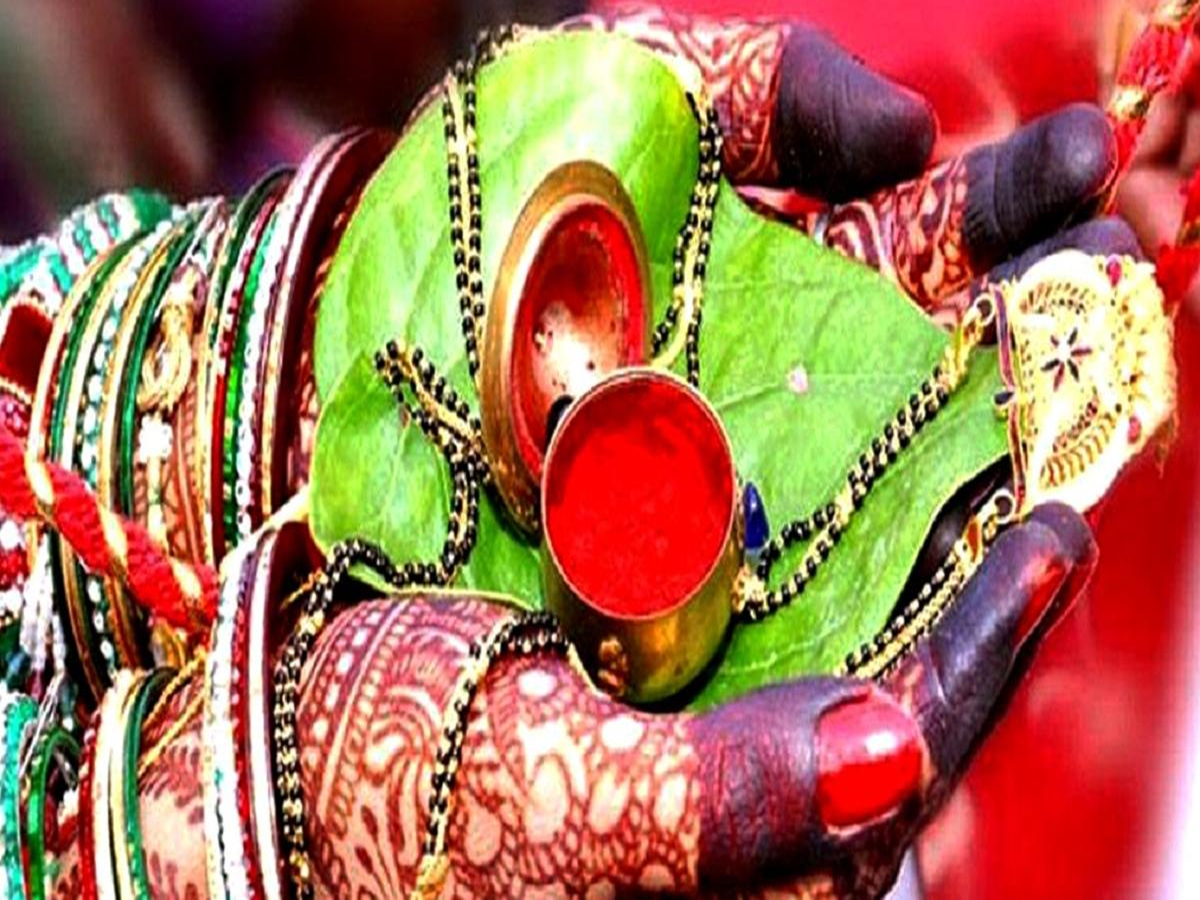
On the day of Kajari Teej, one should wake up early, bathe, and wear clean clothes. Afterward, one should take a vow (*sankalp*) to observe the fast. For the worship, install an idol or picture of Lord Shiva and Goddess Parvati. During the ritual, offerings such as *roli* (vermilion), *akshat* (whole rice grains), flowers, fruits, sweets, and items symbolizing marital bliss (*suhag* materials) can be offered. In many regions, a pond-like structure is created out of earth, and a neem twig is planted beside it for the traditional worship. This is followed by the worship of Shiva and Parvati, the *Aarti*, and the recitation of the ritual narrative (*Vrat Katha*). In some places, there is also a tradition of offering *Sattu* (roasted gram flour) as a ritual offering.
PC Social Media