LIFESTYLE
Kajari Teej Puja Samagri: Tomorrow is the worship of Kajari Teej, note down the list of worship materials..
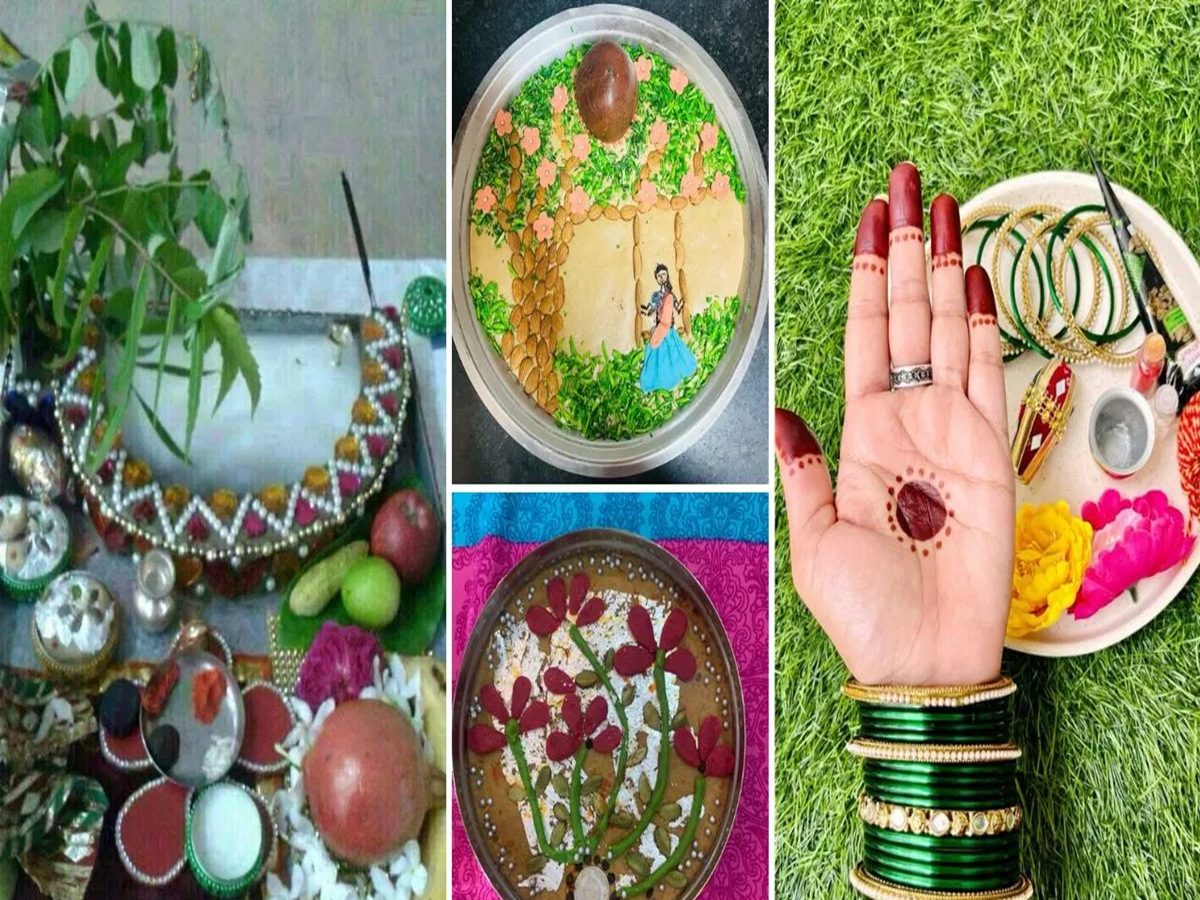
Kajari Teej Puja Essentials List: The festival of Kajari Teej is celebrated annually on the *Tritiya Tithi* (third day) of the dark fortnight (*Krishna Paksha*) of the Bhadrapada month; this year, this auspicious date falls on Monday, August 31st. On this day, women worship Lord Shiva and Goddess Parvati and observe a fast seeking unbroken marital bliss, their husband's longevity, and happiness in their married life. Unmarried women also observe this fast with the wish of finding a good groom or a desired life partner. Often, certain ritual items are overlooked during the worship, causing interruptions in the ceremony. Therefore, it is advisable to procure all the necessary *puja* materials from the market today so that nothing is missed during worship. Take note of the list of items required for the Kajari Teej *puja*...
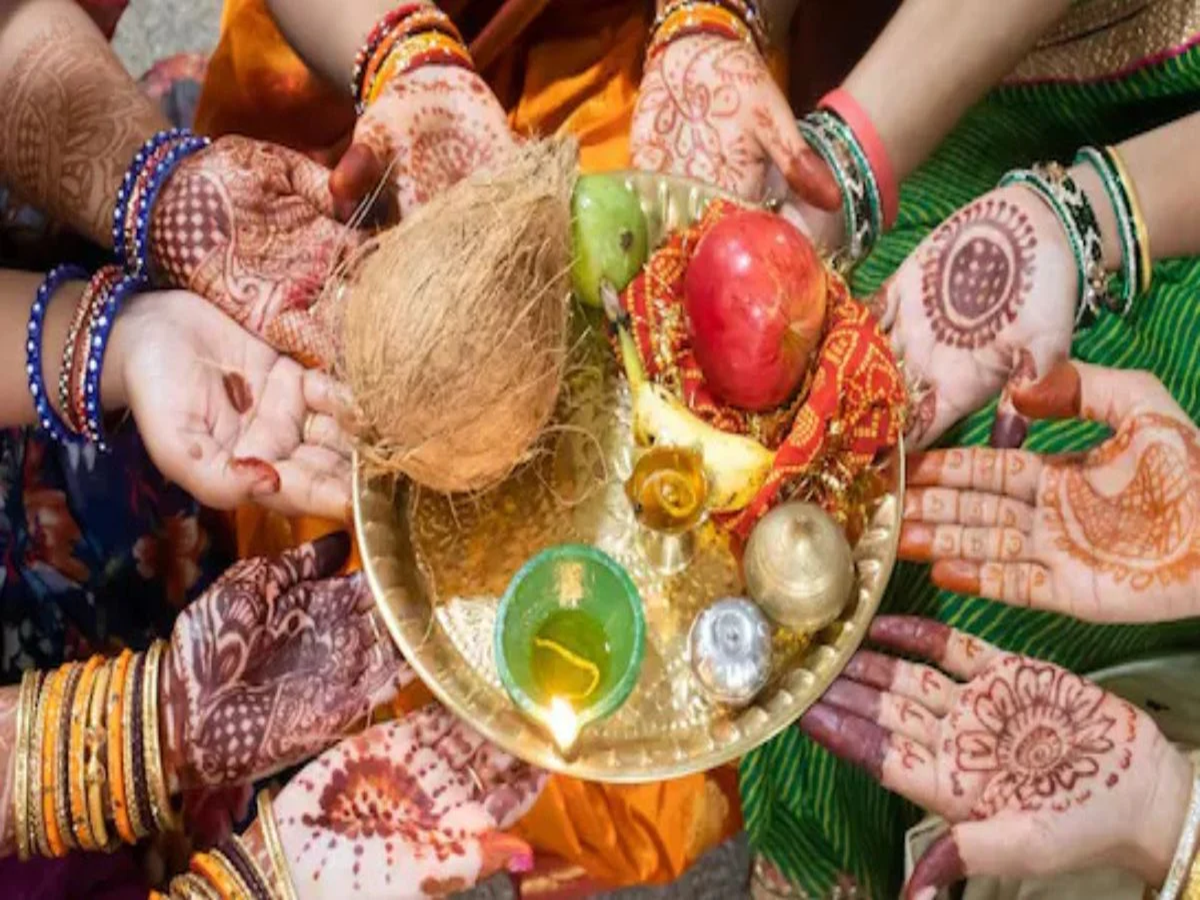
Religious Significance of Kajari Teej
It is believed that observing the Kajari Teej fast with devotion ensures happiness and peace in married life and fulfills the wish for the husband's longevity. Unmarried women also observe this fast to find a suitable life partner. During the worship, Lord Shiva, Goddess Parvati, and Lord Ganesha are invoked. In many regions, the worship of the Neem tree also holds special significance. Women perform the *Solah Shringar* (sixteen traditional adornments) before worshipping and listening to the *Vrat Katha* (ritual story).
Why is Kajari Teej Celebrated?
According to religious beliefs, Kajari Teej is associated with Lord Shiva and Goddess Parvati. It is said that Goddess Parvati performed severe penance to attain Lord Shiva as her husband. Due to this penance and her unwavering devotion, Kajari Teej is linked to marital happiness and the quality of married life. On this day, women observe a fast—either *Nirjala* (without water) or *Phalahar* (consuming only fruits)—and worship Lord Shiva and Goddess Parvati. In many places, women gather in groups to sing folk songs and enjoy swinging on swings. Celebrated during the rainy season, this festival is also deeply connected to nature and folk culture.
Kajari Teej Puja Materials List
Puja Thali – A clean brass or steel plate
Kalash – Filled with water and adorned with mango leaves and a coconut
Idols/Images – Of Lord Shiva, Goddess Parvati, and Lord Ganesha
Clay Shivling (if installing one at home)
Water vessel – Containing Gangajal (Ganges water) or pure water
Panchamrit – Milk, curd (yogurt), ghee, honey, and sugar
Betel leaves and areca nuts (supari)
Roli, Kumkum, turmeric, and sandalwood paste
Unspun cotton thread
Banana leaves
Akshat (unbroken rice grains)
Sindoor (vermilion) and bindi
Dhoop, incense sticks, and camphor
Lamp (Diya) – Filled with ghee or oil
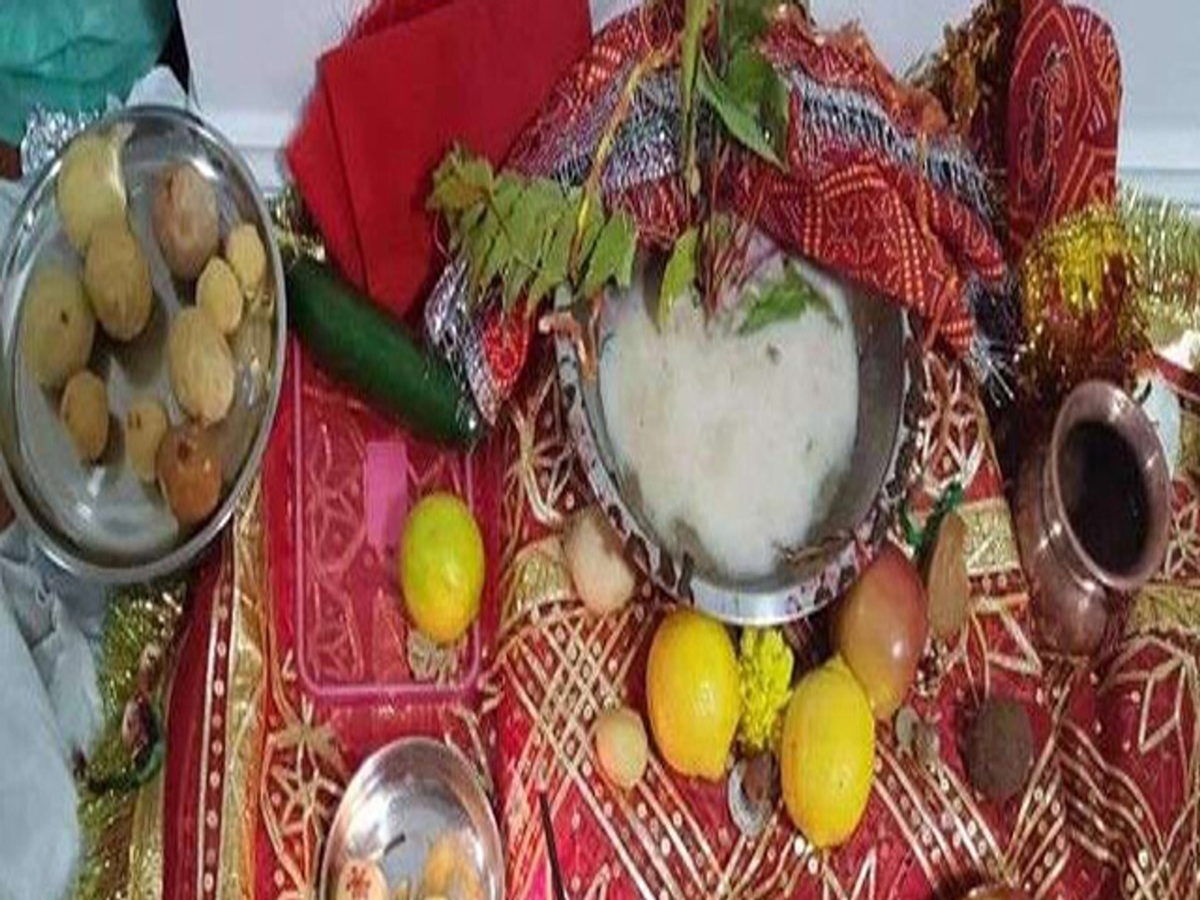
Garlands/Flowers – Especially Bel leaves, Durva grass, and white or yellow flowers
Fruits – Seasonal fruits, bananas, pomegranates, guavas, etc.
Sweets – Kheer, Laddu, Malpua, or traditional sweets specific to your region
Wheat or gram flour – To be offered during the ritual storytelling (Katha)
Shringar (adornment) items – Bangles, Chunri, Kohl (kajal), comb, Mahavar (red dye for feet), bindi, etc.
Katha book – For reciting the Kajari Teej Vrat Katha (ritual story)
Dakshina (offering) – Wrapped in a red or yellow cloth
Swing decoration – Small swings decorated with flowers (if the tradition is followed)
PC Social Media