Business
Lost Track of an Old PF Account? Use EPFO Service History to Find Every Member ID Linked to Your UAN
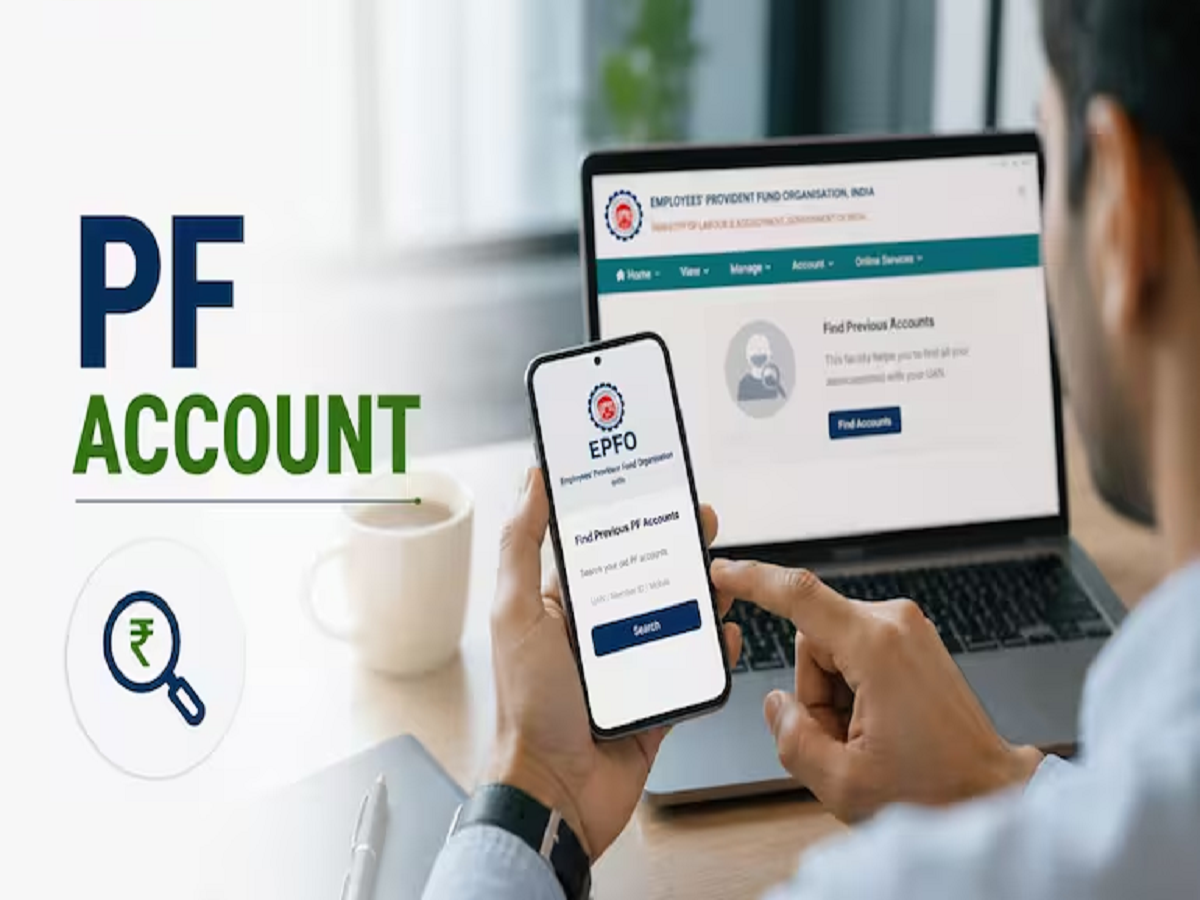
How to Find an Old PF Account: Changing jobs is now common, but every new employer generally creates a separate PF Member ID for the employee. After several job switches, many workers lose track of older provident fund accounts or forget whether the balance was transferred to their latest account.
The problem often comes to light only when an employee attempts to withdraw PF money, transfer an old balance, or apply for pension-related benefits. To make it easier for members to identify their previous employment records, the Employees’ Provident Fund Organisation provides a Service History facility on its unified member portal.
Using this feature, employees can view the old and current PF Member IDs associated with their Universal Account Number, or UAN, in one place.
What Is the EPFO Service History Feature?
The Service History section displays the employment records connected to a member’s UAN.
When an employee joins a new establishment covered under EPFO, the employer may create a new Member ID. However, the employee is generally expected to retain the same UAN throughout their working career.
The Service History page helps members check whether all their previous and present employment records have been mapped correctly to that UAN.
It may show information such as:
- Names of current and previous employers
- PF Member IDs generated by different establishments
- Date of joining each organisation
- Date of leaving the organisation
- Employment records connected with the UAN
This information can help users locate an old PF account that they may have forgotten after changing jobs.
How to Check Service History on the EPFO Portal
Employees can follow these steps to view their employment and PF account records online:
- Open the EPFO Member e-Sewa portal.
- Log in using your UAN, password and the required verification details.
- After reaching the account dashboard, select the View tab from the menu.
- Choose Service History from the available options.
- The portal should display the employment records associated with the UAN.
- Review the employer names, Member IDs, joining dates and exit dates carefully.
If an old employer appears in the list, its corresponding Member ID can help the employee identify the related PF account.
Why Employees Should Review Their Service History
Checking this section is not useful only for finding forgotten PF accounts. It may also help identify errors that can delay future claims.
Missing Date of Exit
Sometimes, a previous employer may not update the employee’s date of exit after the person leaves the organisation.
A missing exit date can create difficulties during PF transfer or withdrawal. By reviewing the Service History section, members can identify which employment record requires correction.
Duplicate UANs
An employee should ideally have only one UAN throughout their career. However, a new employer may sometimes generate another UAN because the previous number was not provided or properly linked.
If all employment records are not visible under one UAN, the employee may need to investigate whether a duplicate UAN exists and take the required steps to have the records consolidated.
Incorrect Employment Details
Wrong joining dates, missing exit dates or mismatched Member IDs can affect online claims.
Reviewing the Service History before submitting a transfer or withdrawal request gives employees an opportunity to identify and correct errors in advance.
Avoiding Claim Rejection
PF claims may be delayed or rejected when the information available in the employment records does not match the member’s profile, KYC details or bank information.
A timely review of Service History can help members verify their records before initiating a claim.
Check Your KYC Details as Well
Finding the old PF account is only one part of the process. Employees should also review the KYC information available in their EPFO profile.
Important details to verify include:
- Aadhaar number
- PAN details
- Bank account number
- IFSC code
- Registered mobile number
- Name and date of birth
Even a small spelling mismatch or incorrect bank detail may result in additional verification, paperwork or delays during PF transfer and withdrawal.
Employees should ensure that the name on the EPFO portal matches the details available in their Aadhaar, PAN and bank records.
Activate Your UAN Before Using Online Services
Members who have not yet activated their UAN will need to complete the activation process before accessing the Service History facility.
Once the UAN has been activated, employees can use several EPFO services online, including:
- Viewing the PF passbook
- Checking employment records
- Filing online claims
- Submitting transfer requests
- Updating profile information
- Reviewing KYC details
- Tracking claim status
The activation process also makes it easier for employees to manage PF accounts created during different periods of employment.
What to Do After Finding an Old PF Account
After locating an old Member ID, the employee should check whether its accumulated PF balance has already been transferred.
If the old balance is still lying in the previous account, the member may initiate an online transfer request, subject to eligibility and completion of the required employment and KYC details.
Employees should also verify whether the exit date has been entered correctly and whether the previous account is linked to the same UAN.
One UAN Can Simplify PF Management
The UAN is designed to provide a common identity for an employee’s PF accounts across different employers. While each establishment may issue a separate Member ID, all those IDs should normally remain linked to the employee’s single UAN.
Regularly reviewing Service History can help workers maintain accurate records, find forgotten PF accounts and reduce the risk of problems when transferring or withdrawing their retirement savings.
Employees who have changed several jobs should therefore check the portal periodically instead of waiting until retirement or a financial emergency to trace their old PF money.