LIFESTYLE
Perform this special lamp ritual on Jyeshtha Purnima; it may open up new pathways to happiness, prosperity, and success..
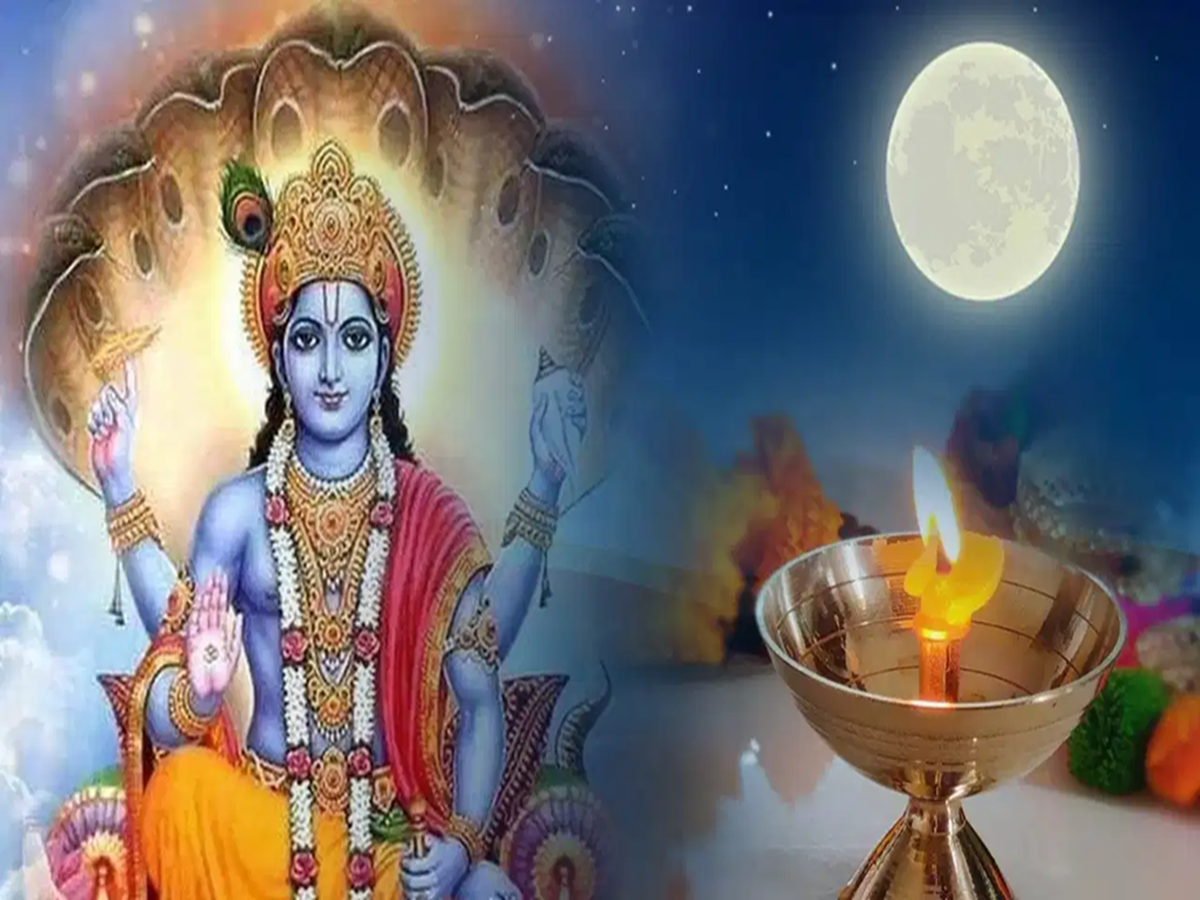
According to the Hindu Panchang (calendar), the month of Jyeshtha is considered an exceptionally sacred period for religious observances, acts of charity, and earning spiritual merit; the significance of its Full Moon (Purnima) is particularly heightened. This day is regarded as a symbol of auspiciousness, positive energy, and spiritual advancement. It is believed that taking a holy dip in sacred rivers and performing worship rituals on this day leads to the attainment of happiness, peace, and favorable outcomes in life.
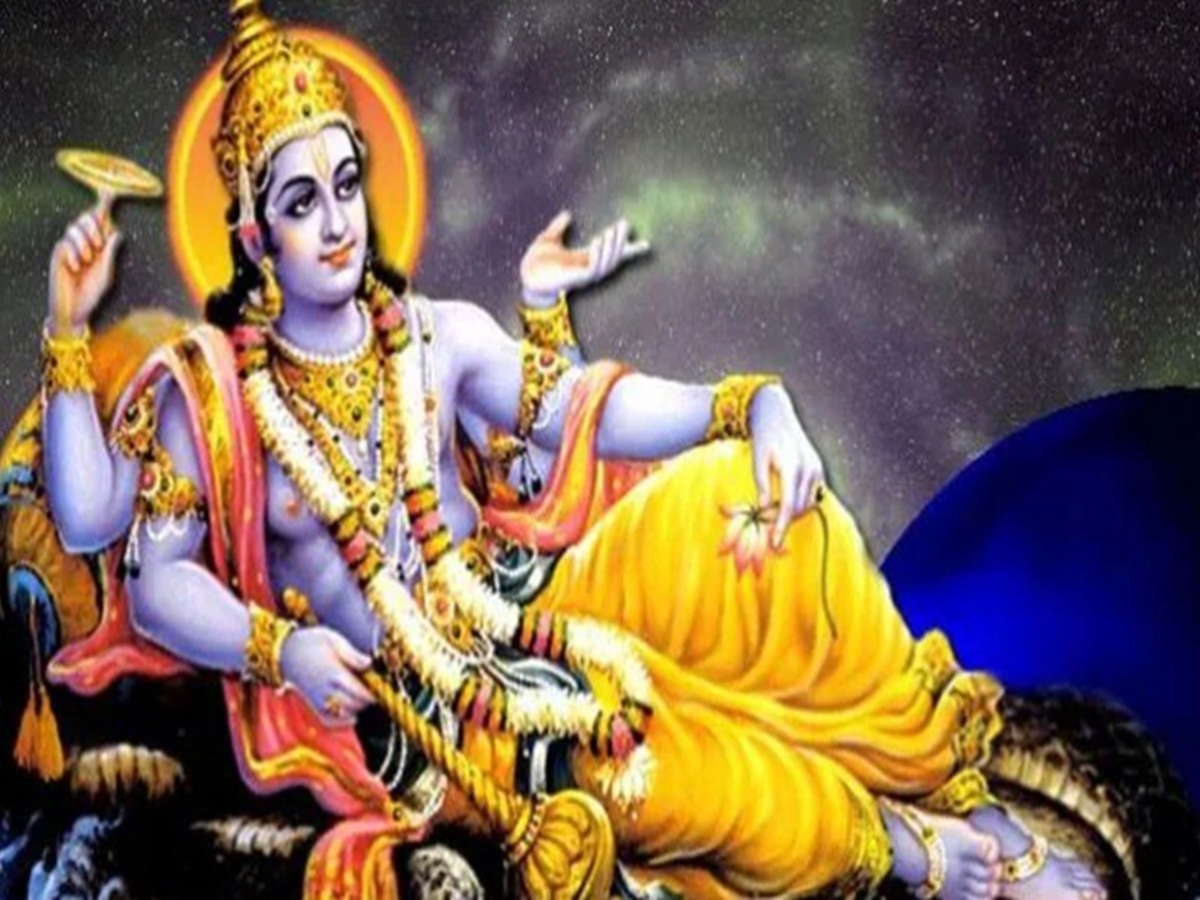
Furthermore, this day is considered especially significant for strengthening one's fortune and fostering financial progress. This year, Jyeshtha Purnima falls under a rare and auspicious celestial alignment, thereby further amplifying its importance. According to Anand Bhardwaj, an astrologer from Ujjain, specific rituals involving the lighting of lamps (Deepak) performed on this day can bring about positive transformations in one's life.
**When Will Jyeshtha Purnima Be Celebrated?**
According to the Vedic Panchang, the Purnima Tithi (Full Moon phase) of the month of Jyeshtha will commence on Saturday, May 30, 2026, at 11:57 AM, and will continue until 02:14 PM on the following day, Sunday, May 31, 2026. Consequently, the fast (Vrat) for Jyeshtha Purnima will be observed on Saturday, May 30, 2026, while the rituals of holy bathing and charitable donations will be performed on Sunday, May 31, 2026. On the day of Jyeshtha Purnima, the moonrise is expected to occur around 07:36 PM.
**Religious Significance of Jyeshtha Purnima**
The Full Moon occurring during the month of Jyeshtha is celebrated as Jyeshtha Purnima, a day of profound religious significance. Performing holy ablutions and acts of charity on this sacred day is believed to yield spiritual merit and absolve one of sins. It is held that after taking a holy dip in a sacred river, performing *Tarpan* (libations), *Pind Daan* (offering rice balls), and *Shraddh* rituals for one's ancestors helps alleviate *Pitra Dosha* (ancestral afflictions). These religious observances are believed to usher happiness, peace, and prosperity into one's life.
**Essential Lamp Rituals to Perform:** According to religious beliefs, the kitchen is considered a vital space within the home, intrinsically linked to the family's prosperity and health. Lighting a lamp in the kitchen on Jyeshtha Purnima is believed to invoke the blessings of Goddess Annapurna and the Divine Guru, thereby ensuring the continued presence of happiness, prosperity, and an abundance of food within the household. It is widely believed that lighting a lamp at the main entrance of the house on the night of Jyeshtha Purnima is considered extremely auspicious. It is said that Goddess Lakshmi makes her arrival through this very doorway. This practice is believed to be instrumental in enhancing happiness and prosperity, alleviating financial difficulties, and securing the blessings of one's Guru.

Tradition holds that on the morning of Purnima, after taking a ritual bath, one should offer water to the sacred Tulsi plant and perform *Aarti* by lighting a lamp filled with ghee. This act pleases Goddess Lakshmi and leads to an increase in wealth and material abundance.
On the day of Jyeshtha Purnima, the ritual of *Deepdan*—offering lamps into a sacred river—is considered highly auspicious. This practice helps dispel mental unrest, resolves *Pitra Dosha* (ancestral afflictions), and invokes the blessings of one's ancestors. This virtuous deed infuses one's life with positive energy, happiness, and prosperity.
PC Social Media