LIFESTYLE
Puja Tips: If you are lighting a lamp during puja at home, then do not make this mistake even by mistake...
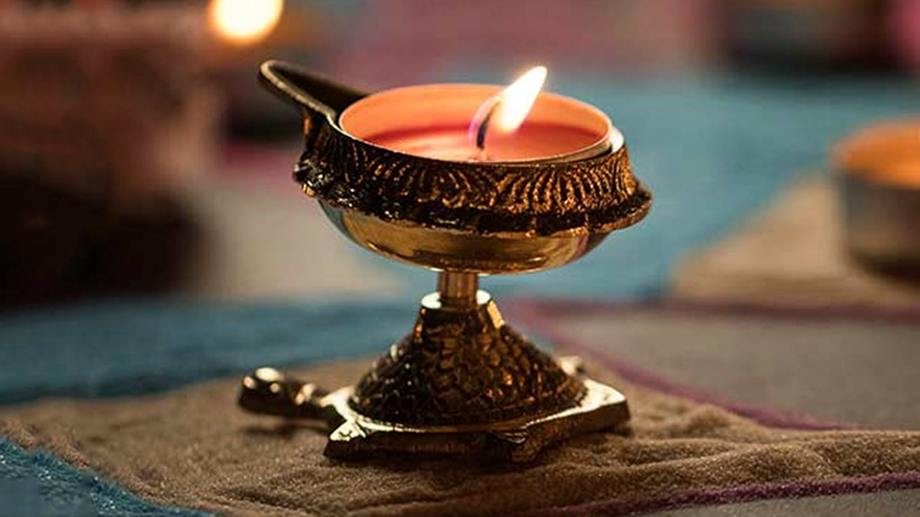
Lighting a lamp in the home temple is considered extremely important both from a religious and a Vastu perspective. Lighting a lamp with ghee or mustard oil brings positive energy and peace to the home. It is considered auspicious to place a ghee lamp on the left side, while an oil lamp on the right side. Placing a lamp in the north or north-east corner enhances the effect of worship, while lighting a lamp in the south or west is considered inauspicious. The wick of the lamp should be directed towards the east or north, which dispels negative energy.
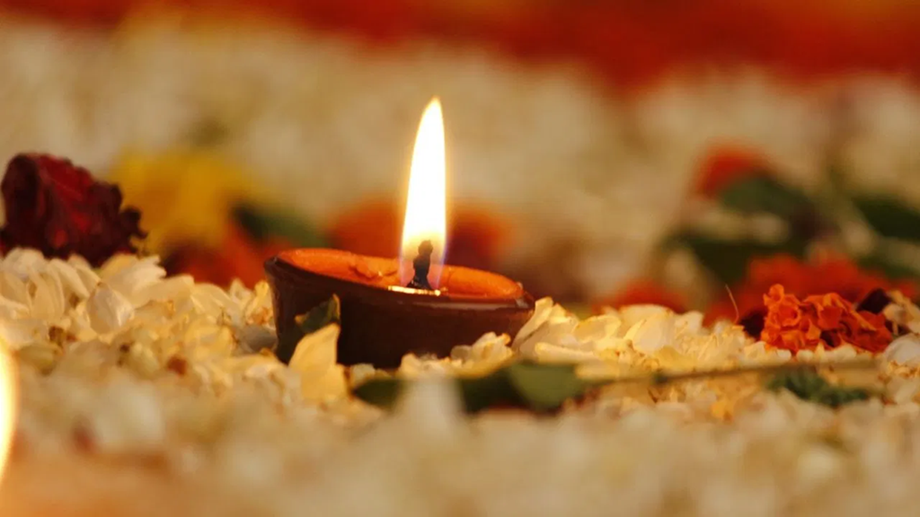
It is common to see a lamp lit during prayers in every home's small temple. Without a lamp, worship is considered incomplete and does not fully appease the deities. The lamp not only symbolizes religious faith but also increases the flow of positive energy in the home. Vaastu Shastra outlines several important rules related to lighting lamps, following which multiply the benefits of worship. For this reason, the tradition of lighting lamps in homes every morning and evening has been going on for generations.
Bhilwara Nagar Vyas Pt. Kamlesh Vyas said that according to Vastu Shastra, lighting a lamp with ghee or mustard oil during puja is considered essential. One of these lamps should be lit daily in the home temple, which promotes peace and positive energy within the family. If lighting a ghee lamp, it is recommended to place it on the left side of the temple, while placing an oil lamp on the right side is considered auspicious. A white cotton wick should be used in a ghee lamp, while a red thread wick in an oil lamp brings good luck.
During puja, it is considered best to place the lamp in the north direction or the north-east direction. Doing so is believed to bring positive changes in the lives of the family members. The wick of the lamp should also be facing the correct direction, with east or north being auspicious. It is believed that placing the wick in these directions enhances the effect of the puja and automatically dispels negative energy.
Vaastu specifically advises avoiding lighting lamps in certain directions. Lighting a lamp in the south direction can increase the impact of negative energy, as it is considered the direction of Yamaraj. Similarly, lighting a lamp in the west direction is not considered auspicious, as this direction symbolizes stability and stagnation, and lighting a lamp there can lead to undesirable consequences. Therefore, it is extremely important to be mindful of the directions when placing lamps during worship to ensure the full benefits of the puja and maintain positivity in the home.
It is not considered appropriate to place the lamp directly in front of the idol or picture of God during worship. Nor should it be placed too far away. The lamp should be placed in such a way that its light reaches the feet of God and creates a luminous atmosphere in the place of worship. Furthermore, if a metal lamp is being used in the temple, it is essential to clean it daily so that soot or oil deposits on it do not affect the sanctity of the puja. A clean lamp is considered a symbol of divinity and positivity and fills the home with energy.
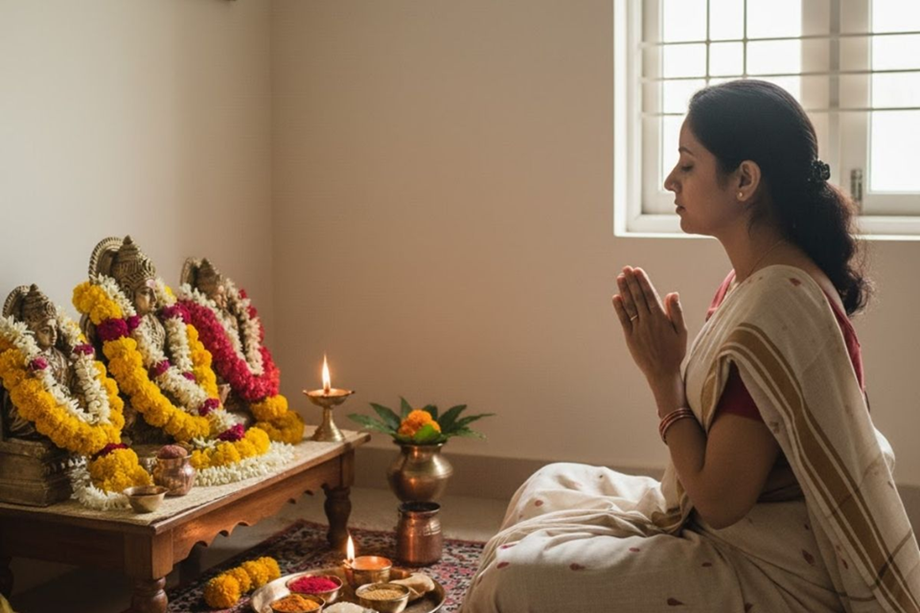
Following these rules brings the full benefits of worship and mental peace. These lamp-related traditions described in Vastu Shastra are not only religiously significant but also promote positive thinking, purity, and discipline in life. The process of lighting lamps not only promotes spiritual progress but also brings harmony and prosperity to the family. Lighting a lamp daily in the home temple purifies the atmosphere and strengthens the feeling of faith and devotion. Therefore, following the rules of lighting lamps while performing puja is considered extremely important.
PC Social Media