LIFESTYLE
Raksha Bandhan: Choose the right Rakhi for your brother based on auspicious symbols; find out the details according to zodiac signs..
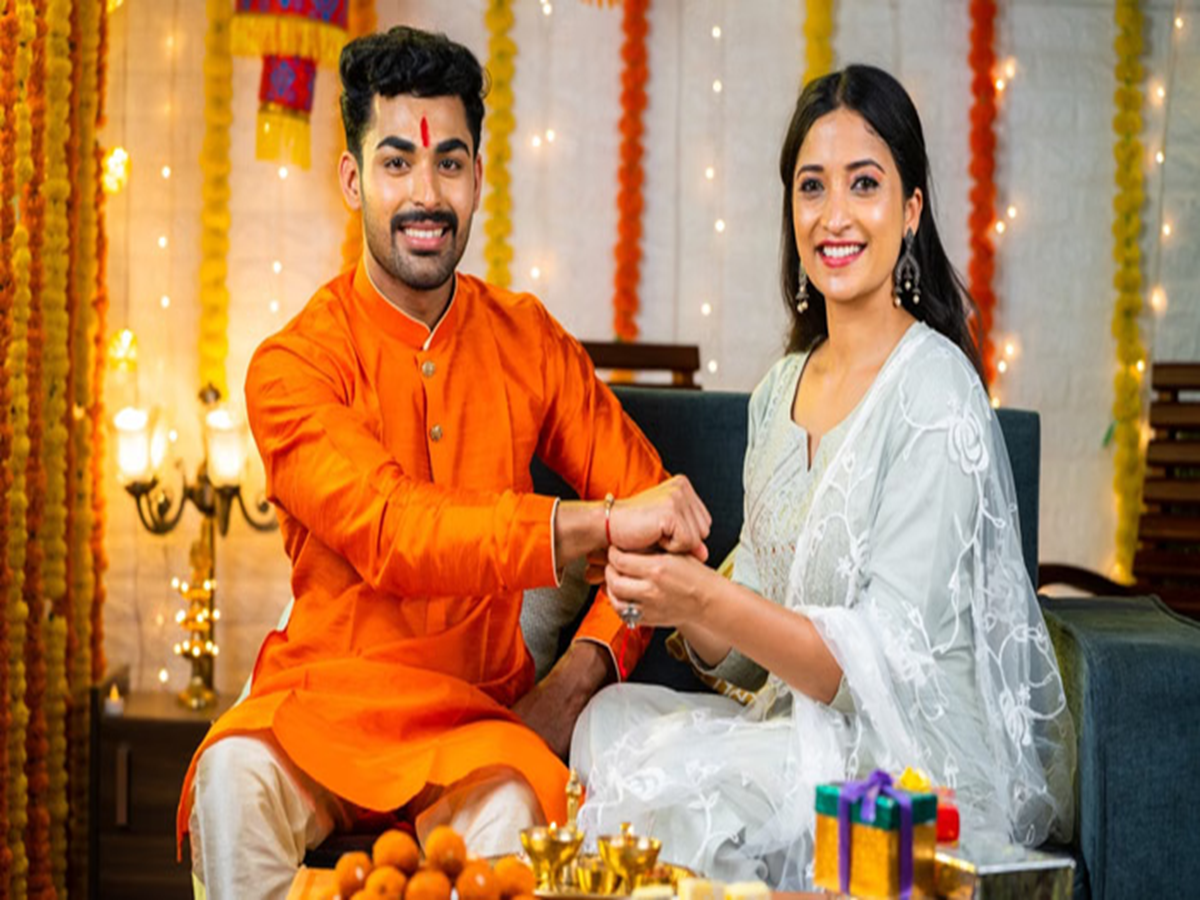
Religious Significance of Rakhi: The auspicious festival of Raksha Bandhan will be celebrated on August 28, 2026, amidst the shadow of a lunar eclipse. This festival is not merely about tying a thread; it represents a sacred vow taken by a sister to pray for her brother's longevity, prosperity, and safety. According to astrology and scriptures, selecting a Rakhi based on the brother's zodiac sign and auspicious religious symbols brings positive energy and good fortune into life.
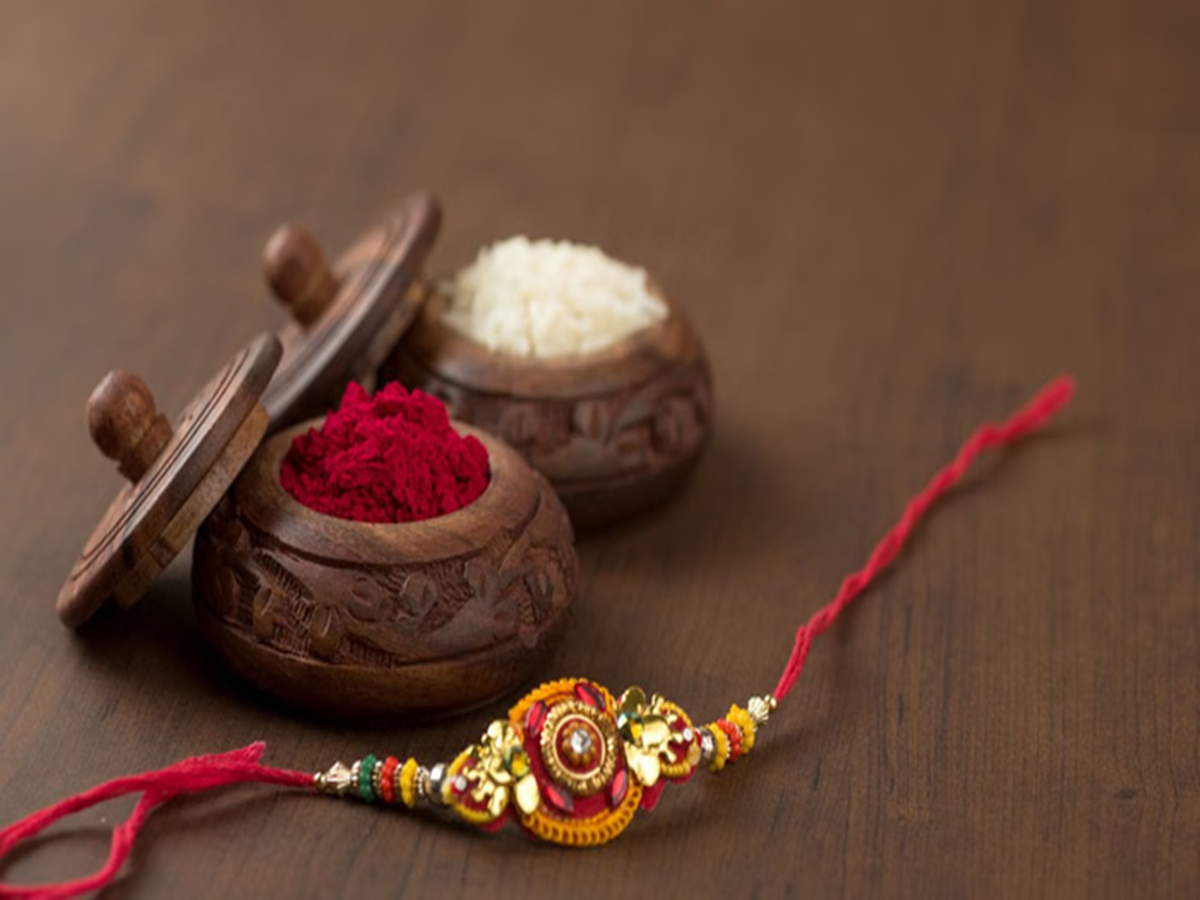
The Evolving Nature of Rakhi Over Time
The tradition of the *Raksha Sutra* (protective thread) has modernized significantly over the years:
Cotton Thread and *Mauli*: Initially, only simple cotton threads or *Mauli* (sacred red-and-yellow thread/Kalava) were tied.
*Nada* and Tassels: This was followed by an era of colorful tassels made from *nada* (thick cotton cords) and cotton threads.
Foam and Velvet: As times changed, Rakhis featuring flowers made of foam and velvet on silk threads came into vogue.
Modern and Fancy Designs: Currently, a wide range of Rakhis is available, including bracelet styles and those featuring *Zari* work, crystals, and precious metals.
Major Types of Rakhis Available in the Market
Rudraksha Rakhi:
Features a natural Rudraksha bead—a symbol of Lord Shiva—placed among other beads.
Bracelet Rakhi: A bracelet-style Rakhi featuring a large central stone surrounded by sparkling beads.
American Diamond Rakhi: Features American diamonds and small, glittering stones studded onto a silver or metal band.
*Lumba* and *Chuda* Rakhi: Popular primarily in Rajasthan, this style resembles a *jhumar* (chandelier-style hanging) or a bangle and is worn by the *Bhabhi* (sister-in-law) on her wrist.
Silver and Gold Rakhi: Precious and durable Rakhis crafted with silver chains or gold beads and *Kundan* work.
Zardosi (Zari) Rakhi: An attractive, traditional Rakhi created using intricate craftsmanship and *Zari* (metallic thread) work.
Sandalwood Rakhi: A fragrant Rakhi made from sandalwood beads or carved sandalwood shapes. Floral and Rangoli Rakhis: Rakhis featuring beautiful flowers or artistic Rangoli designs on silk threads.
Tassel and Pom-pom Rakhis: Traditional Rakhis crafted with velvet tassels and strings of beads.
Other Modern Designs: Cartoon Rakhis for children, religious symbols (Sai, Ek Onkar, Khanda, Krishna, Tortoise), and Meenakari designs.
Auspicious Rakhis with Sacred Symbols and Their Significance
Swastika Rakhi:
The Swastika represents Lord Ganesha. It removes all obstacles from a brother's life and paves the way for progress.
Om (ॐ) Rakhi: The sound of 'Om' is the primordial energy of the universe. Tying it on the wrist brings mental peace and a sense of protection.
Rudraksha Rakhi: Blessed by Lord Shiva, this Rakhi bestows good health upon the brother and protects him from negative forces.
Mauli (Kalava) Rakhi: In Sanatan tradition, the Kalava is considered the purest *Raksha-sutra* (sacred protective thread). It helps balance the *Tridoshas* (Vata, Pitta, and Kapha) in the body.
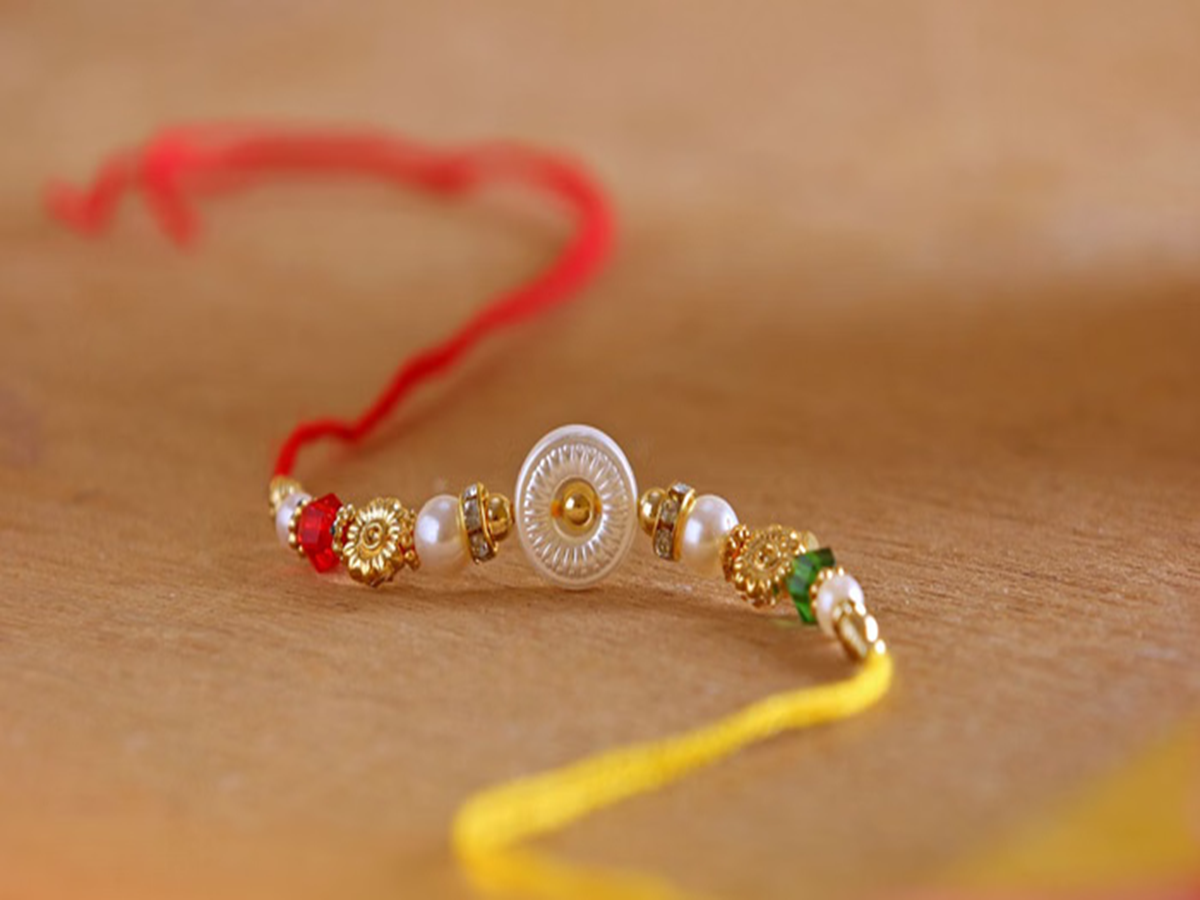
Important Points to Consider When Buying Rakhis
Do Not Buy Damaged Rakhis:
Ensure that the beads, threads, or symbols on the Rakhi are not broken or damaged in any way.
Avoid Inauspicious Symbols: Refrain from buying Rakhis featuring plastic skeletons, sharp shapes, or cartoons with scary or sad faces.
Avoid the Color Black: The use of Rakhis with black threads, black stones, or black beads is strictly avoided on an auspicious occasion like Raksha Bandhan.
PC Social Media