
LIFESTYLE
These 5 changes may be seen in the bodies of those who eat moong dal daily; find out why it is so special..
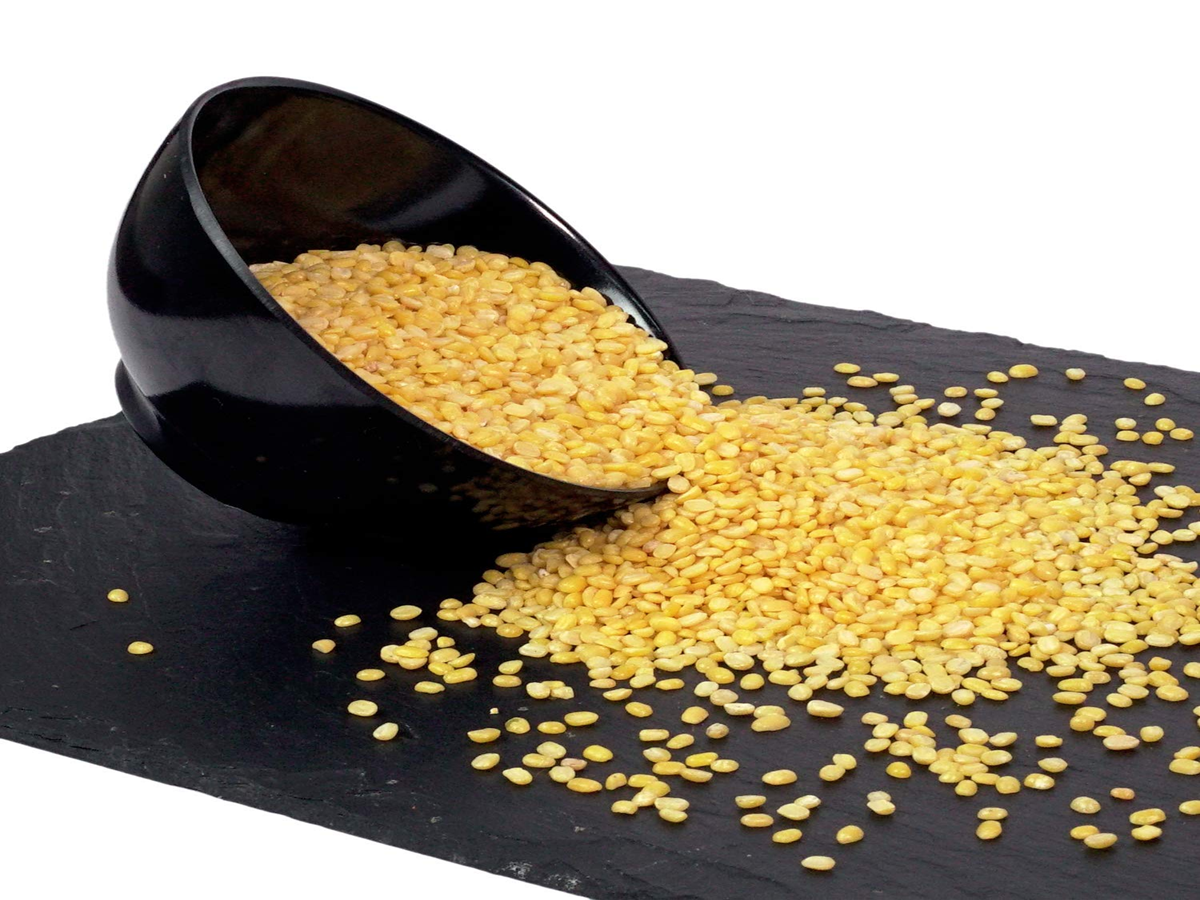
Moong dal (split green gram) is widely used in Indian kitchens. Apart from being delicious, it is packed with protein, fiber, vitamins, and several essential minerals. Notably, compared to many other lentils, moong dal is considered light and easy to digest. Incorporating it into your diet can offer numerous health benefits.
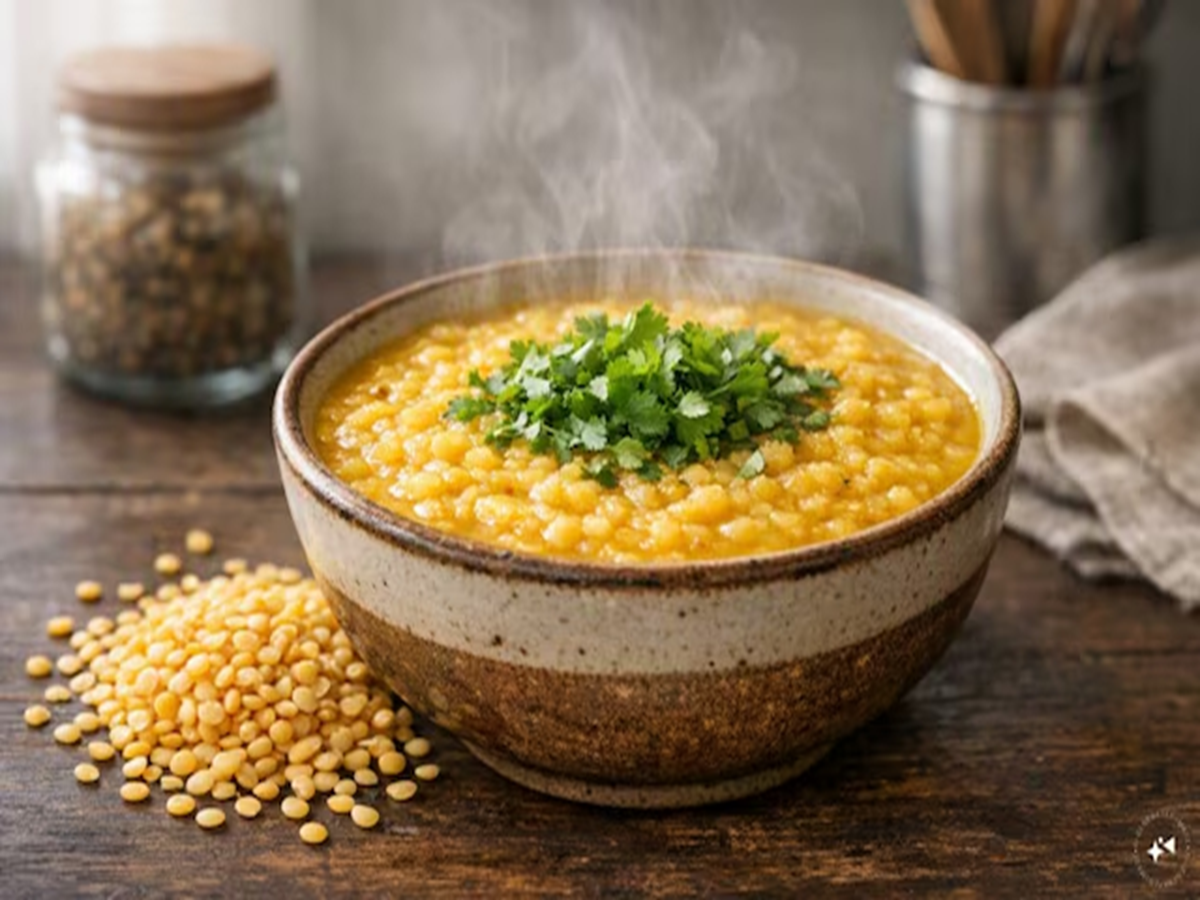
Moong dal is rich in fiber, which helps maintain a healthy digestive system. Fiber aids in softening the stool and keeping the bowels clean, potentially providing relief from constipation. For those who experience a feeling of heaviness in the stomach after consuming heavy meals, moong dal serves as a lighter alternative. However, some individuals may experience gas or bloating after eating lentils; in such cases, it is advisable to consume smaller portions and ensure the dal is thoroughly cooked.
**Helps in Weight Management**
If you wish to manage your weight, moong dal can be a valuable addition to your diet. It contains both protein and fiber—nutrients that help keep you feeling full for longer periods. This can reduce the urge to eat frequently or snack on unhealthy foods.
However, consuming moong dal alone will not lead to weight loss; a balanced diet and regular physical activity are also essential.
**Beneficial for Heart Health**
Moong dal contains nutrients such as potassium, magnesium, and folate, as well as fiber. Consuming lentils and other legumes as part of a balanced diet can benefit heart health. However, it should not be considered a cure for any medical condition.
**Helps Manage Blood Sugar**
Moong dal contains complex carbohydrates alongside protein and fiber. Consequently, after consumption, blood sugar levels tend to rise gradually rather than spiking rapidly. Lentils can be part of a balanced diet for individuals with diabetes as well. Nevertheless, when managing diabetes, it is best to plan your diet in consultation with a doctor or a dietitian.
Provides essential nutrition to the body
Moong dal contains iron, folate, magnesium, potassium, and various B-vitamins. These nutrients are essential for the body's normal functioning. The plant protein present in it is also beneficial for muscles and other body tissues.
How to consume moong dal?
Moong dal can be incorporated into your diet in various ways. You can consume it as a standard dal, khichdi, chilla, or simply as dal. Moong can also be eaten after being sprouted. However, it is important to ensure proper hygiene when preparing sprouted moong.
PC Social Media