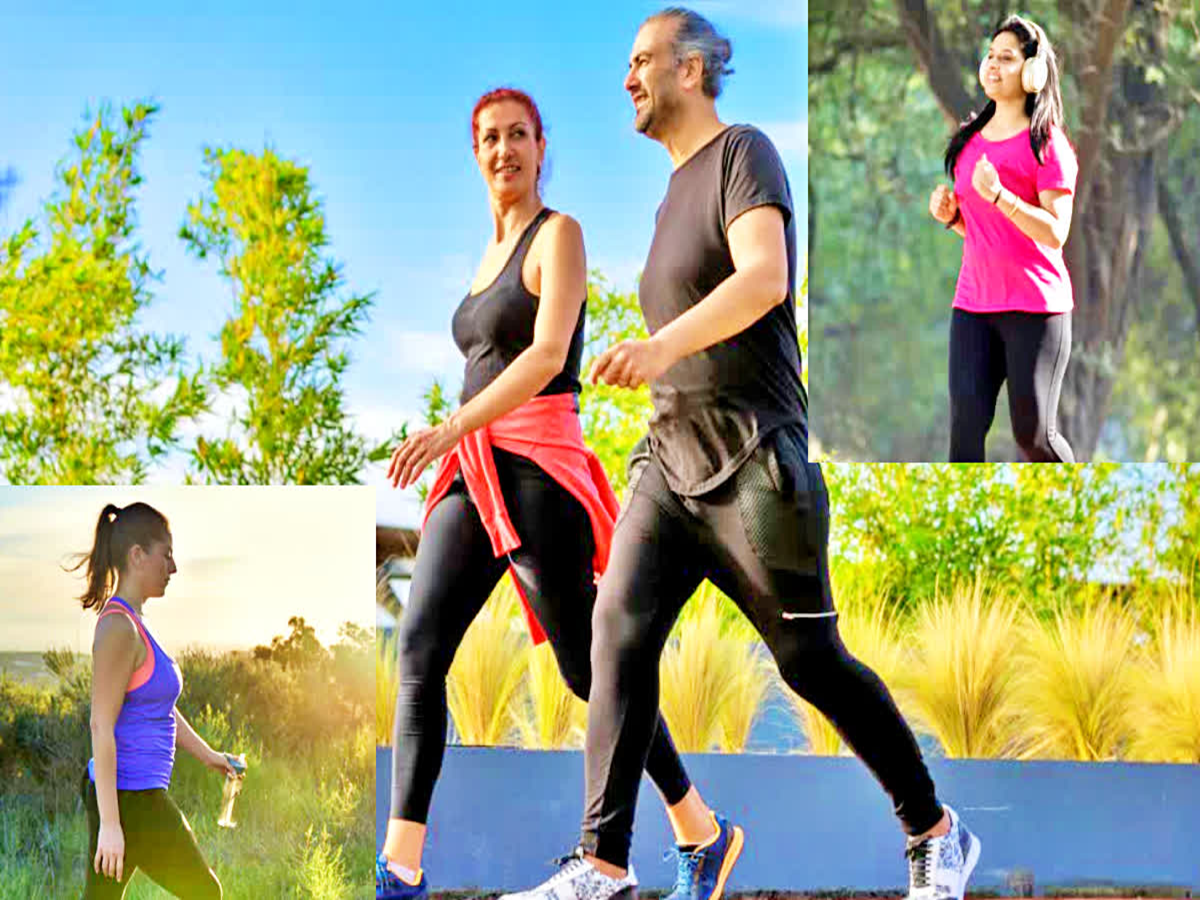
How to Walk for Weight Loss: While walking can leave you feeling refreshed, it does not guarantee a reduction in excess weight. However, if you switch from a casual stroll to a "brisk walk," the results can be significantly different. Brisk walking involves taking 100–200 steps per minute. Gradually increasing your step count each day is a safe way to incorporate brisk walking into your routine. Additionally, there are five key factors to keep in mind; otherwise, you may not see any noticeable impact on your weight.
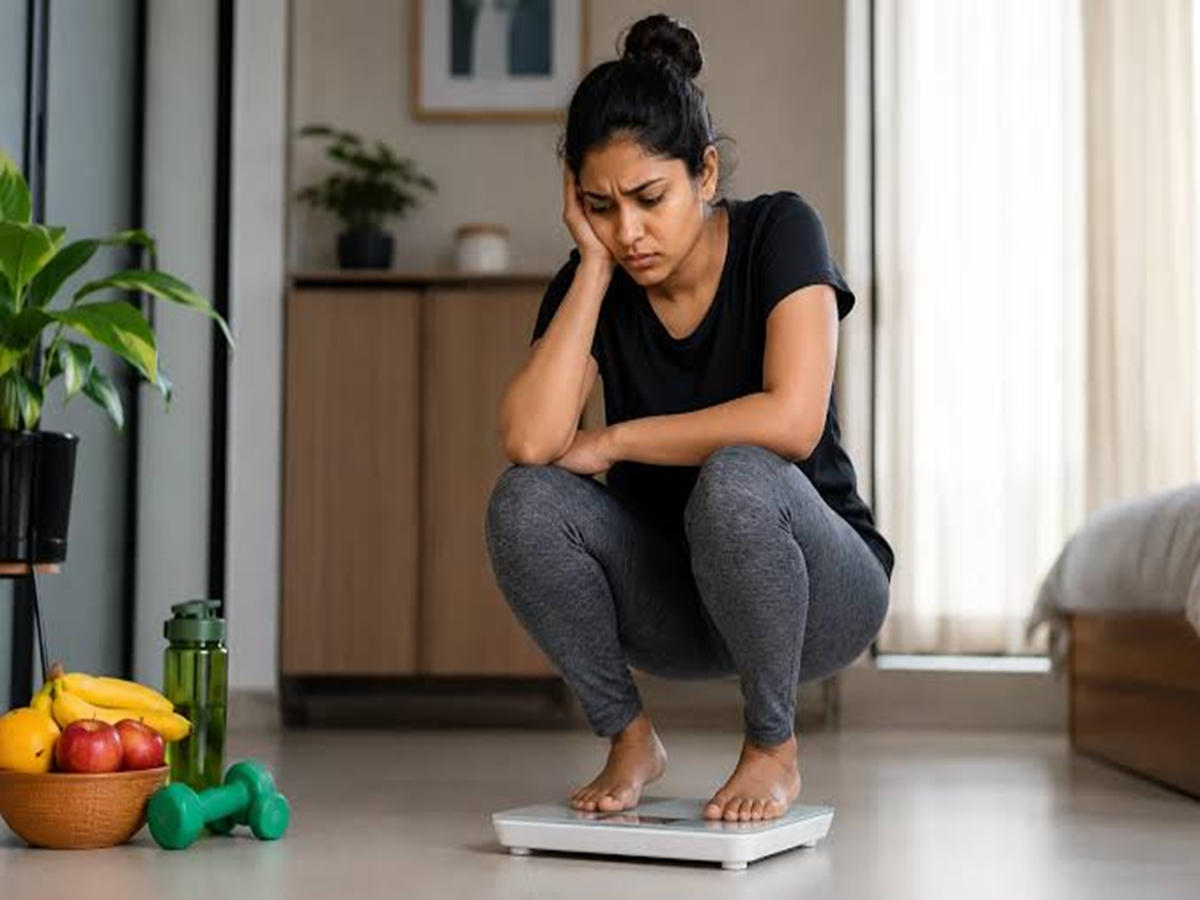
Do Not Ignore These 5 Mistakes
It is essential to warm up before a brisk walk and cool down afterward. Skipping these steps increases the risk of muscle stiffness, fatigue, and internal injuries. A 3–5 minute light warm-up—such as walking slowly or performing dynamic stretches—prepares your muscles. For the cool-down phase, gradually reduce your pace after your walk and incorporate static stretches.
Walking with a hunched posture, constantly looking at your phone, or dragging your feet prevents you from reaping the full benefits of your walk. Poor posture can strain your neck and back, and even make breathing difficult. To walk correctly, keep your head upright, shoulders relaxed, core muscles slightly engaged, and allow your arms to swing naturally. This makes walking easier and reduces unnecessary strain on your muscles.
Wearing old, worn-out, or unsupportive shoes while walking can be counterproductive. It may lead to foot pain, calf strain, and increased pressure on your knees. Such discomfort can eventually discourage you from maintaining a daily walking routine. Therefore, choose shoes that provide good support, adequate cushioning, and a firm grip. Wearing the right footwear makes walking more comfortable.
If you walk along the same route at the same pace every day, the weight-loss process may slow down over time, as your body becomes accustomed to the repetitive activity. To avoid this, vary your pace—alternating between faster and slower speeds—increase the distance, or choose routes that include inclines. Additionally, use a fitness app or a journal to track your steps, duration, and speed. This will help you set goals, stay motivated, and monitor your progress.
Even a light walk causes the body to lose water through sweat, especially in humid weather. Dehydration can impair your physical performance, slow down your metabolism, and even trigger unnecessary hunger. To prevent this, drink a glass of water 20–30 minutes before your walk, and continue to sip water during or after your walk. This helps maintain your energy levels and facilitates more efficient fat burning.
PC Social Media