Food & recipe
What mistakes cause the dosa to stick to the tawa? Follow these tips to make it crispy and lacy, just like the ones sold in the market..
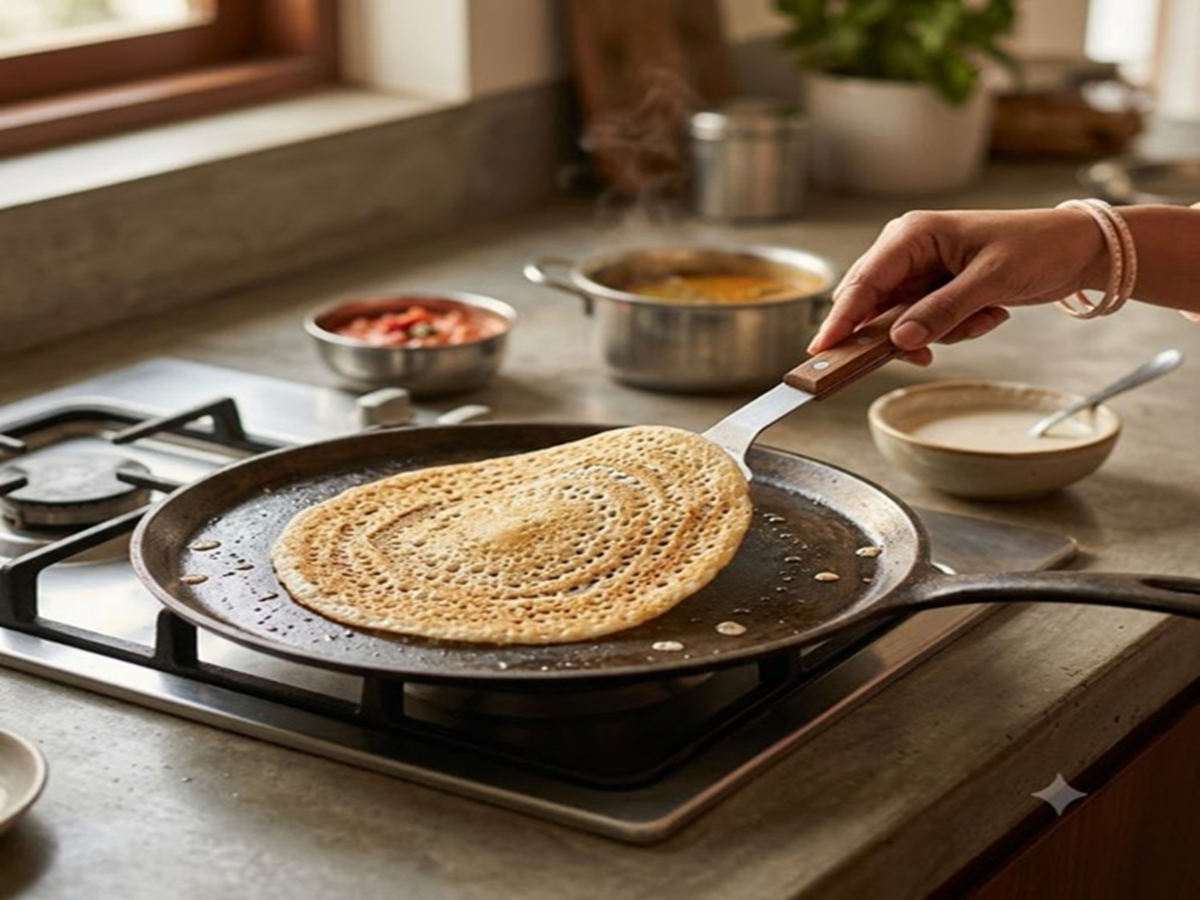
Making dosa at home can often feel like a major challenge. We put a lot of effort into preparing the batter, but when we spread it on the griddle (tawa), it either sticks badly or fails to achieve that perfect, market-style crispiness. If this happens to you, don't worry.
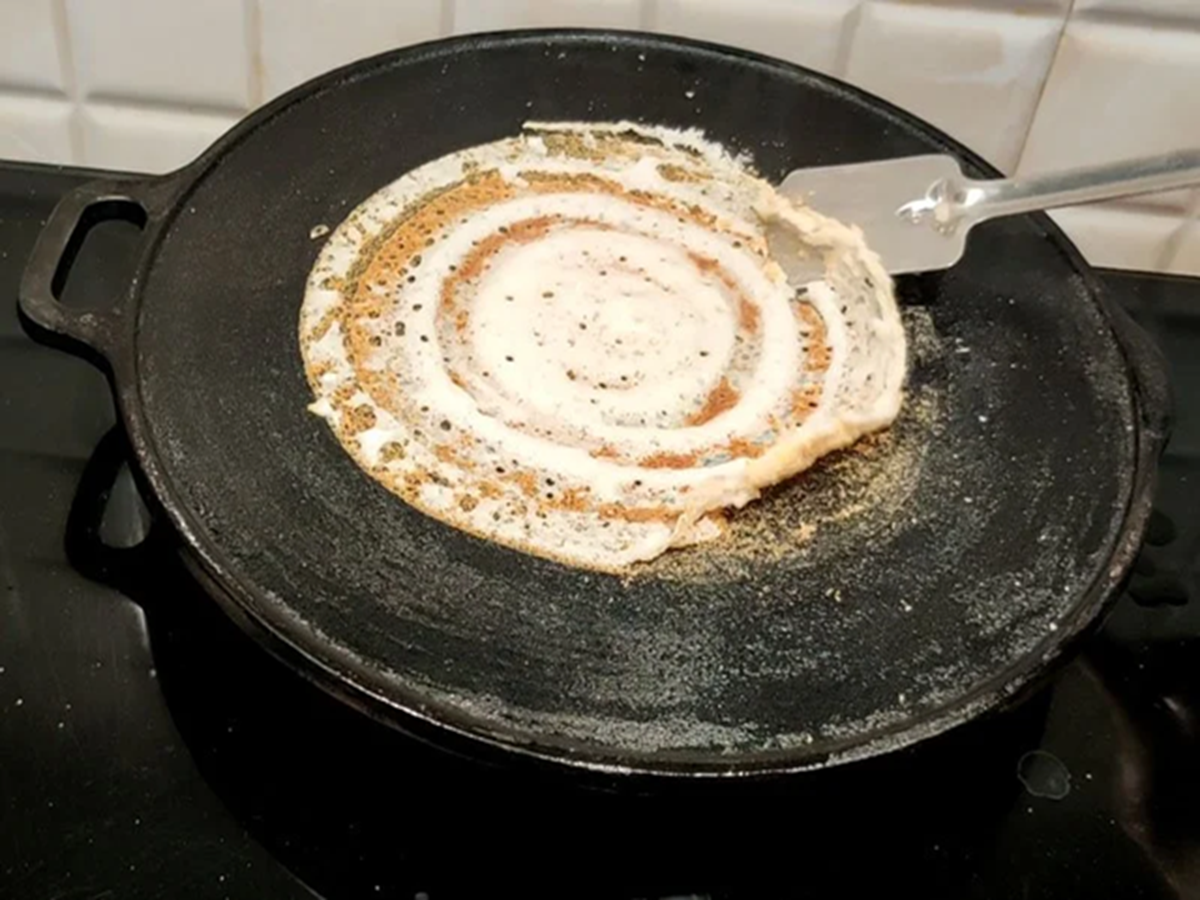
Making dosa is an art, and by keeping a few small details in mind, you too can make restaurant-quality dosas at home. Let’s first look at where we go wrong, and then explore tips to make them perfect.
4 Mistakes That Cause Dosa to Stick to the Griddle
**The griddle temperature is too high**
This is the most common mistake. If the griddle is too hot, the batter will stick and start cooking the moment it hits the surface. This makes it impossible to spread into a circle, causing the dosa to break in the middle.
**The batter is too thick or too thin**
If the batter is too thick, it won't spread properly and will turn out like a thick *chilla* (pancake). Conversely, if the batter has too much water, it will stick to the griddle and break when you try to flip it.
**Not greasing the griddle properly**
Especially when using an iron griddle, it is crucial to grease it well with oil beforehand. A dosa will inevitably stick to a dry or rough griddle.
**Flipping the dosa too soon**
We often try to loosen the edges before the dosa is fully cooked. You should not use a spatula or ladle on the dosa until the bottom has cooked thoroughly and turned golden brown. Tips for Making Crispy, Lacy Dosa Just Like the Ones You Get at the Market
If you want your dosa to turn out perfectly crispy, thin, and lacy, be sure to follow these tips the next time you make it:
The Right Ratio of Lentils and Rice: For the perfect batter, use 3 cups of rice and 1 cup of skinned *urad dal* (split black gram). To ensure crispiness and a beautiful color, definitely add a spoonful of *chana dal* (split Bengal gram) and half a teaspoon of fenugreek seeds.
Fermentation is Key: That signature lacy texture appears only when the batter has fermented well. After grinding the batter, cover it and let it sit in a warm place for at least 8 to 10 hours.
The Water-Sprinkling Technique: Heat the *tawa* (griddle) before spreading the dosa batter; sprinkle a little water on it and wipe it clean with a cotton cloth or tissue paper. Immediately after this, lower the flame and spread the batter.
Balancing the Heat: Always spread the dosa on a low flame. Once the batter is spread evenly, increase the heat to medium or high. This ensures the dosa cooks thoroughly and becomes perfectly crispy.
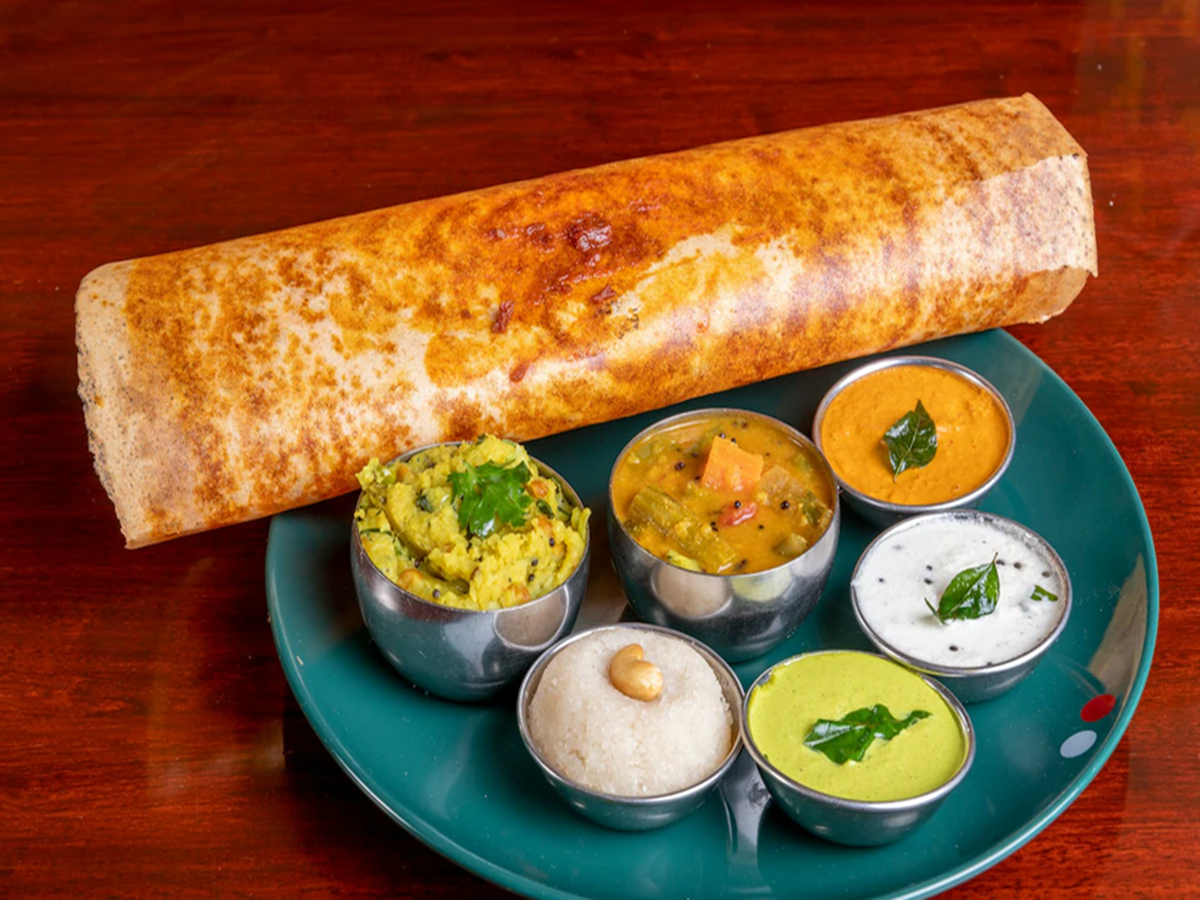
Timing for Oil or Butter: Do not add oil immediately after spreading the batter. Wait until the top of the dosa begins to dry slightly, then drizzle a little oil, ghee, or butter along the edges and in the center.
By following these simple methods, you can make authentic South Indian-style crispy, lacy dosas right in your own kitchen.
PC Social Media