LIFESTYLE
Who is at higher risk of a heart attack during Diwali? Learn about the warning signs and ways to prevent it..
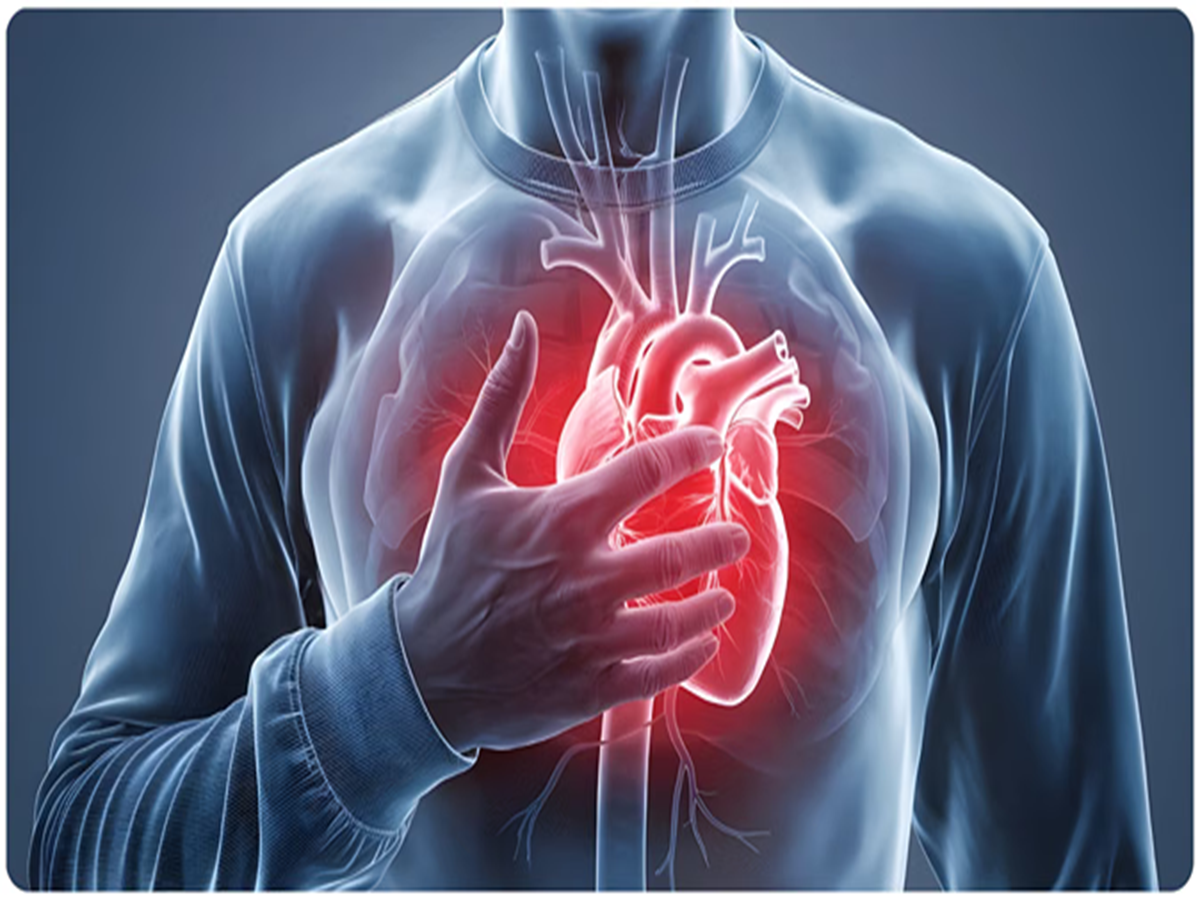
Heart Attack Risk During Diwali: Diwali is a festival of joy, lights, and sweets; however, the hustle and bustle of the festivities, combined with careless eating habits, can take a toll on your health. It is especially crucial for those with existing heart conditions to exercise caution during this period.
Often, people mistake symptoms like chest pain, shortness of breath, or sudden sweating for mere indigestion (gas) or fatigue—an oversight that can prove dangerous. Let’s explore who might be at a higher risk of a heart attack during Diwali and what precautions are necessary to keep your heart healthy.
Why might the risk of a heart attack increase during Diwali?
Diwali brings significant changes to one’s daily routine. Staying up late, irregular eating patterns, a lack of physical activity, and the stress of festive preparations can all impact heart health. Furthermore, smoke from firecrackers and air pollution can exacerbate issues for those already struggling with heart-related conditions.
Key factors that can affect heart health include:
Excessive consumption of fried foods: Foods high in fat and calories can, over time, increase cholesterol levels and the risk of heart-related issues.
High intake of sweets: Consuming too much sugar can make it difficult to manage blood sugar levels and body weight.
Excessive salt intake: Consuming more salt than necessary can contribute to an increase in blood pressure.
Lack of sleep: Not getting enough sleep can negatively affect blood pressure and metabolic health.
Air pollution: Fine particulate matter present in polluted air can have an adverse effect on the heart and blood vessels.
Mental stress: Persistent stress can impact heart rate and blood pressure.
Who is at a higher risk of a heart attack during Diwali?
1. Exercise caution if you are already a heart patient
Individuals who have previously suffered a heart attack, have blockages in their heart, or have undergone procedures like angioplasty or bypass surgery should take extra care. Such patients should take the medications prescribed by their doctor regularly. Do not alter the timing of your medication due to the festivities, and do not discontinue any medication without consulting your doctor.
2. Patients with High Blood Pressure
High blood pressure is often called a "silent killer" because it frequently presents no obvious symptoms. During Diwali, factors such as the consumption of high-sodium foods, stress, and a lack of sleep can affect blood pressure levels. Uncontrolled high blood pressure over a long period can increase the risk of heart attack and stroke.
What should you do?
Monitor your blood pressure regularly.
Limit your salt intake.
Take your medications on time.
Get adequate sleep.
3. Patients with Diabetes
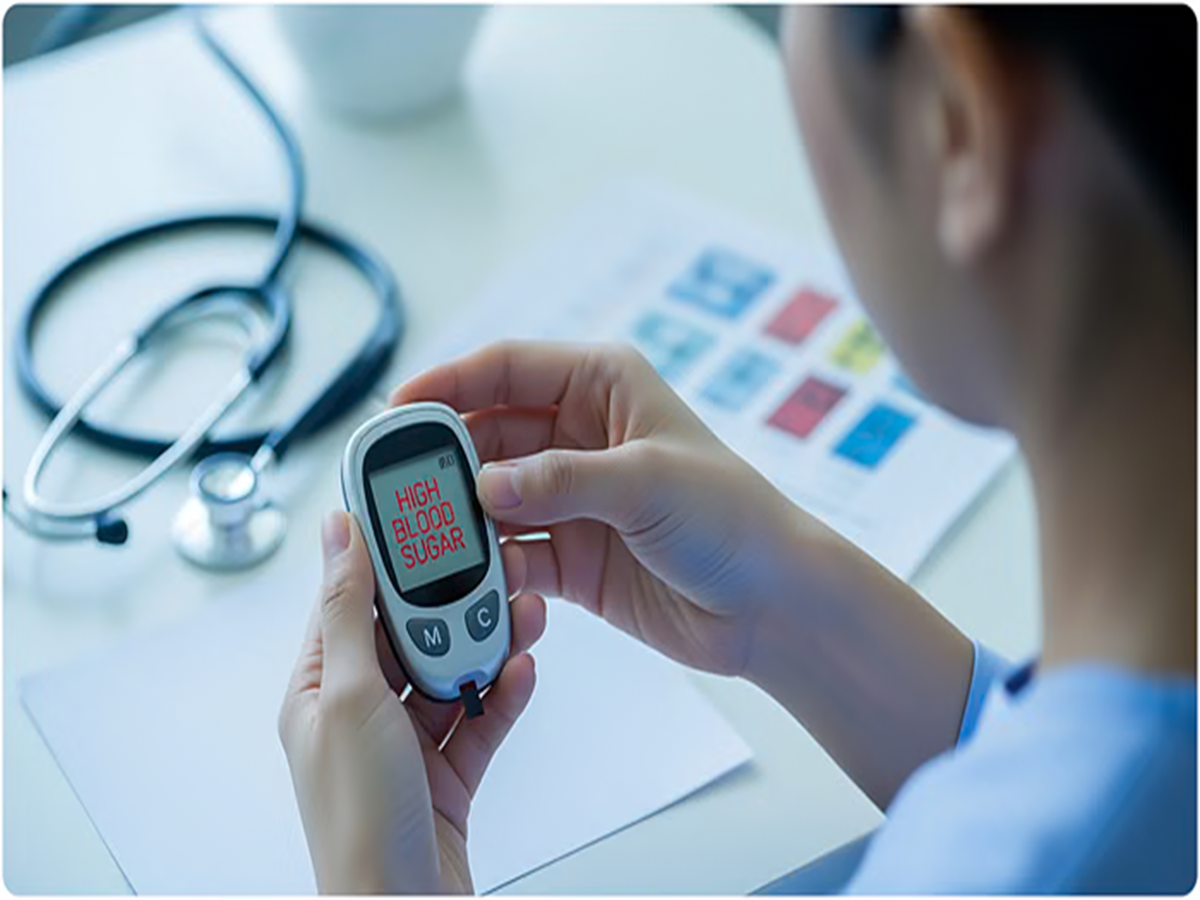
Patients with diabetes need to be extra vigilant regarding their heart health. Prolonged, uncontrolled blood sugar levels can damage blood vessels and the heart. During Diwali, the consumption of sweets and sugary beverages can cause blood sugar levels to spike.
What should you do?
Check your blood sugar levels regularly.
Limit the consumption of sweets.
Take medications as advised by your doctor.
Eat a balanced and nutritious diet.
4. Individuals with High Cholesterol
Those with high cholesterol levels should be cautious about their diet during Diwali. High levels of LDL—often referred to as "bad" cholesterol—can lead to the buildup of plaque in the arteries. This restricts blood flow and increases the risk of a heart attack. During the festive season, avoid consuming excessive fried foods, salty snacks, and items high in fat.
5. Individuals Struggling with Obesity
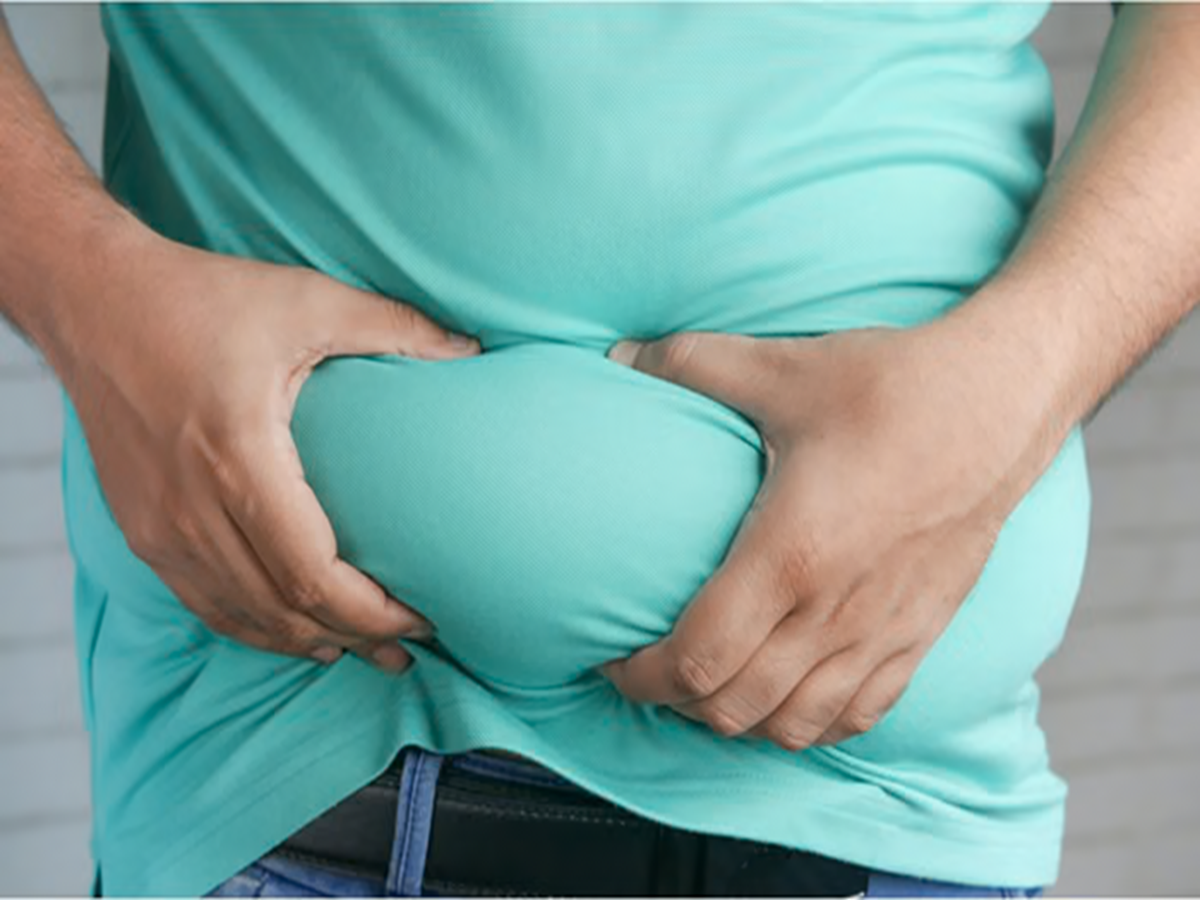
Excess weight and obesity can increase the risk of heart disease. Obesity is often accompanied by conditions such as diabetes, high blood pressure, and high cholesterol. During Diwali, habits like prolonged sitting while eating, excessive consumption of sweets, and a lack of physical activity can negatively impact your weight and metabolic health.
6. Smokers
The consumption of cigarettes and tobacco is harmful to heart health. It can damage blood vessels and increase the risk of a heart attack. During Diwali, exposure to smoke from firecrackers can further exacerbate the impact of air pollution. Therefore, refrain from smoking and avoid spending long periods in a polluted environment.
PC Social Media