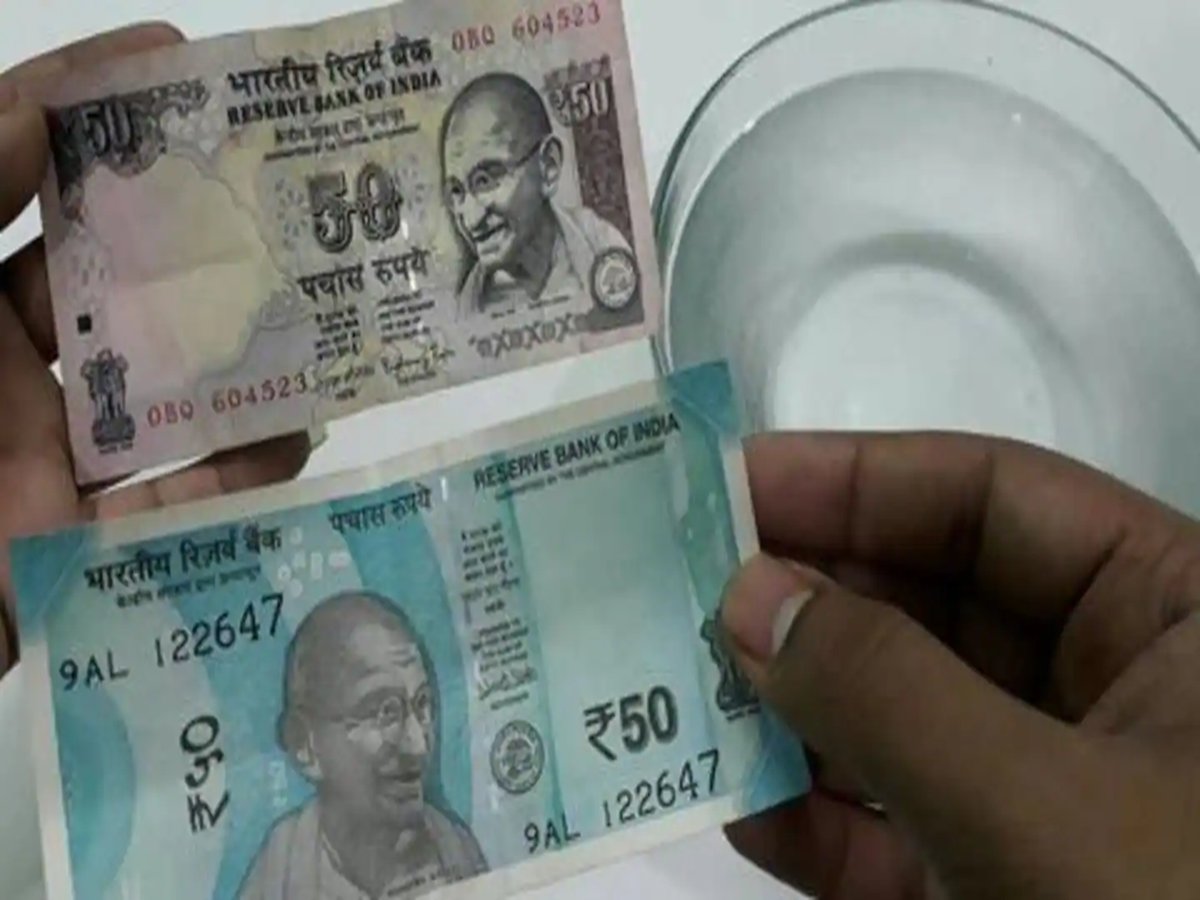
RBI Security Features for the ₹50 Note: While we often pay close attention to high-value banknotes when purchasing everyday items or vegetables, we tend to tuck smaller notes—such as those worth ₹50, ₹100, or ₹20—straight into our pockets or wallets without inspecting them. Fraudsters and con artists exploit this carelessness. Counterfeit ₹50 and ₹100 notes are currently circulating in the market.
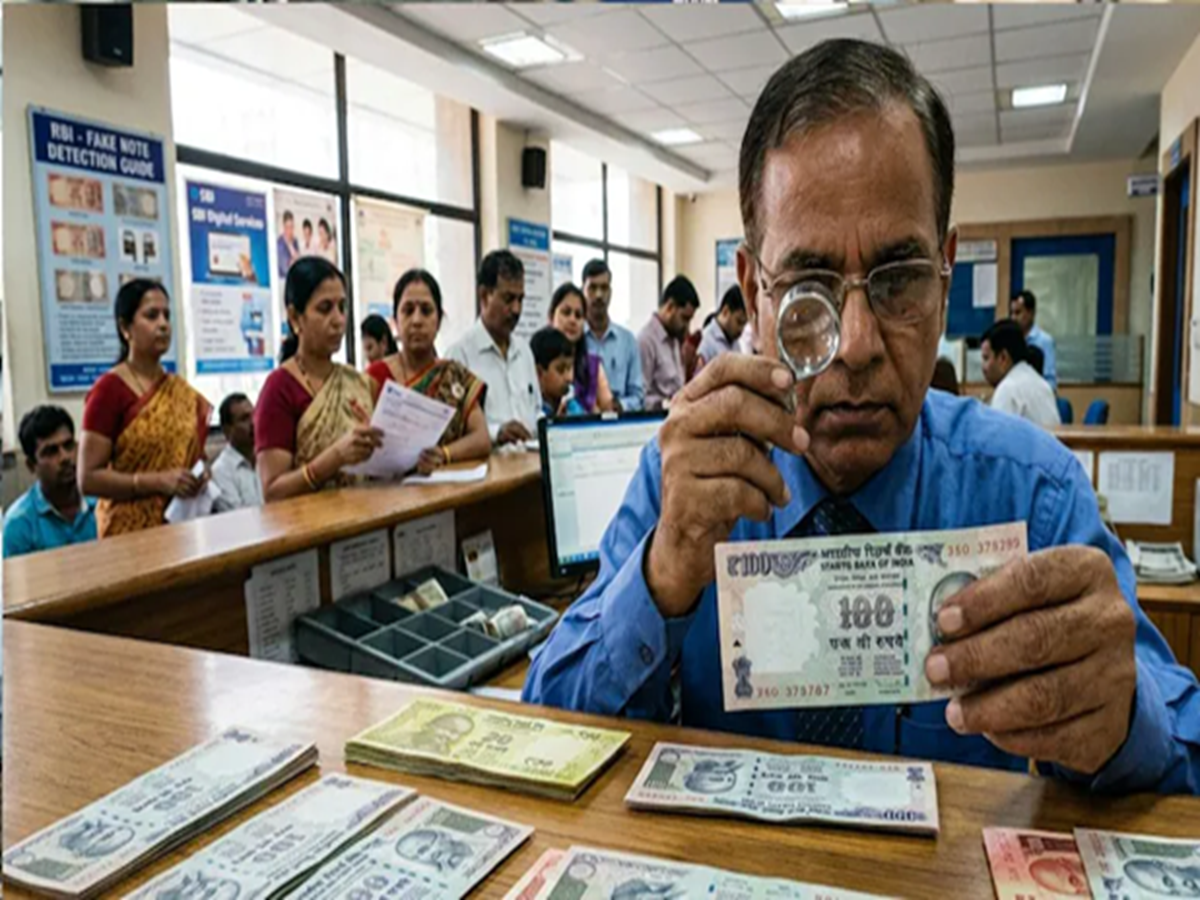
To avoid fraud and financial loss, the Reserve Bank of India (RBI) urges citizens to familiarize themselves with the security features present on banknotes. Here is how you can quickly distinguish between a genuine and a counterfeit ₹50 note.
An Easy Way to Identify a Genuine Note
The official RBI website provides comprehensive details regarding the design and security features of every currency note in the country. Genuine ₹50 and ₹100 notes incorporate intricate and fine details that are virtually impossible for counterfeiters to replicate or copy exactly. If you ever suspect a note's authenticity, you can verify it instantly by holding it against the light and checking for the security features listed below.
How to Identify the Notes
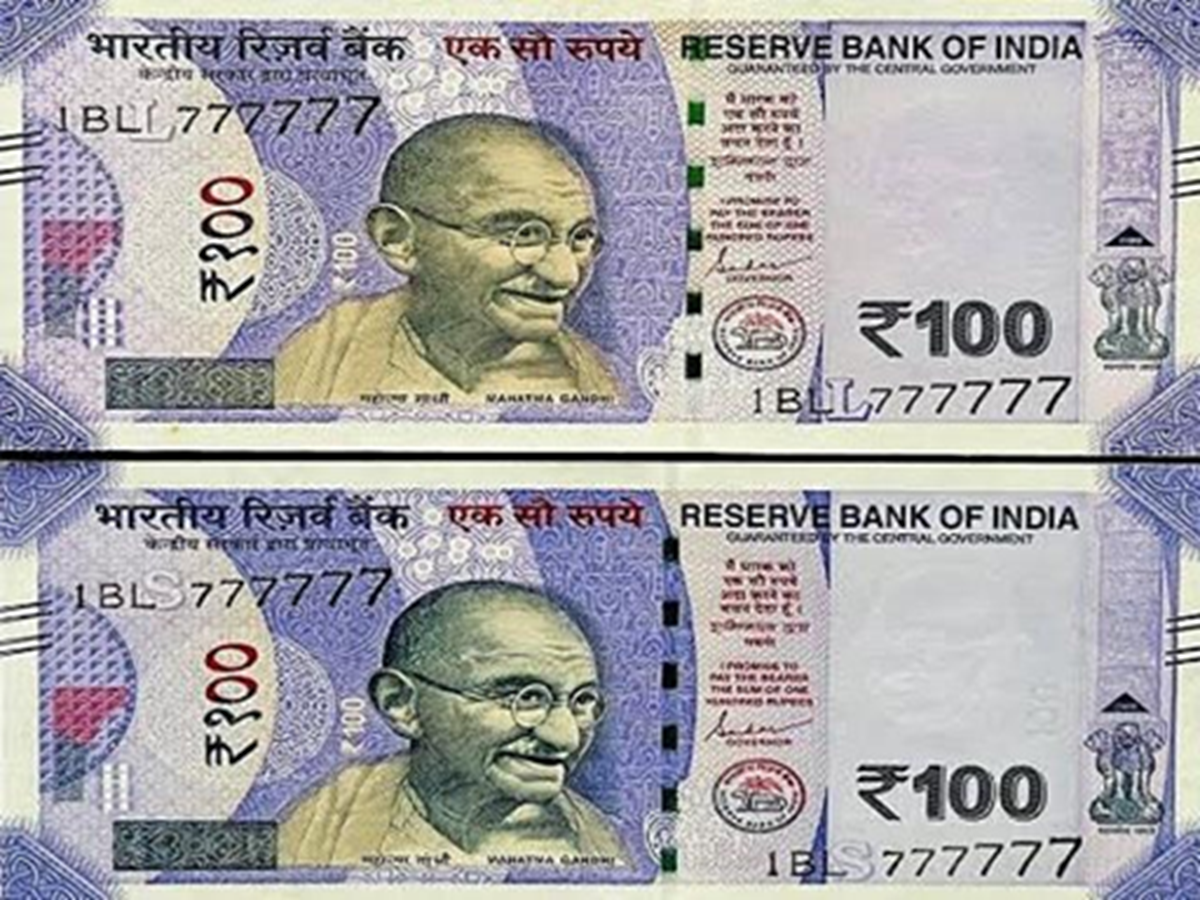
There is a "see-through window" on the bottom-left section of the note's obverse (front) side. When you hold the note against the light and tilt it slightly, the denomination—50 or 100—becomes clearly visible in that area.
In addition to the standard numeral, the denomination (50 or 100) is also printed in the Devanagari script.
A clear, raised portrait of Mahatma Gandhi is printed in the center of the note's obverse side.
The right side of the note features the RBI guarantee clause, the Governor's signature, the promise clause, and the official RBI logo.
The numerals of the serial number—printed on the top-left and bottom-right of the note—increase in size from left to right. The national emblem of India—the Ashoka Pillar—is depicted on the bottom right corner of the banknote.
While low-denomination notes may not seem significant for large purchases, they are the most frequently used in transactions. Therefore, the next time you receive a ₹50 or ₹100 note from a shopkeeper or anyone else, make sure to hold it up against the light and check the see-through number, the Ashoka Pillar, and the Governor's signature before putting it in your pocket. A little vigilance can protect you from fraud.
PC Social Media