LIFESTYLE
Caution: Following a low-carb diet for weight loss? Could you be unknowingly harming your heart?

Health experts advise everyone to improve their diet to keep their bodies healthy and fit. Doctors recommend that our meals should primarily consist of foods that provide the essential nutrients the body needs. Including foods rich in protein, fiber, and vitamins can make it easier to manage weight and control blood sugar levels.

Weight gain is considered a major cause of many diseases, and when it comes to weight management, you have likely heard a lot of discussion about low-carb diets. It is generally believed that reducing the intake of foods like roti, rice, bread, and potatoes—which are high in carbohydrates—can benefit one's health. However, it is important to note that such weight-loss diets may not be beneficial for everyone.
A study has found that low-carb diets can cause a rapid increase in "bad" cholesterol (LDL) in some individuals. Health experts have long warned that high LDL levels contribute to the buildup of fat in artery walls, narrowing the arteries and increasing the risk of heart attacks.
This raises the question: should one avoid low-carb diets? Let’s look at what experts discovered in the study.
**Risks of Low-Carb Diets**
Low-carbohydrate diets—which limit the intake of foods like roti, bread, and potatoes—are becoming increasingly popular. They are used for various purposes, ranging from weight loss and blood sugar control to the prevention of diabetes.
However, new research has raised concerns regarding this popular diet. The study found that following a low-carb diet can lead to a significant spike in cholesterol levels in some people. This can increase the risk of serious conditions such as heart disease, heart attacks, and strokes—issues that require vigilance.
High cholesterol causes the narrowing of arteries and increases the risk of heart attacks and strokes, leading to millions of deaths worldwide each year. It is worth noting that carbohydrate-rich foods are considered essential for providing energy to the body.
Previous studies have suggested that such diets increase "good" cholesterol (HDL) in the body. They can play a role in reducing excess fatty substances and fat deposits in the arteries. However, new research indicates that for individuals already at high risk of heart disease, these diets could lead to serious problems.
Alexa Barad, the lead author of the study, states that while low-carb diets may benefit some people, they are not necessarily beneficial for everyone.
Not every diet follows a "one-size-fits-all" formula; in other words, the benefits are not the same for everyone. The study found that individuals with a higher genetic risk of heart disease experienced the greatest increase in "bad" cholesterol (LDL) when consuming high levels of saturated fat.
What did the study reveal?
Researchers at the Stanford University School of Medicine sought to determine whether a person's genetics could indicate whether a low-carb diet would be beneficial for them. To do this, they analyzed data from a one-year trial involving over 600 adults.
Participants followed either a healthy low-carb or a healthy low-fat diet. Experts observed no significant difference in weight loss between the two diets. Subsequently, the researchers examined the genetic data of 431 participants, their saturated fat intake, and changes in bad cholesterol levels over a six-month period.
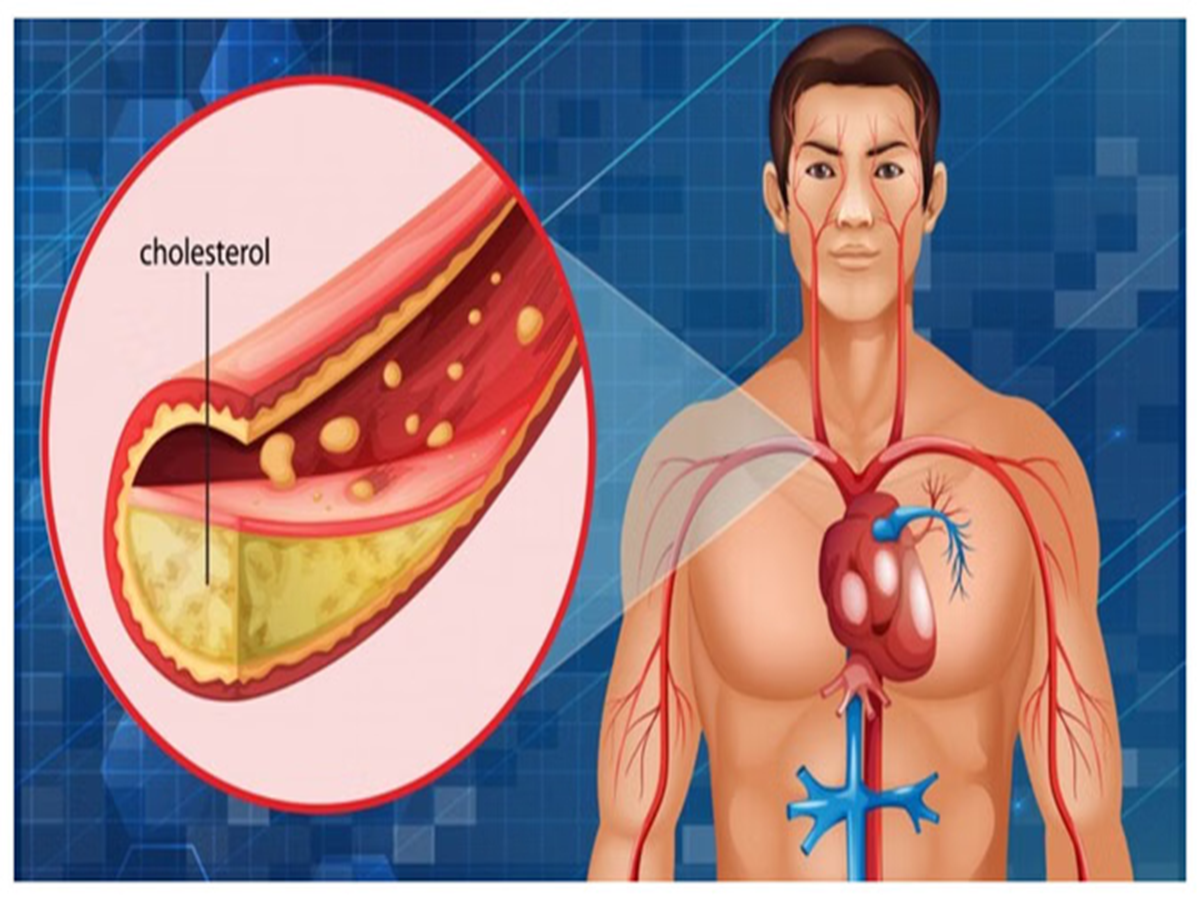
The study found that individuals with a genetic predisposition to elevated LDL levels experienced a greater increase in bad cholesterol while on a low-carb diet.
According to the researchers, one reason for this could be that when reducing carbohydrate intake, some people replace them with high-fat foods such as red meat and cheese.
PC Social Media