Business
Crude Oil Prices Slide Over 5% as Hopes Grow for Hormuz Shipping Revival; Brent Drops Near $79 a Barrel
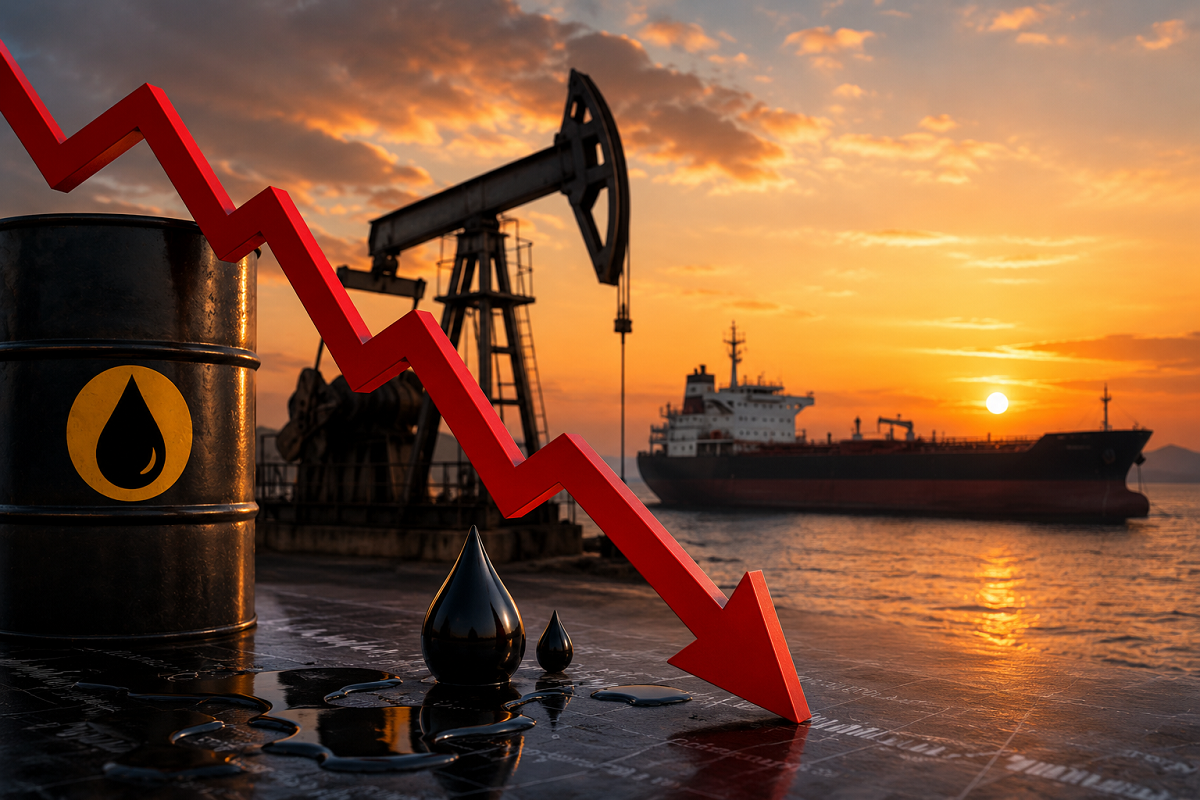
Crude Oil Price Today, August 5, 2026: Global crude oil prices extended their decline on Wednesday as growing optimism over a potential reopening of the Strait of Hormuz eased concerns about supply disruptions from the Persian Gulf. Brent crude slipped to around $79 per barrel, while U.S. benchmark West Texas Intermediate (WTI) also traded lower after investors reacted to signs of renewed diplomatic efforts between the United States and Iran.
The sharp fall follows a period of heightened volatility driven by geopolitical tensions in the Middle East, one of the world's most important oil-producing regions.
Brent and WTI Extend Their Losses
Crude oil markets remained under pressure during early trading as traders priced in the possibility of improved oil supply flows.
- Brent Crude: Around $79.14 per barrel
- WTI Crude: Around $75.06 per barrel
Brent crude has now fallen by more than 5%, while benchmark prices have declined by over 10% across the past two trading sessions, reflecting improving market sentiment regarding global oil supplies.
Why Are Crude Oil Prices Falling?
The latest decline has been driven primarily by expectations that negotiations aimed at restoring shipping through the Strait of Hormuz could reduce supply risks.
Recent diplomatic developments suggest progress in discussions involving the United States, Iran, and regional mediators. Investors believe that any agreement allowing commercial vessels to move safely through the strategic waterway would significantly improve crude oil exports from the Persian Gulf.
Since nearly one-fifth of the world's oil trade passes through the Strait of Hormuz, any disruption—or restoration—of shipping has an immediate impact on global energy prices.
Diplomatic Efforts Boost Market Confidence
Market sentiment improved after reports indicated that Qatar had prepared an interim diplomatic proposal while both the United States and Iran signaled progress in talks related to reopening the Strait of Hormuz.
According to reports, U.S. President Donald Trump also held discussions with Qatar's Emir, Sheikh Tamim bin Hamad Al Thani, regarding efforts to reduce regional tensions. While the White House confirmed the conversation, it did not disclose additional details.
The renewed diplomatic engagement has encouraged traders to believe that supply disruptions could ease if negotiations continue to move forward.
Iran Reportedly Considering Mine-Clearing Proposal
Another factor weighing on crude prices is speculation that Iran may permit European countries to assist in clearing naval mines from parts of the Strait of Hormuz.
Reports also suggest that discussions between Iran and Oman have focused on ensuring safe commercial navigation through the strategic waterway. If implemented, such measures could improve shipping security and support a gradual recovery in crude oil exports.
Although no final agreement has been announced, even the possibility of smoother maritime traffic has reduced fears of prolonged supply shortages.
Middle East Tensions Continue to Influence Oil Markets
Despite the recent optimism, analysts caution that geopolitical risks remain elevated.
The conflict between the United States and Iran has experienced several temporary ceasefires in recent months, but previous agreements have broken down quickly due to renewed tensions around the Strait of Hormuz.
Last month alone, Brent crude witnessed price swings of nearly $32 per barrel as military confrontations expanded beyond the Gulf and affected the Red Sea region. Although fighting briefly subsided to support diplomatic initiatives, those efforts eventually failed to produce a lasting resolution.
As a result, traders remain cautious, recognizing that fresh geopolitical developments could once again trigger significant volatility in energy markets.
Saudi Arabia Reportedly Holding Regional Talks
According to people familiar with the matter, Saudi Arabia has also engaged in discussions with Yemen's Houthi movement through Omani mediators in an attempt to prevent the conflict from widening.
At the same time, reports indicate that Saudi authorities are preparing contingency military plans should diplomatic negotiations fail to ease regional tensions.
These parallel diplomatic and security efforts continue to play a significant role in shaping expectations for global oil supplies.
U.S. Crude Inventories Show Higher Stock Levels
In addition to geopolitical developments, supply data from the United States has also contributed to weaker oil prices.
Industry estimates indicate that:
- U.S. crude oil inventories increased by 2.7 million barrels last week.
- Cushing, Oklahoma, the primary delivery hub for WTI crude, recorded an inventory build of 2.4 million barrels.
If confirmed by official government data, it would represent the largest weekly increase in Cushing stockpiles since March and push inventories back above the 20 million-barrel threshold, which is generally viewed as important for maintaining smooth market operations.
Higher inventories typically indicate adequate supply, reducing concerns over immediate shortages and placing downward pressure on prices.
What Does This Mean for Consumers?
A sustained decline in international crude oil prices could eventually support lower fuel costs, although domestic petrol and diesel prices in India also depend on factors such as:
- Rupee-dollar exchange rates
- Central and state taxes
- Refining and transportation costs
- Oil marketing company pricing policies
Therefore, any immediate impact on retail fuel prices may be limited unless lower crude prices persist over an extended period.
Outlook for the Oil Market
Oil markets are expected to remain highly sensitive to developments in the Middle East over the coming days. Investors will closely monitor diplomatic negotiations involving the United States, Iran, Qatar, Oman, and other regional stakeholders, along with official U.S. inventory data.
If shipping through the Strait of Hormuz resumes without disruption, crude prices could remain under pressure. However, any setback in negotiations or renewed geopolitical tensions may quickly reverse the recent decline.
Disclaimer: Commodity prices are influenced by global market conditions, geopolitical developments, currency movements, and supply-demand dynamics. Investors should carefully evaluate market risks and consult financial professionals before making investment decisions.