LIFESTYLE
Hemoglobin: This juice is a boon for those with low hemoglobin! Find out when and how to drink it..
Hemoglobin is responsible for transporting oxygen to various parts of the body, making it crucial to maintain normal levels. If a blood test reveals low hemoglobin, paying special attention to your diet is essential. Including foods rich in iron and other vital nutrients can provide the body with the necessary nourishment.
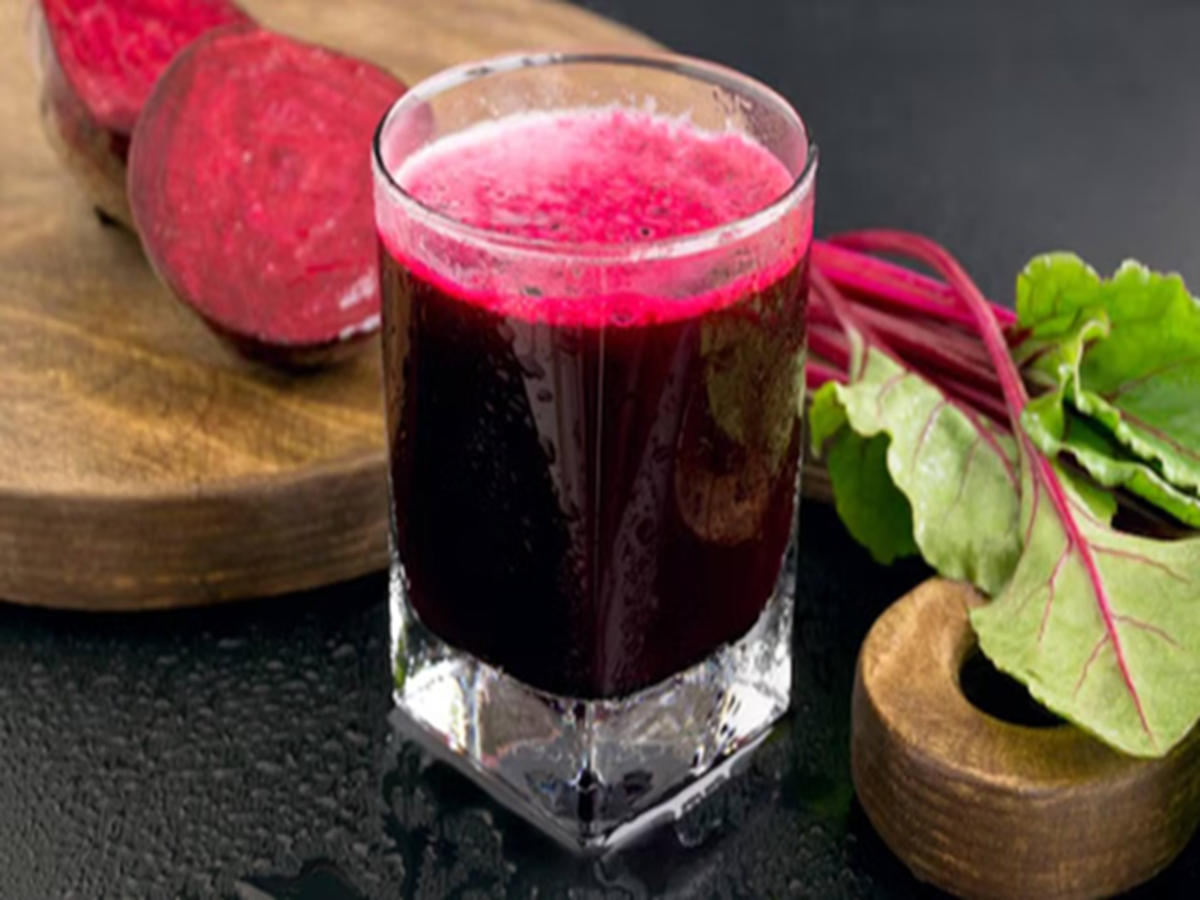
Beetroot juice can be a healthy option in this regard. Beetroots contain numerous nutrients and can be part of a balanced diet. If hemoglobin levels remain consistently low, it is important to identify the underlying cause and consult a doctor. Incorporating iron-rich foods into your diet is also vital. Here is some detailed information on this topic.
**Why is beetroot juice special? ****
Beetroots contain many essential nutrients and are considered part of a healthy diet. The nitrates present in them can help improve blood flow in the body. Beetroots also contain folate and some iron. However, it cannot be claimed that drinking beetroot juice alone will rapidly increase hemoglobin levels. If hemoglobin is low, a comprehensive iron-rich diet is necessary.
**How to make beetroot juice?**
Take a fresh beetroot, wash it thoroughly, and peel it. Cut it into small pieces and place them in a juicer or blender. Add a little water as needed to prepare the juice. You can add lemon juice for flavor; the Vitamin C in lemon helps the body absorb iron from plant-based sources. Avoid adding excessive sugar to the juice.
**Do not rely solely on juice for hemoglobin**
If hemoglobin levels are low, drinking beetroot juice alone is not enough. Include foods like spinach, chickpeas (chana), kidney beans (rajma), red lentils (masoor dal), beans, sesame seeds, and other iron-rich foods in your diet. Consuming Vitamin C-rich foods—such as amla (Indian gooseberry), lemon, orange, and guava—alongside these can aid in iron absorption. It is advisable to avoid junk food during this time.
**Be mindful of tea and coffee consumption**
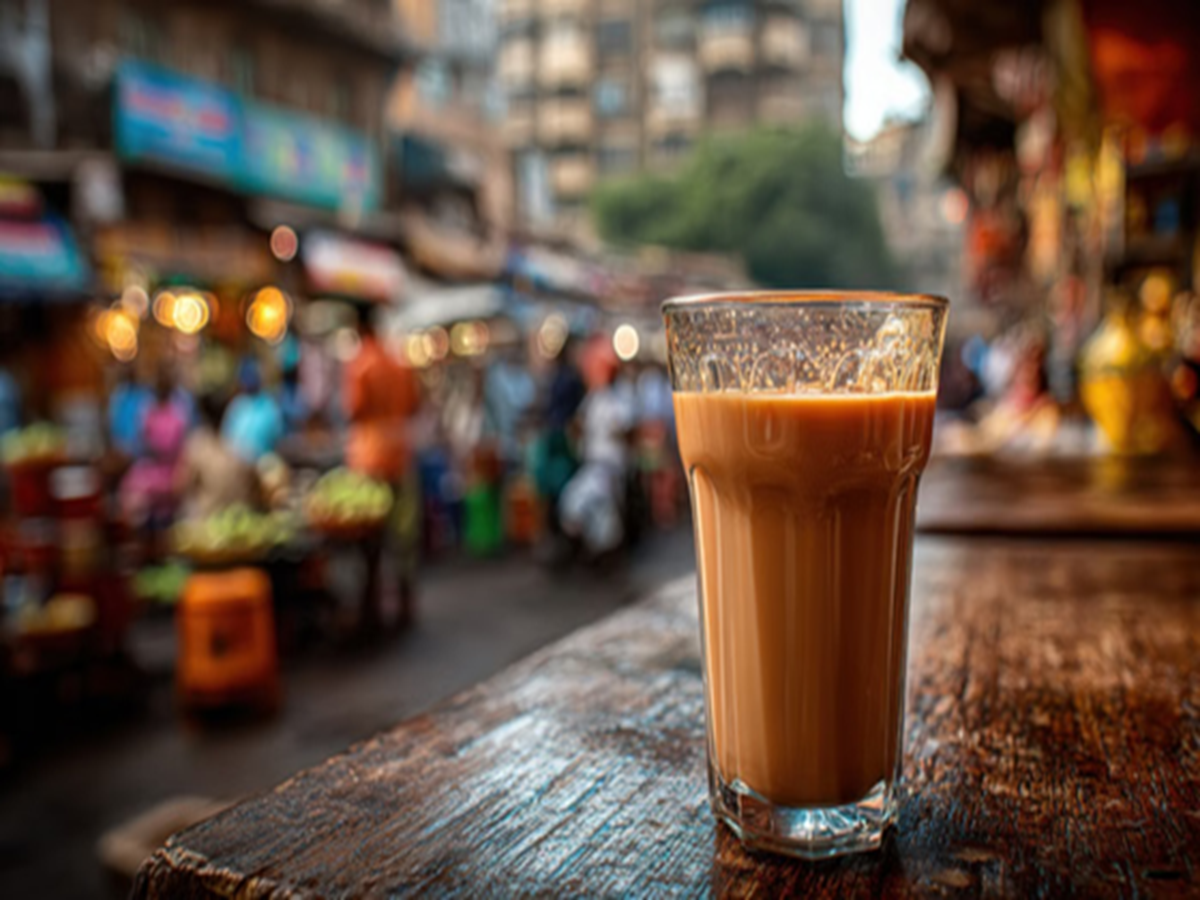
If you have an iron deficiency, it is best to avoid drinking tea or coffee immediately after a meal. Certain compounds present in these beverages can interfere with iron absorption; therefore, you should maintain a gap between consuming iron-rich foods and drinking tea or coffee.
**When should you get your hemoglobin tested?**
If you frequently experience fatigue, weakness, dizziness, headaches, or shortness of breath upon slight exertion, it is advisable to get your hemoglobin levels checked. If the test results indicate low hemoglobin, consult a doctor to determine the underlying cause. Depending on the situation, the doctor may recommend iron supplements or other treatments.
PC Social Media