
LIFESTYLE
Is your prayer room in the right direction? Learn the essential Vastu rules for placing and cleaning your home temple..
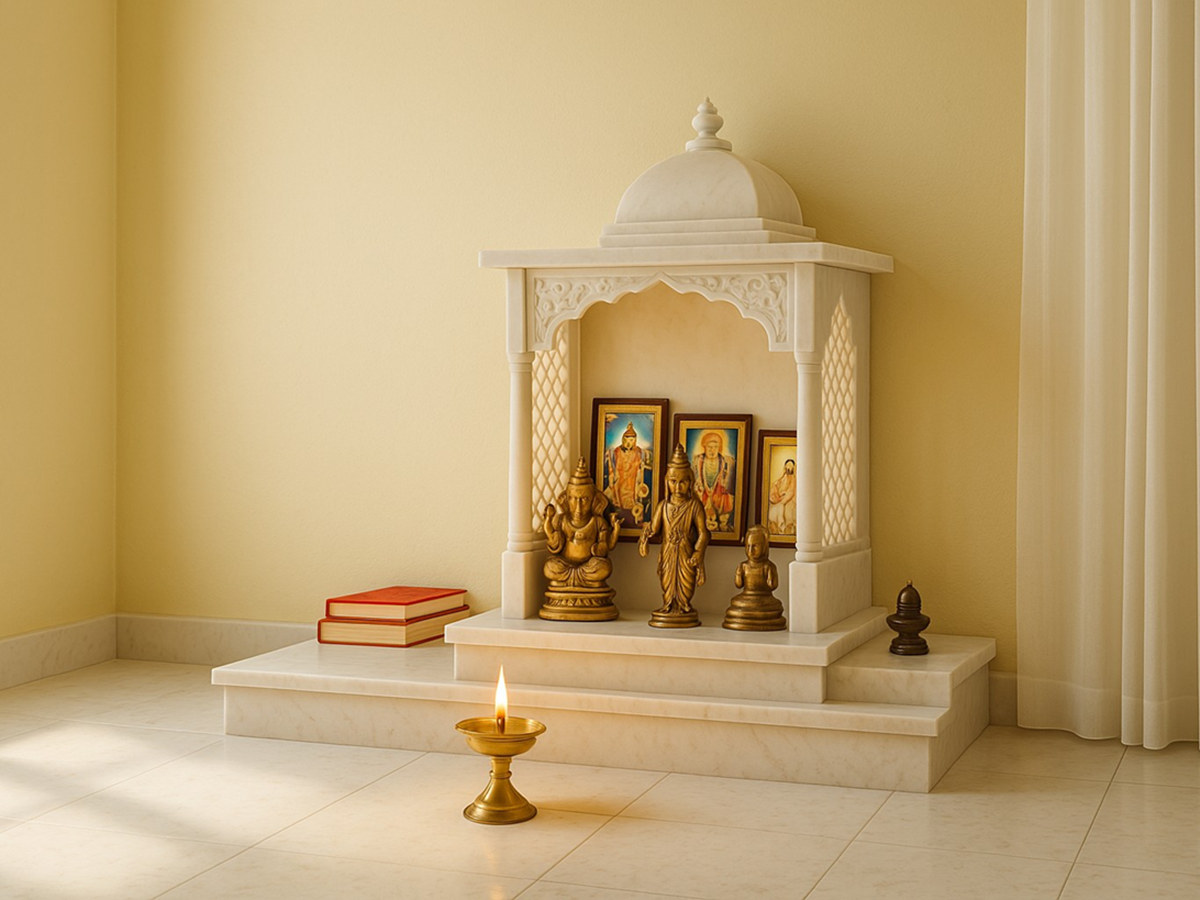
Rules for Cleaning the Home Temple: The home temple is a space where people not only worship but also seek peace of mind and positive energy. While we often worship daily, we sometimes overlook the finer details regarding the cleaning of the temple. According to the beliefs of Astrology and Vastu Shastra, cleanliness holds special significance in the place of worship. A clean and organized temple helps maintain a positive atmosphere in the home. Conversely, certain mistakes can compromise the sanctity of the worship area. Let us explore the proper way to clean the temple and the associated religious guidelines.
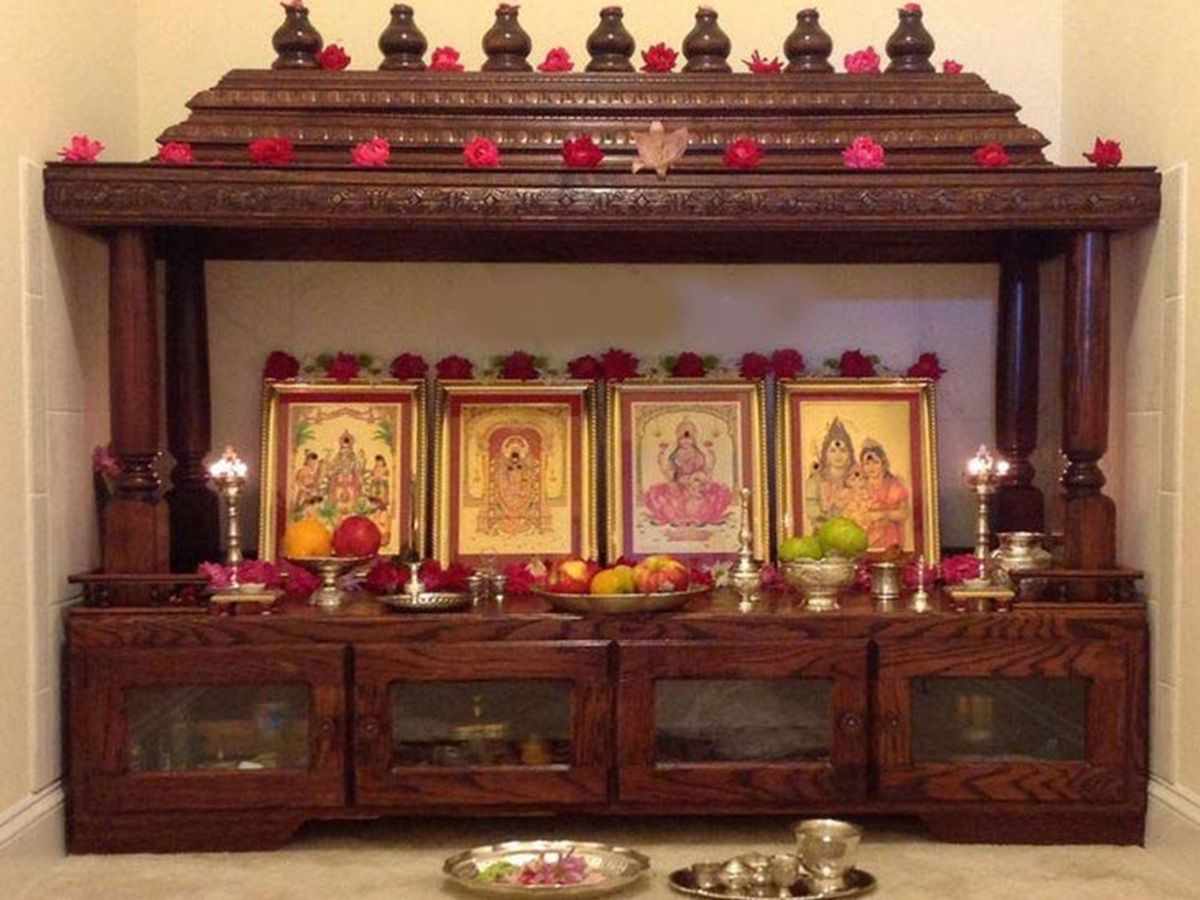
What is considered an auspicious time for cleaning the temple?
According to astrological beliefs, the morning is considered the best time to clean the temple. Cleaning the worship area after sunrise—when the atmosphere is calm and positive—is deemed auspicious. Many people clean the temple before performing their morning prayers, as it is believed to infuse the space with fresh energy. However, one should not rush the cleaning process; it is essential to handle the idols of deities and worship materials with reverence.
Points to keep in mind while cleaning the temple
How should the idols of deities be cleaned?
When cleaning the temple, the idols should first be gently wiped with a clean cloth. Astrological beliefs suggest that dust should not be allowed to accumulate on the idols for long periods. If the idols are washed with water, they must be thoroughly dried before being placed back in their spot; placing wet idols in the temple is generally discouraged.
Do not keep clutter or unwanted items in the worship area
According to Vastu principles, broken idols, withered flowers, damaged worship materials, or useless items should not be kept in the prayer room, as this is believed to diminish the temple's positivity. In many households, people leave old flowers in the temple for days; however, religious traditions suggest that it is better to remove withered flowers regularly.
Mistakes to avoid during cleaning Cleaning the temple should not be treated like ordinary household cleaning. Some people use brooms or soiled cloths in the place of worship, which is not considered appropriate from a religious perspective; it is believed that a separate cloth should be used specifically for cleaning the temple. Additionally, maintaining a calm mind and a positive attitude while cleaning is considered essential.
Is it auspicious to clean the temple with salt or Gangajal (holy water from the Ganges)?
In many religious traditions, Gangajal is considered sacred and is sprinkled in the temple from time to time. Meanwhile, some people clean the floor with salt-infused water after the initial cleaning. According to beliefs in astrology and Vastu, salt is thought to dispel negative energy; however, these are matters of faith rather than scientific fact.
Small yet important details regarding temple cleaning
Items in the home temple—such as lamps, incense sticks, the *puja* (worship) thali, and other materials—should be kept organized. Cluttered or scattered worship materials can detract from the temple's beauty and orderliness. Many families undertake a special cleaning of the temple on Fridays or before festivals. Cleanliness is accorded special importance on occasions associated with the worship of Goddess Lakshmi.
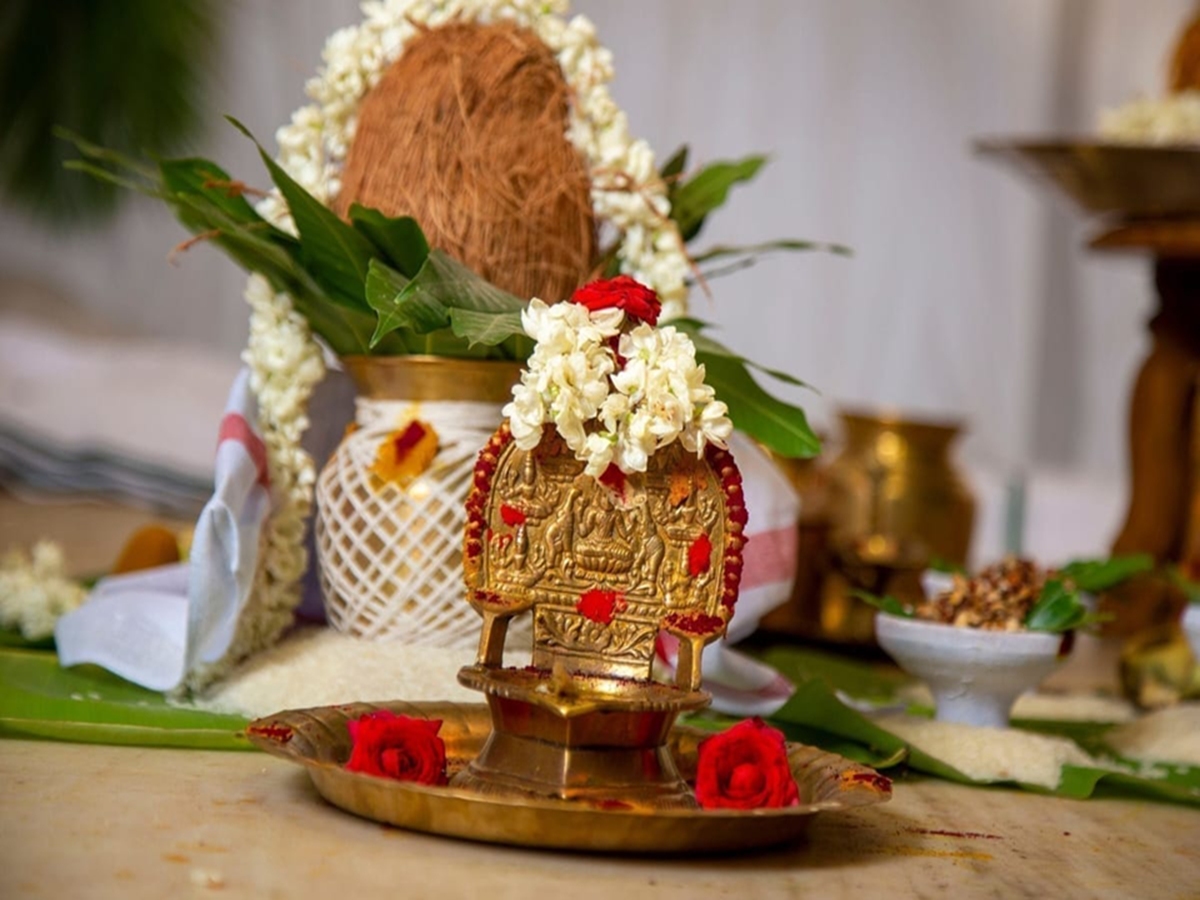
Cleaning the temple is not merely a household chore; for many, it is a process deeply connected to faith and emotion. According to astrological and Vastu beliefs, a clean, organized, and sacred place of worship helps foster a positive atmosphere in the home. Therefore, while cleaning the temple, it is most important to combine the observance of guidelines with a sense of reverence and respect.
PC Social Media