LIFESTYLE
Kanwar Yatra 2026: Dos and Don'ts for the Kanwar Yatra – Learn the complete rules for Jalabhishek..
Kanwar Yatra 2026: With the arrival of the month of Sawan, an atmosphere of unique devotion and faith permeates the entire country. During this period, lakhs of devotees embark on a long pilgrimage on foot—known as the Kanwar Yatra—carrying holy water from sacred sites like Haridwar, Gaumukh, and Sultanganj. This journey is not merely about fetching and offering water to Lord Shiva; it is also a test of discipline, restraint, and sincere faith. Religious scriptures outline several rules and traditions associated with the Kanwar Yatra, adherence to which is considered essential.
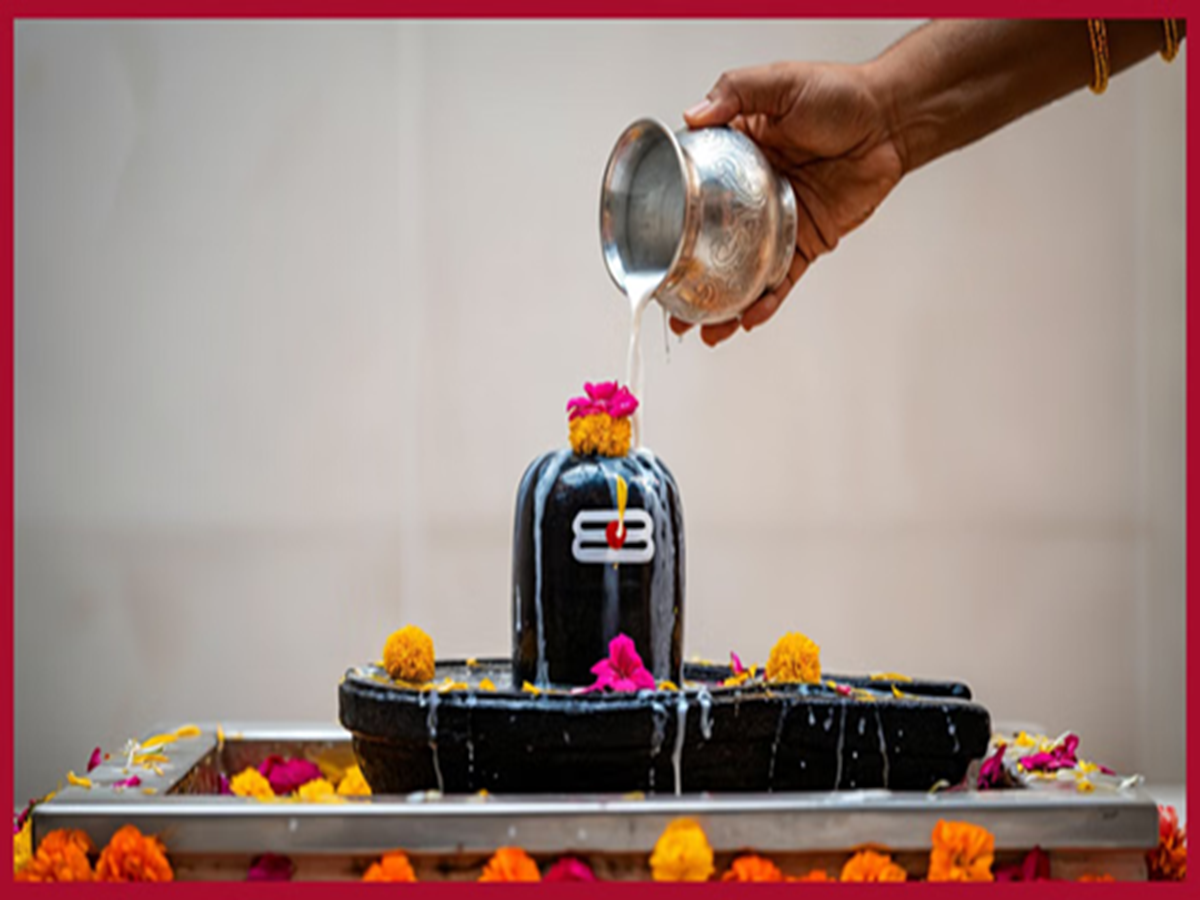
To whom is the Kanwar water offered?
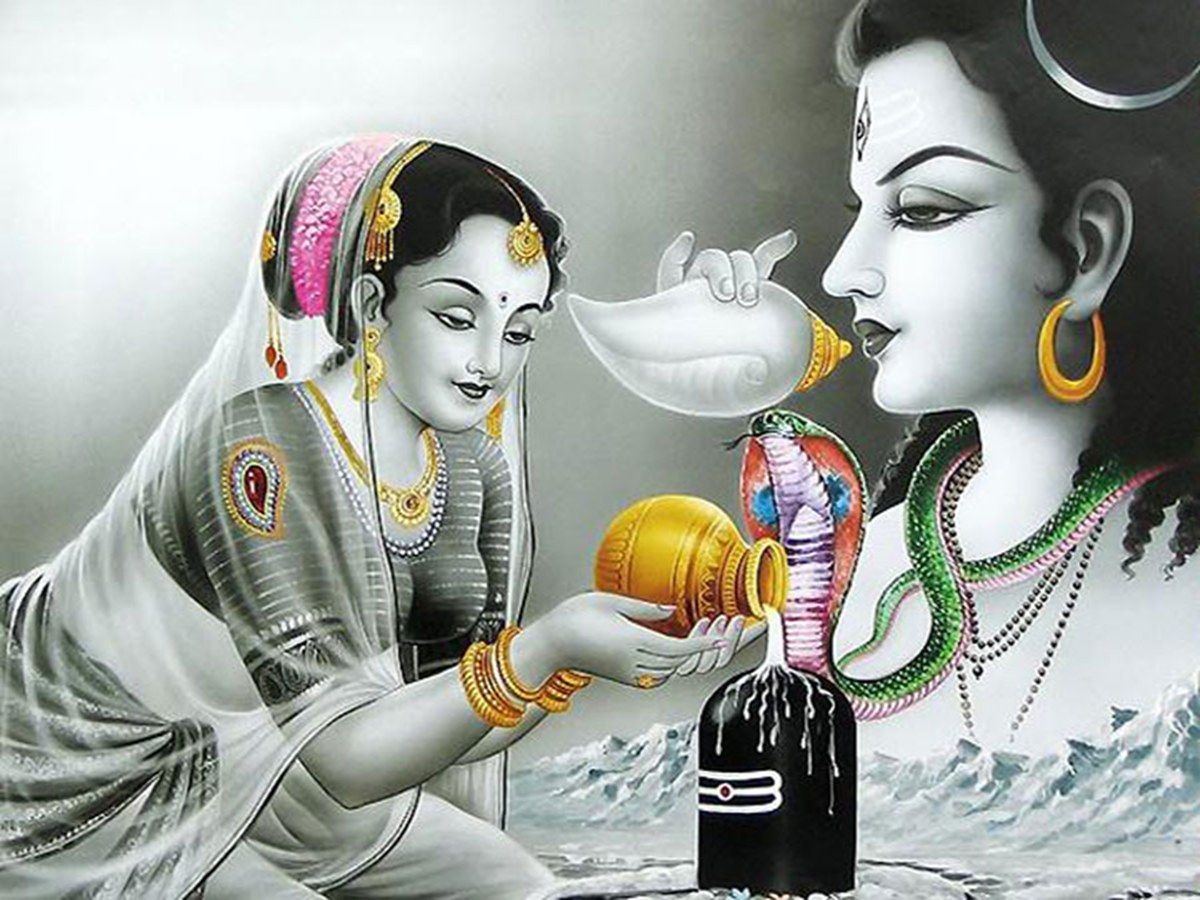
The primary objective of the Kanwar Yatra is to perform *Jalabhishek* (ritual bathing with water) for Lord Shiva. According to mythology, Lord Shiva held the poison that emerged during the *Samudra Manthan* (Churning of the Ocean) in his throat, causing an intense burning sensation in his body. At that time, the deities offered water from sacred rivers to provide him relief and coolness. Continuing this tradition, devotees of Shiva still bring Ganga water during Sawan to offer upon the Shivling.
The correct method of performing *Jalabhishek*
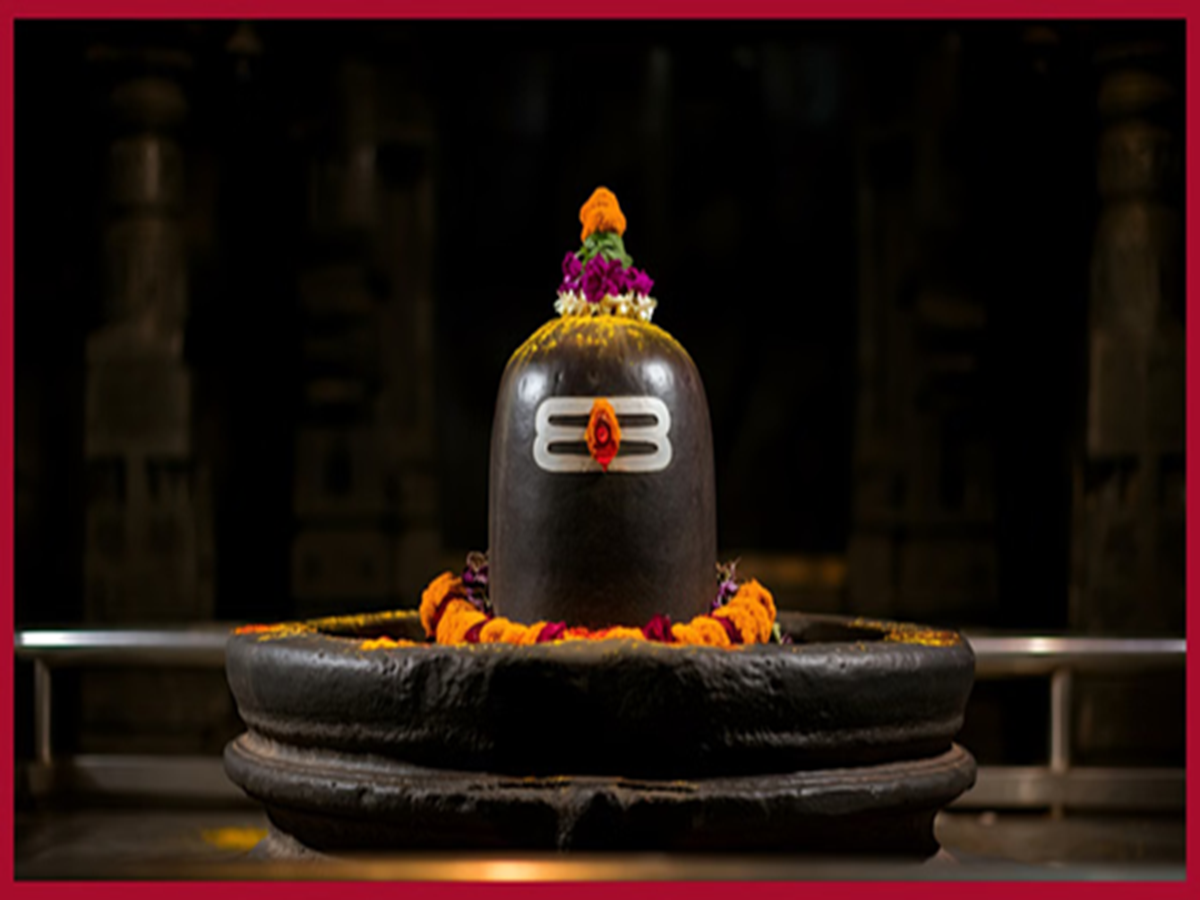
It is important to observe specific rituals while offering water to the Shivling. First, purify yourself physically and mentally. Before entering the temple, wash your hands and feet, calm your mind, and continuously chant ‘Om Namah Shivaya’. Facing the north direction while performing *Jalabhishek* is considered auspicious, as it is believed to be the abode of Lord Shiva.
The process of offering water follows a specific sequence. First, offer a few drops of water to the right and left sides of the *Jaladhari* (the base/receptacle surrounding the Shivling), which are considered dedicated to Lord Ganesha and Lord Kartikeya. Next, offer some water to the central part, and finally, gently pour a steady stream of Ganga water over the Shivling. After the *Abhishek*, a partial circumambulation (*parikrama*) of the Shivling is performed, and stepping over the *Jaladhari* is strictly prohibited.
Pay special attention to these rules
Adhering to the rules during the Kanwar Yatra is crucial, as even a minor error can render the pilgrimage incomplete. The *Kanwar* must never be placed on the ground. During rest intervals, it should be hung on a raised platform or a stand. If the *Kanwar* touches the ground, the water is considered impure.

Furthermore, the use of leather items is prohibited during the journey. Consuming *sattvic* food and abstaining from intoxicants are also mandatory. One must not touch the *Kanwar* without bathing after using the toilet or resting.
PC Social Media