
LIFESTYLE
Old Indian Houses: Why was a raised platform built outside old houses? You will be amazed to learn the real reason..
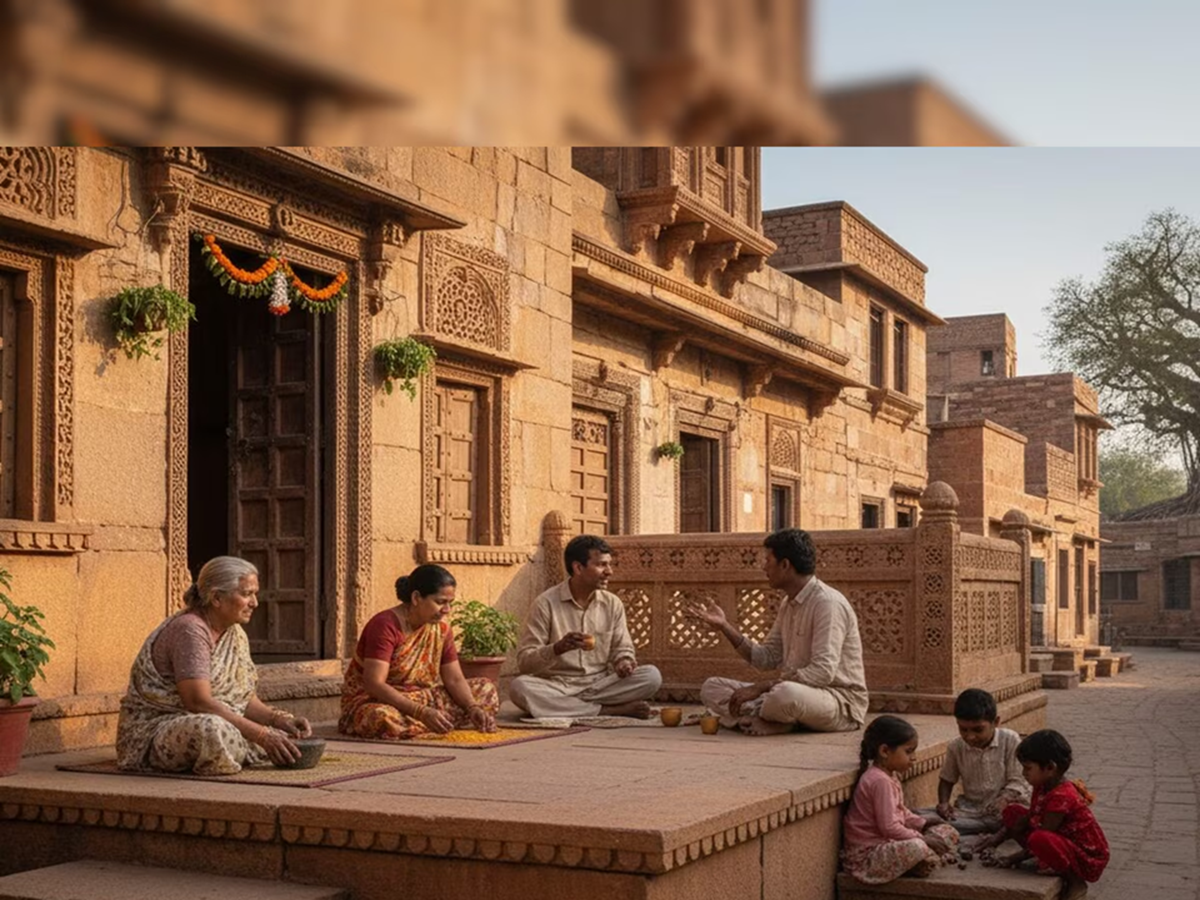
Old Indian Houses: Have you ever noticed the raised platform built outside old village homes? While this sight is rare in modern buildings today, there was a time when having such a platform—known as a *chabutra*—in front of almost every house was considered essential. At first glance, it might appear to be merely a place to sit, but its true significance went far beyond that. It was designed with considerations for home security, family privacy, social connections, and daily needs.
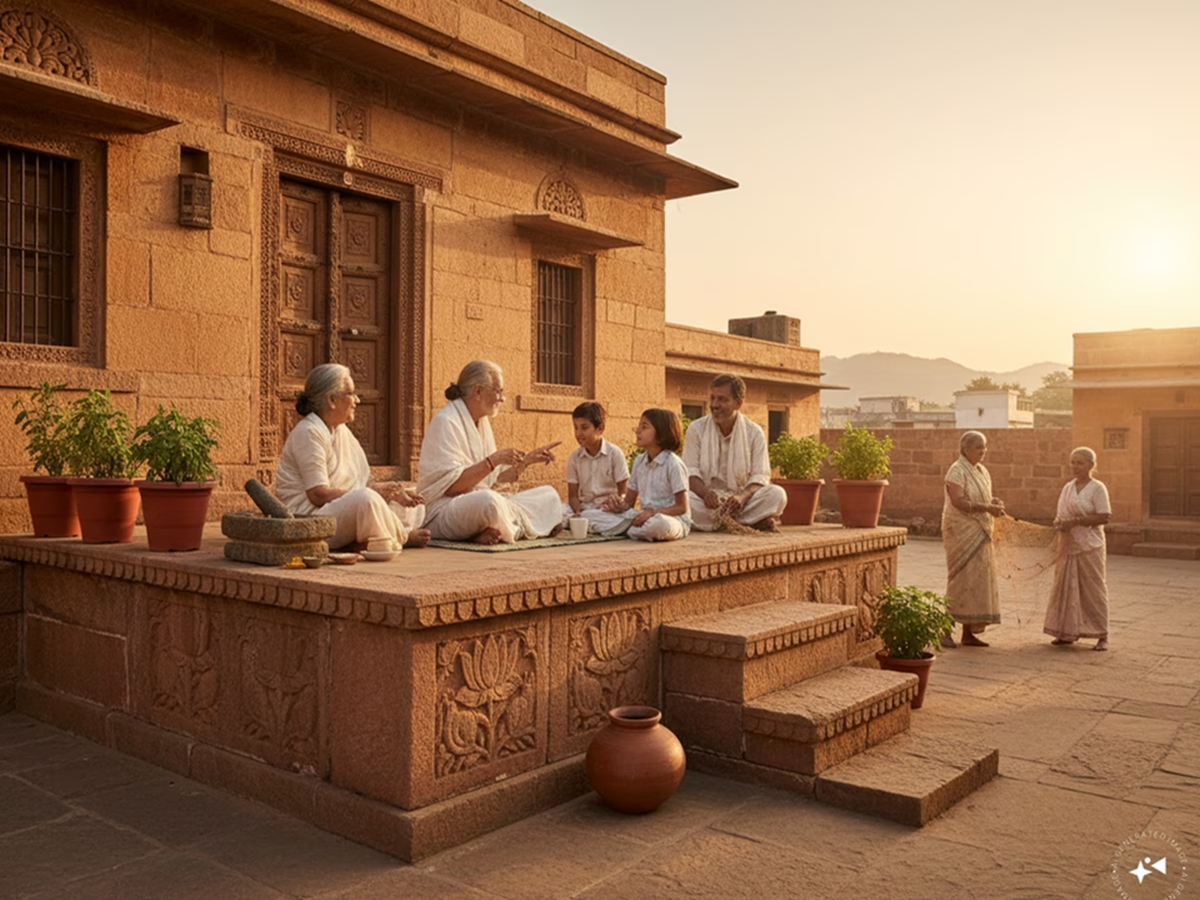
Although these platforms gradually disappeared due to changing lifestyles and modern construction styles, the philosophy behind them remains just as relevant today. That is why the *chabutra* is invariably mentioned whenever old Indian homes are discussed. Let us explore why our ancestors considered it a vital part of the home and what made it so special.
A Favorite Spot for Socializing
Today, we have mobile phones and social media for communication, but in the past, the *chabutra* outside the house was the easiest way for people to meet and interact. As evening fell, village elders, neighbors, and children would gather there. Some would share stories about their day, while others discussed farming or village affairs. Consequently, the *chabutra* was not merely a structure of brick and stone; it was the hub of the neighborhood's social life, fostering a sense of camaraderie and trust among the people.
Playing a Crucial Role in Maintaining Household Privacy
1. A Distinct Way of Welcoming Guests
In the past, family privacy within the home was highly valued. If a guest or an outsider arrived, they were seated on the *chabutra* rather than being taken directly inside. This ensured that the household members—especially the women—did not feel uncomfortable. It also allowed domestic chores to continue without interruption. This arrangement was considered highly practical, aligning perfectly with the social needs of that era.
2. A reliable companion for daily chores
It was a highly convenient space for women; in the past, most household tasks were performed in the open air. Women would sit on the *chabutra* (raised platform) to clean grains, chop vegetables, sort lentils, and dry *papads* or pickles in the sun. It was also the most comfortable spot to bask in the sun during winter. While working, they could chat with neighboring women, fostering a sense of camaraderie and warmth in domestic life.
3. Protection against rain, dust, and mud
There was a practical rationale behind constructing the *chabutra* at an elevated level in traditional homes. During the rainy season, water from the street or courtyard would not flow directly into the house. This kept the floors dry and made cleaning easier. Moreover, it largely prevented dust, dirt, and mud from entering the home. Since paved roads and modern drainage systems did not exist back then, this method proved to be highly effective.
4. Protection against insects and pests
Because the house was raised above ground level, small insects, ants, and other crawling creatures could not easily enter. This benefit was particularly evident during the monsoon season. While modern construction techniques exist today, the *chabutra* served as a natural way to enhance home protection in that era.
Why did the *chabutra* disappear with changing lifestyles?
The use of the *chabutra* gradually declined due to space constraints in cities, the rising trend of multi-story buildings, and modern architectural styles. Nowadays, people prioritize parking spaces, gardens, or porches over creating open areas outside their homes.
However, one can still find such houses in many villages and old towns, where the *chabutra* keeps the tradition of social interaction and communal sitting alive. It is considered not merely a style of construction but a hallmark of Indian social life and family culture.
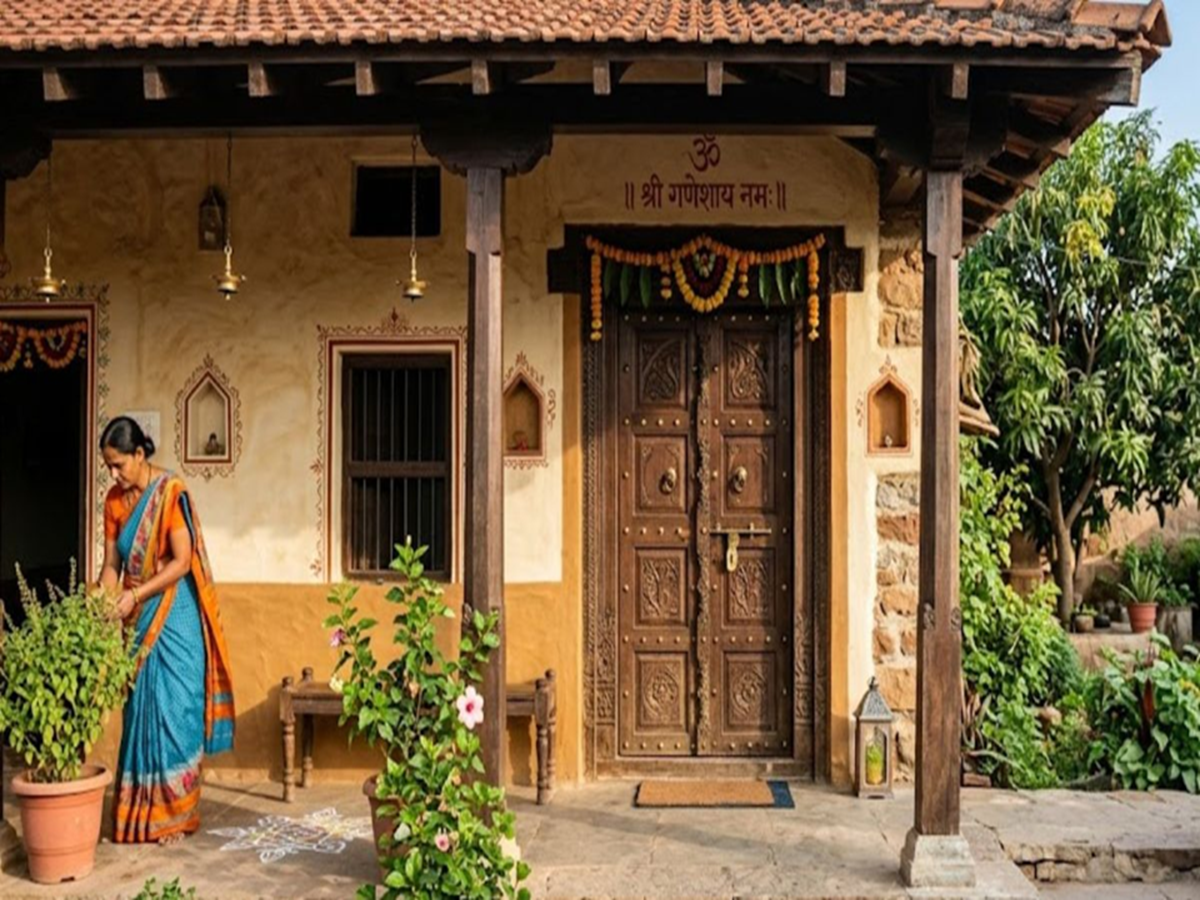
Why is the *chabutra* still remembered today? Experts believe that traditional Indian homes were not built merely for aesthetic appeal; rather, every part served a practical purpose. The *chabutra* (raised platform) is a prime example of this. It was a simple yet effective feature that helped strengthen social bonds, maintain household privacy, facilitate daily chores, and provide protection against the elements. That is why, even today, when traditional Indian architecture is discussed, the significance of the *chabutra*—situated outside the home—is invariably acknowledged.
PC Social Media