LIFESTYLE
What should you eat for Karwa Chauth 'sargi'? Follow these tips to avoid weakness and dehydration..

Best Sargi Foods to Stay Fit and Hydrated: The Karwa Chauth fast holds great significance for married women. On this day, women observe a *nirjala* (waterless) fast, praying for their husbands' long lives and a blissful marital life. The fast begins with *sargi*—a meal consumed before sunrise. It is crucial to include the right items in your *sargi* to ensure your body remains energized throughout the day, while also minimizing the risk of weakness, fatigue, and dehydration.
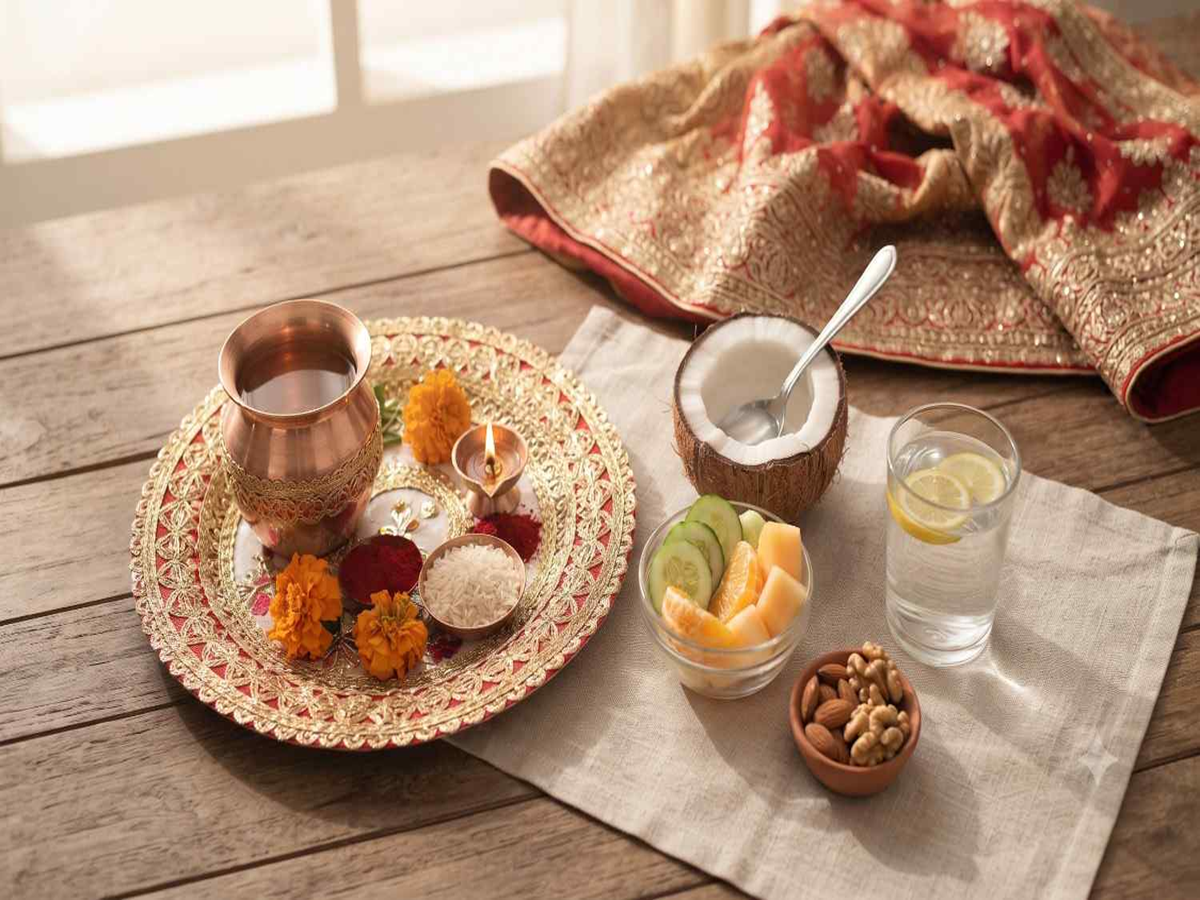
If you wish to stay fit and active this Karwa Chauth, consider including nutrient-rich foods in your *sargi* platter. These items can provide essential nourishment and help maintain hydration. Let’s explore what you should eat for *sargi* to ensure your well-being while observing the fast.
What to eat for Karwa Chauth *sargi*?
1. Start your day with dry fruits
Almonds, walnuts, cashews, raisins, and dates are excellent choices for *sargi*. They are packed with healthy fats, fiber, and various essential nutrients. These help provide energy and keep you feeling full for longer. However, be sure to consume them in moderation.
2. Include water-rich fruits for hydration
You can include fruits like watermelon, oranges, apples, pomegranates, and papaya in your *sargi*. These are rich in water, vitamins, and fiber. They help replenish fluids in the body and add nutritional value to your pre-dawn meal.
3. Incorporate milk and yogurt into your diet
Milk and yogurt are good sources of protein and calcium. They not only enhance the nutritional value of your *sargi* but also help keep you feeling full. If you have any issues with dairy, you may choose an alternative that suits your personal tolerance.
4. Stay hydrated with coconut water
Coconut water contains water and electrolytes like potassium. Consuming it during *Sargi* can help replenish fluids in the body. However, it should not be considered a substitute for drinking plain water throughout the day.
5. Include complex carbohydrates
You can include items like oats, *daliya* (broken wheat/porridge), whole-grain bread, or a light serving of *poha* in your *Sargi* meal. These provide carbohydrates, which are the body's primary source of energy. Pairing them with protein and healthy fats makes the meal more balanced.
6. Limit sweets and fried foods
If you wish to have traditional sweets during *Sargi*, you may consume them in small portions. However, it is best to avoid excessive amounts of sugary, deep-fried, or salty foods, as these can increase thirst, cause a feeling of heaviness, or lead to abdominal discomfort.

Keep these points in mind while having your *Sargi* meal:
Drink enough water: Consume an adequate amount of water before the fast begins, but avoid drinking a large quantity all at once.
Eat a balanced meal: Instead of consuming only sweets or fruits, ensure a balance of carbohydrates, protein, and healthy fats.
Avoid excessive tea or coffee: High caffeine intake can cause restlessness or sleep disturbances in some individuals.
Prioritize your health: If you have conditions such as diabetes or kidney disease, are pregnant, or are on regular medication, consult your doctor before undertaking a prolonged fast without water (*nirjala upvas*).
PC Social Media