LIFESTYLE
Which offering is Lord Ganesha's favorite? Making the right offering creates auspicious conditions—learn about the complete tradition..
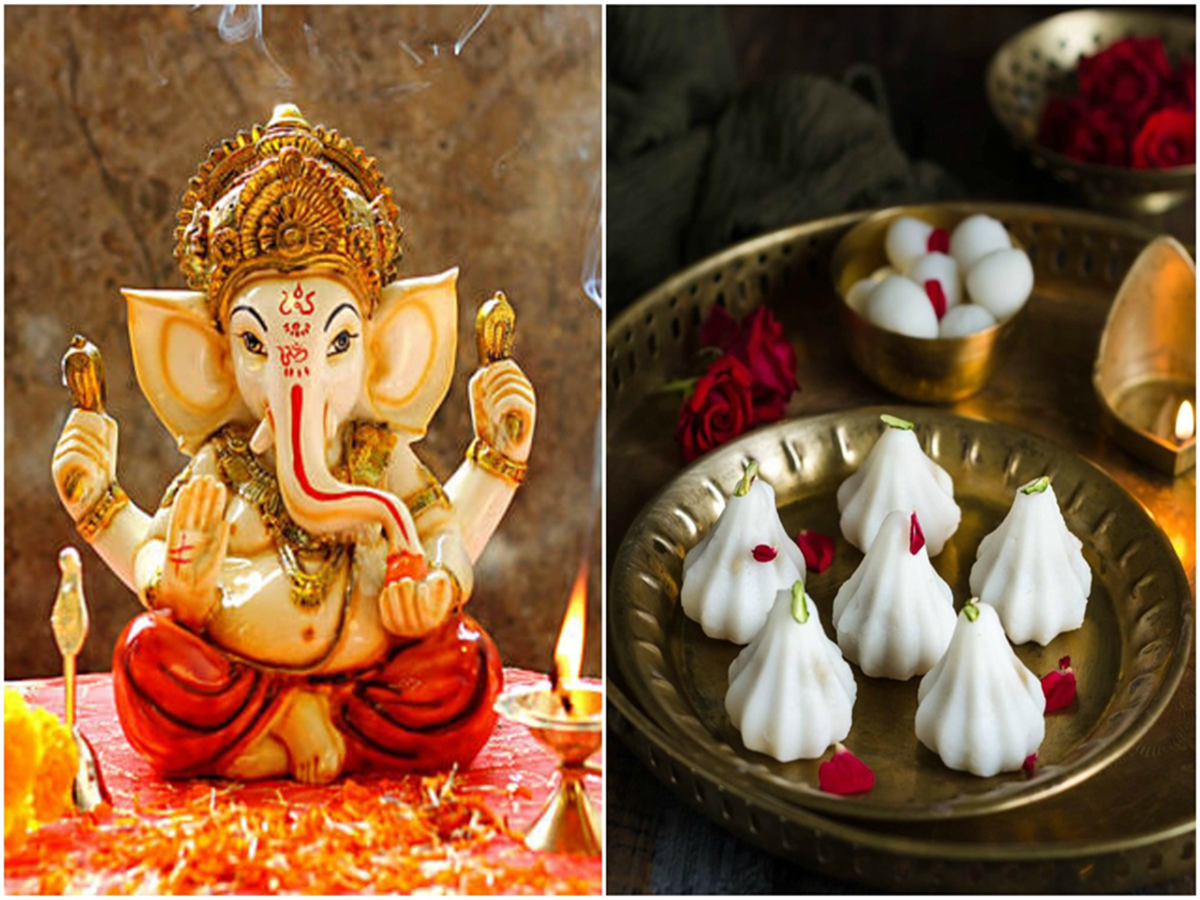
Offerings for Lord Ganesha: Worshipping Lord Ganesha is considered the auspicious beginning of any new venture. Whether it is a new home, a new job, a wedding, or the start of any special task, Lord Ganesha is invoked first. However, people often wonder which offering (*bhog*) is considered the most auspicious for Ganpati Bappa. While many simply offer sweets, religious beliefs highlight specific items that are particularly dear to Lord Ganesha. It is said that offering the right *bhog* with devotion pleases the deity quickly, leading to blessings that remove obstacles from life.
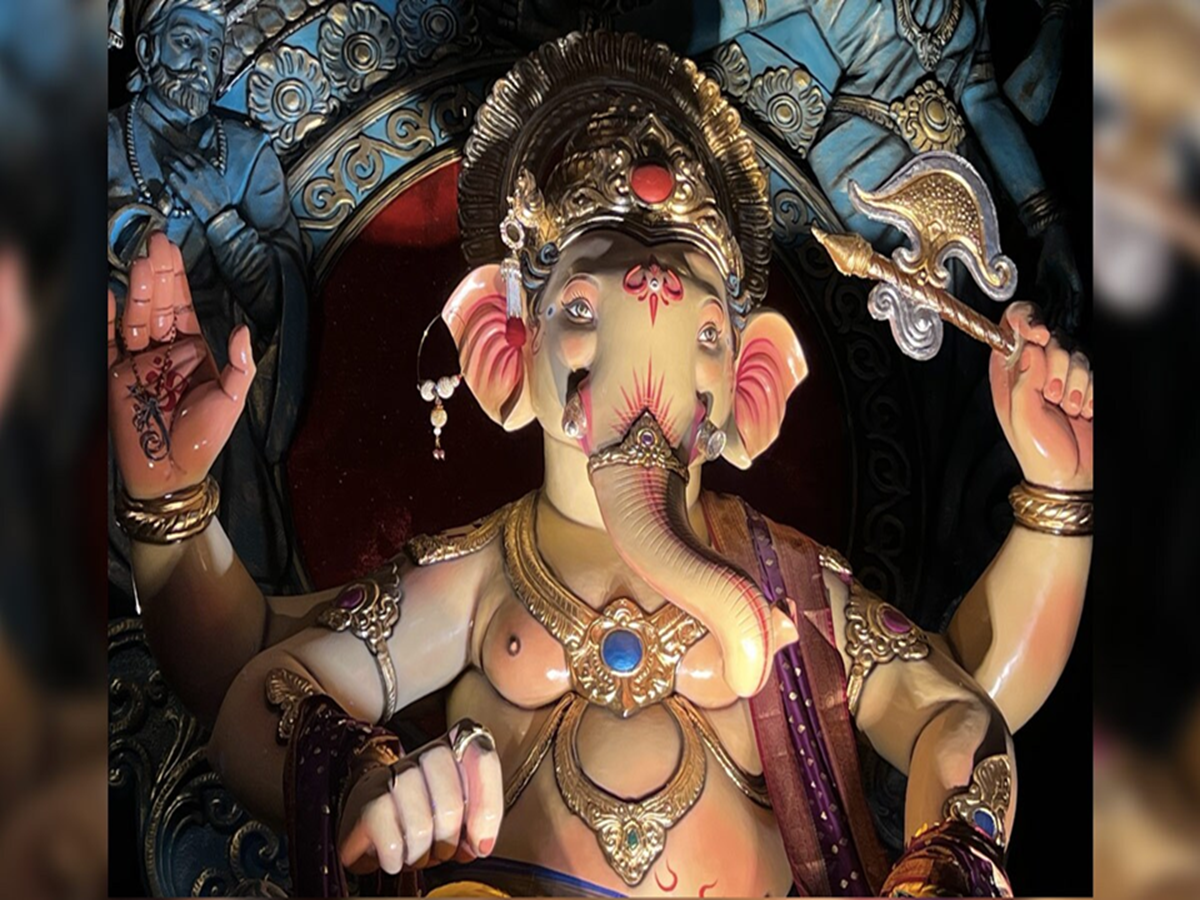
Although devotion and a sincere heart are paramount in worship, traditions ascribe special significance to certain offerings. Let us explore the offerings made to Lord Ganesha, their religious significance, and the points to keep in mind during worship.
**Modak: Lord Ganesha's Favorite Offering**
The mention of Lord Ganesha immediately brings *Modak* to mind. According to religious beliefs, *Modak* is considered His favorite offering. There is a long-standing tradition of offering steamed *Modaks* or those filled with coconut and jaggery. Offering 21 *Modaks* is considered auspicious; if making them at home is not feasible, they can be purchased from the market and offered with devotion.
**1. Special Significance of Laddoos**
Apart from *Modak*, *Besan* (gram flour) laddoos and *Boondi* laddoos are also considered very dear to Lord Ganesha. Many temples regularly offer laddoos as *bhog*. Laddoos are believed to symbolize prosperity, sweetness, and happiness. Distributing them as *Prasad* to family members and others after the worship is also considered auspicious.
**2. Significance of Offering Durva Grass**
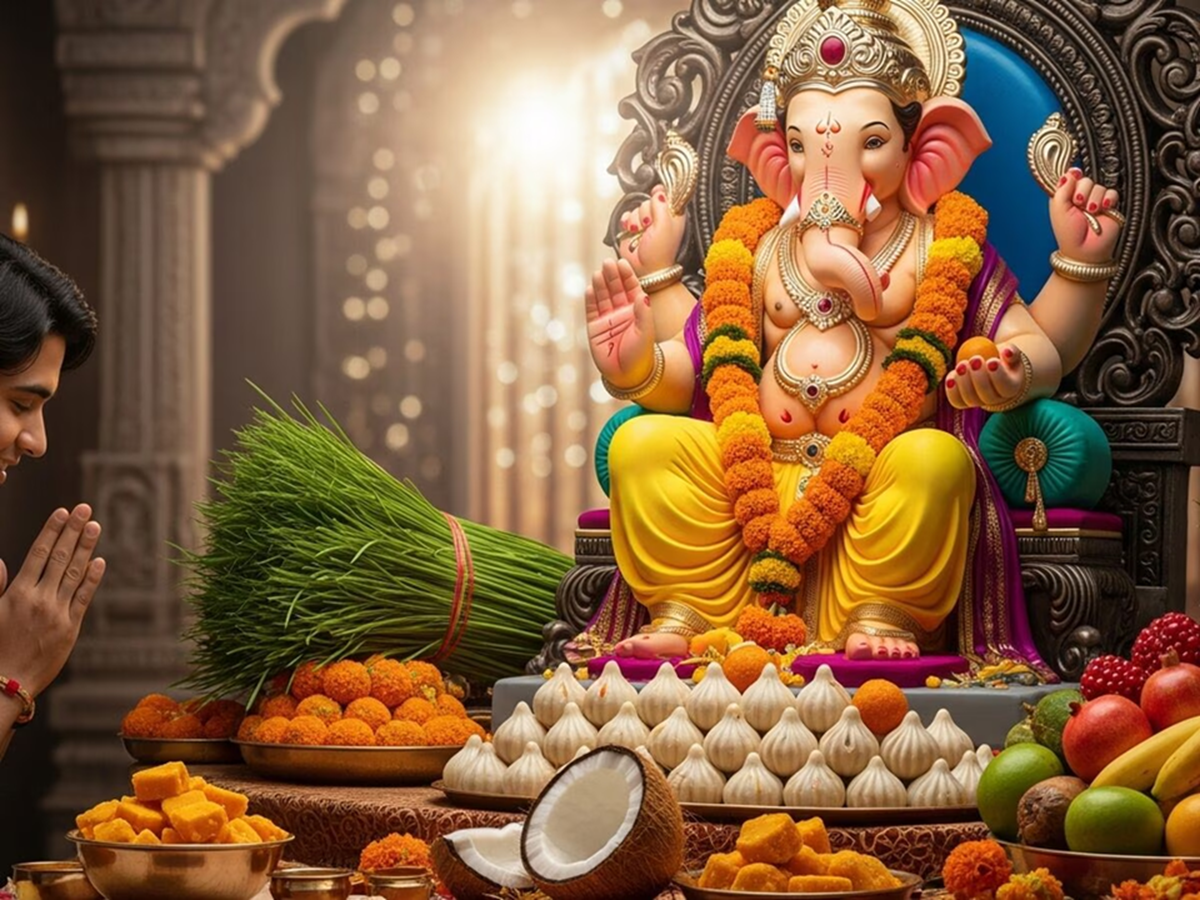
In the worship of Lord Ganesha, *Durva* grass holds special importance alongside sweets. It is believed that offering *Durva* grass with 21 blades (or knots) pleases Lord Ganesha. During the worship, *Durva* (sacred grass) should be washed with clean water and offered with devotion. Many people make it a point to offer *Durva* along with the *Bhog* (ritual food offering), as it is considered an essential part of the worship.
3. These fruits can also be offered as *Bhog*
If sweets are not available at home, fresh fruits can also be offered to Lord Ganesha. Offering bananas, guavas, pomegranates, apples, coconuts, and seasonal fruits is considered auspicious. The fruits should always be fresh and clean; stale or spoiled fruits should not be used in the worship.
4. Offering jaggery and coconut is also considered auspicious
In rural areas, many families still offer jaggery and coconut to Lord Ganesha. Jaggery is considered a symbol of simplicity and purity, while the coconut signifies auspiciousness; if sweets are unavailable for any reason, jaggery and coconut can also be offered with devotion.
Keep these points in mind during worship
1. Perform the ritual worship before offering *Bhog*
Before offering the *Bhog*, meditate on Lord Ganesha, light a lamp, offer flowers, and chant mantras. It is considered best to offer the *Bhog* only after these steps. One's mind should be calm and focused while making the offering.
2. Do not offer *Tamasic* food
According to religious beliefs, onion, garlic, non-vegetarian food, or any kind of *Tamasic* food (food that induces lethargy or ignorance) is not offered to Lord Ganesha. Only *Sattvic* (pure and wholesome) and fresh food should be offered.
3. Devotion is the greatest offering
Religious scholars believe that God looks at the devotee's sentiment rather than just the offering itself; if someone lacks the means to prepare elaborate dishes, they can offer jaggery, fruits, or simple sweets with a sincere heart. Faith, trust, and positive sentiment are considered the true foundation of worship. Therefore, worshipping Lord Ganesha with genuine devotion is considered far more important than mere outward display.
PC Social Media